Home Blog Page 137

Pav Bhaji-North Indian Chat

0
Spread the love

Pav Bhaji-North Indian Chat

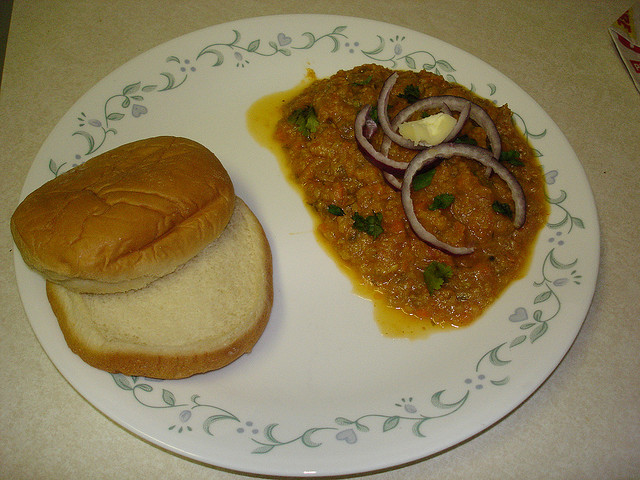
Everyone like this yummy pav bhaji- North Indian Chat taste and also addicted to this taste. Today, I share you how to make this pav bhaji-North Indian chat recipe, since this recipe tastes an excellent than that of the chat shops and preparation is simple also.

Pav is nothing but rectangle bun is available at all nearby groceries stores and healthy also as we prepare this in home hygienically.

What is needed:

  • Pav : 4 pieces
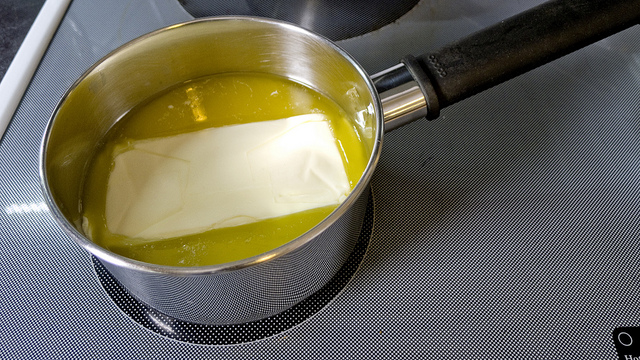
  • Melted Butter : 5 tbsp
  • Peas : 1 small cup
  • Carrot : 1
  • Potato : 1
  • Onion : 1
  • Tomato : 2
  • Ginger : a small piece
  • Garlic cloves : 5 pod
  • Turmeric pwd : ¼ tsp
  • Red chilly pwd : 1 tbsp
  • Chat masala pwd : ½ tbsp
  • Garam masala pwd : ½ tbsp
  • Fresh lemon juice : 1 tbsp
  • Salt to taste
  • Pav Bhaji - North Indian ChatCoriander leaves

Spices:

  • Cinnamon : 1
  • Cloves : 2
  • Elaichi : 1
  • Cardamom : 1

How to prepare:

  1. Peel the skin of carrot, potato, wash and cut it to small cube shaped pieces.
  2. Wash the green peas, cook them by adding little salt.
  3. Fry the spices in the dry pan, cool and grind to fine pwd.
  4. Heat butter in pan, add chopped onion pieces and sauté it until it turn pink colour.
  5. Add grated garlic and ginger and toss it.
  6. Add mashed tomato puree and allow to cook.
  7. Once it thickens, add turmeric powder, red chilly powder, chat masala powder and salt.
  8. Cover it and cook by adding little water.
  9. Add boiled vegetables and mix them.
  10. Add garam masala powder, combine, taste and see for salt.
  11. Heat oil in the small fry pan, add spices and wait to splutter.
  12. Add the spice powder to above masala, combine well.
  13. Remove from the flame, add fresh lemon juice and mix them.
  14. Take a non stick fry pan, or Dosa girdle add 1 tbsp butter and heat it.
  15. Toast Pav in butter in medium flame to golden.

Serve this Pav hot with yummy Bhaji masala.
Photo credit: rashmi1979 / Foter / CC BY-NC-SA

Moongdal Sundal

0
Spread the love

Moongdal Sundal

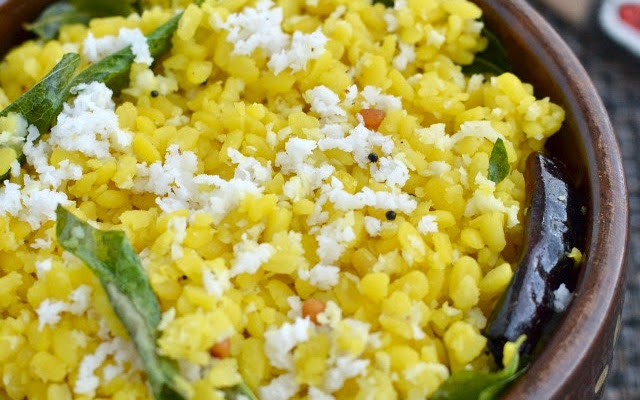
Today, I prepared Moongdal Sundal, which is very healthy & easy to prepare snack.

Unlike other varieties of lentils , moong dal gets cooked very easily, so no need to soak for long hours.

And Moongdal Sundalmakes an excellent snack for the kids as well as mid day snack for those who are on diet. It is a good source of high levels of protein and contain only very less fat calories.

Try this very delicious &.yummy moongdal sundal recipe, that tickles our taste buds and leave us craving for more.

Ingredients to prepare Moongdal Sundal:

  • Yellow Moong Dal (Pesarapappu) : ½ cup
  • Turmeric pwd : a pinch
  • Oil : 1 tsp
  • Mustard : ¼ tsp
  • Cumin : ¼ tsp
  • Split urad dal : ½ tsp
  • Green chilly : 1
  • Grated ginger : ½ tsp
  • Coconut shreds : 2 tbsp
  • Lemon juice : ½ tsp
  • Fresh curry & coriander leaves
  • Salt to taste

Methods to prepare Moongdal Sundal:

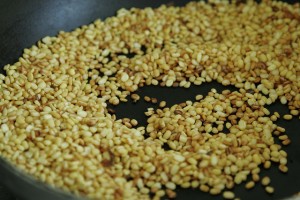
  1. Toss moong dal in the fry pan in low heat, till it changes to golden brown in color.Add 1 ½ cup of water, turmeric powder, salt and cook it.
  2. Keep the flame in medium and stir it once in a while.
  3. Take care moong dal does not get stick to the bottom of pan.
  4. If required add some more hot water to it and cook till moong dal is cooked soft.
  5. At same time, it is important not to overcook , as moong tends to get soggy.
  6. In a kadai, add oil and heat it.
  7. Season with the mustard, cumin , split urad dal and curry leaves.
  8. Moongdal SundalAdd chopped green chilly and ginger.
  9. Carefully mix all the ingredients and flavorings with a ladle. Too much handling might break the moong grains.
  10. Turn off the flame.
  11. Add fine coconut shreds and lemon juice.
  12. Combine gently.

Garnish with the freshly chopped coriander leaves. Enjoy the yummy & healthy taste of MoongDal Sundal.
Photo credit: kathrynlinge / Foter / CC BY-NC-SA

Fibre-rich baby potatoes healthy recipe with skin

0
Spread the love

Fibre-rich baby potatoes healthy recipe with skin

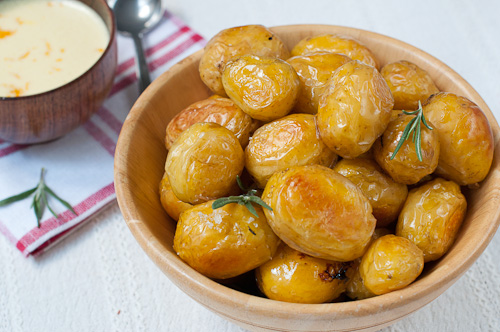
If potatoes make it onto the plate more frequently than carrots and broccoli then you should definitely give this dish a try. Fibre-rich baby potatoes healthy recipe with skin can be an excellent source of insoluble fibre that stimulate the digestion and promote regular bowel movement. The extra fibre obtained by consuming the vegetables skin can also prevent the blood sugar levels from rising. Fibre rich foods can also help you stave off the heart disease. These potatoes with the skin can be a classic appetiser or you can also have them as the side dish with roti. If you are fond of potatoes, you can also try this sookha aloo recipe.

Ingredients to prepare Fibre-rich baby potatoes healthy recipe with skin

  • Baby potatoes : 250 g
  • ajwain or fennel seeds : 1 tsp
  • jeera or cumin powder : ½ tsp
  • chilli powder : 1 tbsp
  • coriander powder : 1 tsp
  • amchur : ½ tsp
  • garam masala : ½ tsp
  • oil : 1½ tbsp
  • Salt to taste

Method to prepare Fibre-rich baby potatoes healthy recipe with skin

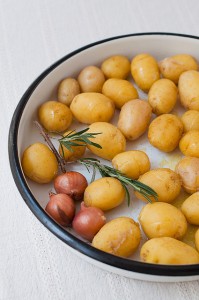
  1. Fibre-rich baby potatoes healthy recipeParboil baby potatoes and leave the skin on.
  2. Heat oil in the non-stick pan.
  3. Add ajwain and jeera and let it crackle.
  4. Add chili powder, coriander powder, amchur and salt.
  5. Also, add baby potatoes and sauté for 5 minutes.
  6. Cover and cook on a slow flame till the potatoes are cooked.
  7. Take care that they donot become soft and mushy.
  8. Serve hot.

Try this hot spicy baby potatoes recipe and enjoy its taste.
Photo credit: Кулинарно / Foter / CC BY-NC-SA

Health benefits of Beans

Spread the love

Health benefits of Beans

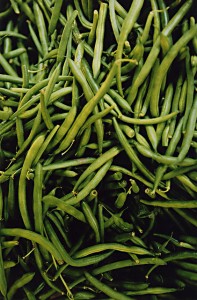
Beans an excellant source of Dietary Fiber, Vitamin A, Vitamin C, Vitamin K, Folate and Manganese.It is a healthy vegetable for everyone and its regular consumption protects the body from various diseases. See one by one health benefits of beans.

Beans are good source of dietary fiber.Helps to promote a healthy digestive tract,keeps heart healthy by lowering the blood cholesterol levels and also reduces the risk of some types of cancer.It acts as a bulk laxative and aids in preventing constipation and other bowel problems.

Beans are protien rich vegetables with a good amount of vitamins, minerals, and complex carbohydrates.Helps to regulate blood sugar level makes beans good for diabetics.

Beans being rich in complex carbohydrates provides energy to our muscles and brain.It fills our stomach easily and satify the appetite.

Beans contain good amounts of calcium, iron, magnesium and potassium.Responsible for bone health,body metabolism,control heart rate and blood pressure.It is also a good source of Thiamin, Riboflavin, Niacin,Phosphorus and Copper.

Health benefits of BeansBeans are good source of Vitamin K,Vitamin A,Vitamin B6 and Vitamin C.It helps the body maintain healthy vision,develop resistance against infectious agents and scavenge harmful oxygen-free radicals,reduces the risks of cancer,heart attack and strokes.

Beans contain Vitamin K which stimulates the process of blood coagulation and prevents excess loss of blood in case of injury.It enhances the absorption of calcium in the body and boost bone strength and density,together with manganese helps to prevent osteoporosis,aids in quick healing in case of wounds.

Beans contain flavonoids and carotenoids With strong anti-inflammatory properties.It helps in alleviating conditions like gout.

Beans being a good source of iron helps in treating anemia.Manganese helps in the absorption of other nutrients in the body.

Beans contains folic acid and molybdenum.Proteins,iron,folic acid everything together makes beans a healthy vegetable for everyone and especially for pregnant women.

Beans are low in calories,low in Sodium, and very low in Saturated Fat and Cholesterol.Diet food helps in weight management.

Beans contain Vitamin B2(Riboflavin) which stimulates growth and protects vision,acts in fats, proteins and carbohydrates metabolism,enhances Iron absorption,enhances Vitamin B6 and Folic Acid use.

Beans contains phosphorus which is a base component of bones.Thiamin, Riboflavin, Niacin,Phosphorus and Copper helps in fats,carbohydrates and proteins metabolism.

Thiamin in beans helps in sugars assimilation.
Photo credit: arbyreed / Foter / CC BY-NC-SA

Top 10 Health Benefits of Jackfruit

Spread the love

Top 10 Health Benefits of Jackfruit

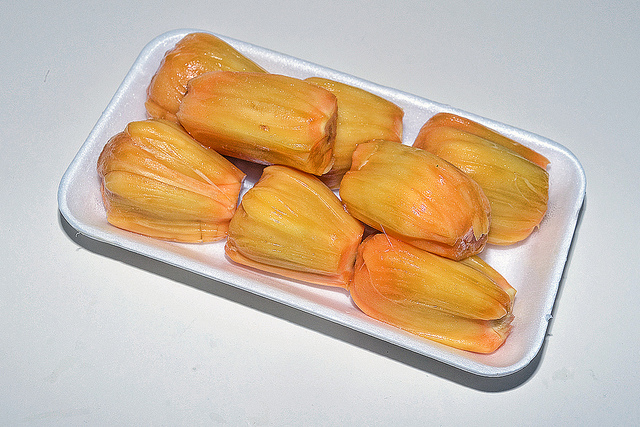
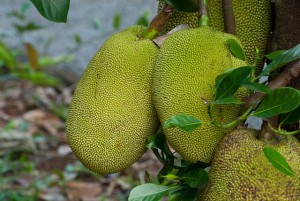
Jackfruit is very low in Saturated Fat, Cholesterol and Sodium. It is also a good source of Carbohydrates, Vitamin C, potassium, magnesium, and iron.

Top 10 Health Benefits of Jackfruit

1. Being rich in carbohydrates, fructose and sucrose, Jack fruits are energy boosters.

2. Jack fruit contain powerful anti-oxidant, Vitamin C which helps to heal cuts and wounds, keeps teeth and gums healthy. Play vital role in growth and repair of all body tissues. It is effective against respiratory health problems such as shortness of breath, asthma and cough. It helps to strengthen the immune system function by supporting the white blood cells function.

3. Potassium helps to maintain healthy blood pressure and reduces the risk of strokes.

4. Calcium and Magnesium in jackfruit protects and keeps our bones and teeth healthy.

5. Jackfruits have anti-cancer properties. The phytonutrients in jackfruit helps to eliminate the cancer-causing free radicals from the body.

6. The powerful antioxidants like Vitamin C and phytonutrients such as lignans, isoflavones and saponinsacts in jackfruit act as an anti-aging and helps the body to fight against the damage caused by the free radicals.

7. Jackfruits helps to cure ulcers and digestive disorders. The dietary fiber in jackfruit helps to prevent constipation and aids in smooth bowel movements.

8. Jackfruit being a source of iron, aids in treating anemia and also helps in proper blood circulation.

Top 10 Health Benefits of Jackfruit

9. Vitamin A in Jackfruit helps to maintain a healthy eye and skin.

10. Copper in Jackfruit plays a vital role in thyroid metabolism particularly in the production of hormone and absorption. It also aids in treating nervousness and tension.
Photo credit: chooyutshing / Foter / CC BY-NC-SA

The above are the Top 10 Health Benefits of Jackfruit

Simple Tips to Look Beautiful Without Makeup

Spread the love

Simple Tips to Look Beautiful Without Makeup

Makeup helps in beating the flaws in your skin but they cannot remove these flaws. Most of the women apply makeup to hide the flaws in their skin. If your skin is naturally beautiful you wouldnot require much makeup. In this review, I will be mentioning a few tips that can help you to look naturally beautiful.

Here are the Simple Tips to Look Beautiful without makeup

Drink Water:

Drink lots of water if you wish to have a moist and youthful skin. Water hydrates your skin and allows its cells to eliminate all the unwanted toxins or unhealthy substances and wastes. It also makes the skin lighter and softer.

Moisturize:

Use the good quality moisturizer that does not contains any harsh chemicals. Moisturizer keeps the skin lithe and it protects the skin from premature aging signs like wrinkles and fine lines. Apply your moisturizer on your face, neck, hands and also on your feet. These are the areas where the skin tends to get more loose as your grow older.

Utilize A Face Wash:

Rinse your face using a face wash in order to clean your skin. Skin attracts lots of dirt and dust that gets into its pores. This can cause issues like blackheads. Hence, it is important to cleanse your face with the help of a face wash. For more effect, wash your face twice in a day.

Use A Toner:

A toner helps in improving the facial appearance of the skin. It also makes the skin tighter and protects it from the wrinkles. It also helps you to wash off surplus oil secretions from your skin.

Use A Shampoo:

Shampoo your hair at least thrice in the week. This would make your hair look neat and clean. Oily hair can destroy the beauty of your face. It is very important to maintain your hair if you rinse to look naturally beautiful.

Use A Sunscreen:

Simple Tips to Look Beautiful without makeupDo not forget to use a sunscreen whenever you step out of the house. Make it a habit so that you would not forget about it. Sun rays can cause lot of damage to the skin and you cannot make it up with the help of makeup or any other form of skincare.

Lemon Juice:

Start the morning with a lemon juice instead of tea or coffee. Squeeze some lemon juice into a cup of hot water and have it daily in the morning. This would help your body in eliminating all the wastes and toxins. This would protect your skin from sensitivities. It would naturally make your skin glow.

Exfoliate:

Exfoliate your skin daily to remove dead and dry skin cells. This would help you to cleanse your skin naturally.
Photo credit: bradfordst219 / Foter / CC BY

Natural Seeds For Body Scrub

Spread the love

Natural Seeds For Body Scrub

The first step in skin care starts with cleansing and hence here we discuss some homemade cleansing products. We are making use of natural seeds for body scrubs as a scrub is essential to exfoliate the skin.

The basic benefit or natural seeds used for body scrubs is plain and simple; they are safe and sure. When we prepare our own Natural Seeds For Body Scrub we know what we are exactly going to be applying on our skin.

Sesame Seeds

Very nutty in taste and excellent for the skin. When you need that delicate skin texture and are looking for a good exfoliation then sesame is the product to go for. To two tablespoons of ground sesame seeds add half a teaspoon of turmeric add oil of your choice to the mixture. Mix well to get a paste like consistency.

Poppy Seeds

Be it the white poppy or the black one these small granular seeds are one of the best natural seeds used for body scrubs. Their small size makes them the perfect size to be added to the scrub and when used they give excellent exfoliation leaving behind a soft and smooth skin. Mix poppy seeds with sugar or salt, add enough oil to make a paste and apply.

Flaxseed

These small brown seeds are gaining popularity day by day. Their nutritional value is being hailed as one of the best ones for overall health. In the area of body scrubs also they are doing wonders. While they caress the skin on one hand they get rid of dead skin on the other. Mix ground flaxseeds with honey and add milk or water to make a paste.

Coffee Beans

 Natural Seeds For Body ScrubThe use of this natural product in body scrubs is becoming very popular. It is also believed that body scrubs containing coffee are a sure way to beat cellulite. Mix coffee granules with sugar and add coconut oil to make a thick paste. While the sugar and coffee do the scrubbing the coconut oil will moisturise the skin.

Sunflower Seeds

Sunflower seeds lend a gritty texture to a scrub making exfoliation very effective. To get a scrub which exfoliates, cleanses and moisturises mix ground sunflower seeds, oatmeal, honey and milk. Make sure to mix very well before application.

Photo credit: Giacomo Carena / Foter / CC BY-ND

5 white coloured foods to avoid during pregnancy

Spread the love

5 white coloured foods to avoid during pregnancy

During the time of pregnancy, it is very important to be attentive and cautious about the diet. Food has an enormous impact on the health of the expectant mother and developing fetus. So unmindful eating could be dangerous at this time. As it is healthy to gorge on the coloured fruits and vegetables during the pregnancy, white coloured foods can be of threat to maternal and fetal health. Here is the list of 5 white coloured foods to avoid during pregnancy that can be bad when consumed in excess.

Sugar:

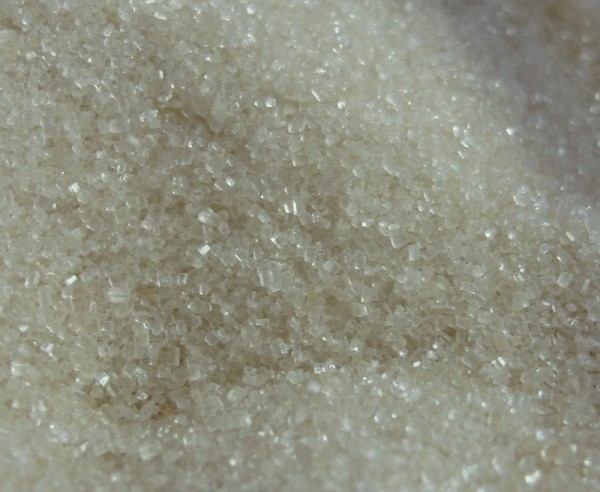
It breaks down into the glucose that provides you energy. But there is a limit to how much glucose your body can take and required. Overconsumption of sugar can lead to complications like gestational diabetes in mother. It can also put the baby at risk of developing facial abnormalities like a fissure palate or even improve the risk of neural tube defects, despite taking folic acid pills daily.

Unpasteurized milk:

Having the glass full of milk during pregnancy can help to increase your calcium intake. Al though, never sip on unpasteurized milk or raw milk during the pregnancy. The bacteria present in milk can lead to infection in mother that can affect fetus. If the bacteria cross placenta, it can hamper the neurological development.

White flour:

Many foods are prepared with the white flour – bread, biscuits, pasta, rotis, etc. Remember, gorging on them unmindfully will only add calories with the little nutritional value and contribute to weight gain process. Switch to brown bread or use red millet flour to make the chapattis or limit their intake at least.

White rice:

5 white coloured foods to avoid during pregnancyWhite rice has the high glycemic index, which means that body breaks it down quickly into sugar. This sugar is absorbed by cells of your body very fast, hence raising the blood sugar levels. As white rice is a good source of carbohydrates, it is not recommended for expectant mothers who are suffering from the gestational diabetes or have elevated blood sugar levels.

Salt:

Even though sodium from salt is essential for both mother and growing baby, high intake of the salt can give rise to conditions like edema, preeclampsia in mother and impair kidney development of the fetus. On the other hand, low sodium intake can lead to the altered fluid balance in the body leading to the mass of complications.

Photo credit: Source / CC BY-SA

6 reasons why experts recommend eating Ghee every day

Spread the love

6 reasons why experts recommend eating Ghee every day

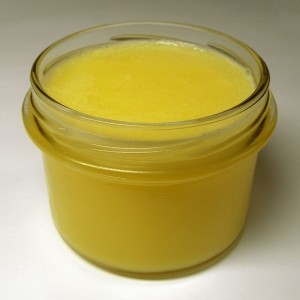
Ghee or clarified butter that was an essential part of the Indian cuisine has lost its sheen these days. Many ‘health-conscious’ people dismiss adding ghee to food as they believe it is an unhealthy practice. But in reality ghee is packed with myriad health benefits. Don’t believe it? Here’s are 6 reasons why experts recommend eating Ghee every day or how adding a dollop of ghee is good for your health.

Acts as brain tonic

According to the nutritionists, Ghee is good for nerves and brain. It contains the high levels of omega-6 fatty acids and omega-3 fatty acids, which is ideal for the overall health. Apart from this, decreased intake of these acids is connected with the increased risk of dementia and Alzheimer’s. Therefore, make it habit to comprise ghee in the diet frequently as it can help to brain function better.

Prevents cancer

Eve though ghee is high in saturated fats, it is ideal for cooking Indian food because it has the high smoke point i.e., it does not burn very easily. This means, it generates the less free radicals when heated, which are known to increase the risk of cancer. It is also rich in antioxidants that in turn protect you from free radical damage.

Aids digestion

Ghee helps in the secretion of stomach acids that aid digestion,’ says Neha. Celebrity nutritionist Rujuta Diwekar in her series Indian Food Wisdom and the Art of Eating Right highlights the fact that certain foods such as khichdi, puran poli, etc. need to have ghee to help us digest them better. You can also try these yoga poses to improve digestion.

Used as the natural moisturiser

Ghee is good beauty enhancer as well. If you have chapped lips, apply a drop of the ghee on them before you sleep. In Ayurveda, ghee is used as the moisturising agent by mixing it with water and inspiring it. The process is repeated several times before ghee can be used. And once made, you can store it for up to 6 months to use it frequently.

Melts the stubborn fat

If you have problem areas where fat gets build up quickly, consider adding ghee to the diet. ‘Ghee has necessary amino acids that help to mobilise the fat and allow the fat cells to shrink in size.

Apart from the above benefits, ghee is good for people suffering from the joint pain. It also improves your memory and vision power. As ghee has powerful antiviral and antifungal properties, it reinforce the immune system.

How much is too much?

Ghee is considered to be unhealthy because people do not know how much is too much. Even though it has several benefits, eating unhealthy amounts will only lead to the problems. Learn to draw the line at 2 teaspoons of ghee per day. Also, remember that it is rich in saturated fat and eating too much can enhance your cholesterol levels, affecting the heart .

Who should avoid it?

6 reasons why experts recommend eating Ghee every dayAl though it has numerous health benefits, people with the heart disease, the high blood cholesterol, diabetes and obesity should avoid or get rid of the intake of ghee to prevent further health complications.

Now that you know various benefits of ghee, don’t shy away from spreading a spoonful on your rotis or adding a dollop of it on your dal-chawal.

Photo credit: ljguitar / Source / CC BY

Symptoms of Iron Deficiency-Anemia

Spread the love

Do you experience severe tiredness? Do you suffer from the headaches? You might be showing signs of anemia. Even Though anemia shows the mild symptoms, it can lead to life-threatening diseases like the heart problems. Anemia can also lead to death. To treat the anemia, one should know its symptoms. First What are the symptoms of anemia? Read on these Symptoms of Iron Deficiency-Anemia

Symptoms of Iron Deficiency

Anemia is the condition wherein person has fewer red blood cells. Red blood cells are very important in the body as they carry oxygen to the cells.

Types of Anemia

Different types of anemia are as follows

Iron deficiency Anemia

This occurs when there is lack of iron content in the body. This can occur because of an ulcer, cancer etc.

Vitamin deficiency Anemia

When there is lack of Vitamin-B12, the person can get vitamin deficiency anemia.

Hemolytic Anemia

When the red blood cells are collapsed at a rate faster than the rate of producing at, it leads to hemolytic anemia.

Sickle cell Anemia

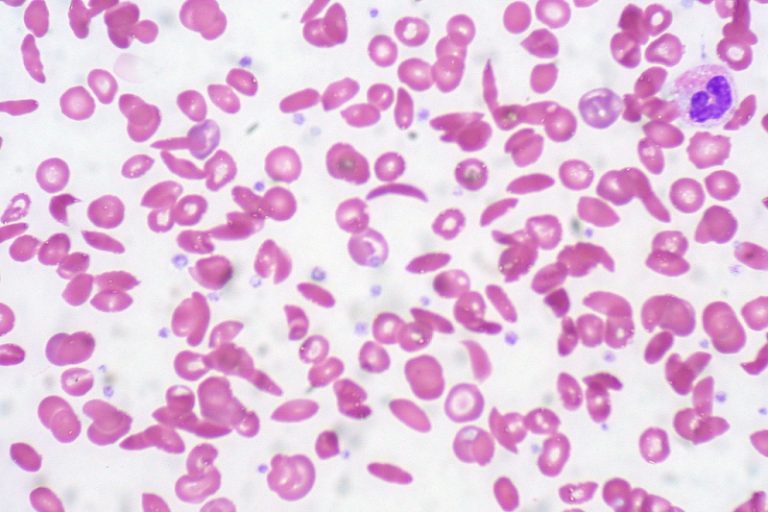
When the body produces irregular sickle-shaped red blood cells, it leads to the sickle cell anemia.

Symptoms of Anemia

  1. Extreme tiredness
  2. Pale skin
  3. Poor concentration
  4. Weakness
  5. Irregular heartbeats
  6. Chest pain
  7. Cold hands and feet
  8. Headache
  9. Shortness of breath
  10. Dizziness
  11. Ulcers
  12. Jaundice
  13. Bone deformities
  14. strange cravings for non-food items, such as dirt, ice, and clay.
  15. tingling or a crawling feeling in the legs.
  16. swelling or soreness in the tongue.
  17. causes of anemia
  18. The body does not produce sufficient red blood cells
  19. The body destroys the red blood cells
  20. Bleeding

The factors that increase the risk of anemia are as follows:

Vitamin deficiency

When a person consumes a diet that is low in iron or vitamin-B12, he can get anemia.

Menstrual cycles

When a woman does not reach menopause, she would continue having her menstrual cycles. This will lead to loss of the red blood cells. This can result in anemia.

Intestinal problems

People suffering from celiac disease have a high risk of developing anemia. Also surgeries that involve removal of parts of small intestine can lead to anemia.

Pregnancy

When a woman is pregnant, the iron should be enough for her increased blood volume and for her growing baby. This can also lead to the anemia.

Chronic conditions

When a person suffers from the cancer, kidney or liver failure he can have anemia. A person may experience the blood loss from an ulcer; this can also lead to anemia.

Family history

A person has a high risk of anemia, when his family members are suffering from the sickle cell anemia.

A person will have a high risk of developing anemia when he has auto immune diseases or when he consumes alcohol.

What happens when anemia is ignored?

Anemia can lead to severe problems. The severe problems are as follows:

Extreme tiredness:

Anemia can cause severe tiredness. Due to this severe tiredness, the person might not be able to carry on his daily activities.

Heart diseases:

A person suffering from anemia can suffer from irregular heartbeats. This can result in congestive heart failure.

Death:

People with sickle cell anemia should be very mindful. It can lead to life-threatening conditions like severe anemia. This can even lead to death.

Anemia can lead to death. Therefore don’t delay if you have anemia, consult a hematologist.

Photo credit: euthman / Patio Furniture / CC BY

Unique Health Benefits Of Sunflower Seeds

Spread the love

Unique Health Benefits Of Sunflower Seeds

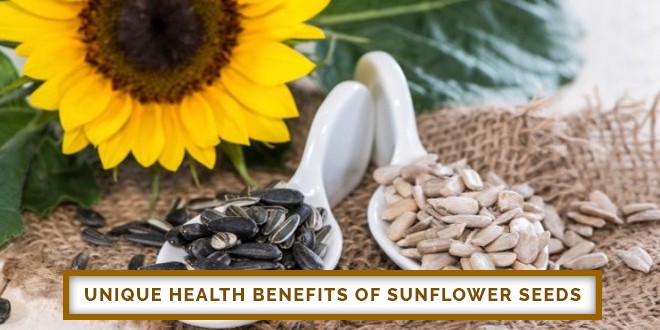
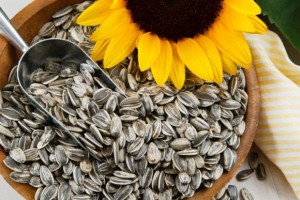
Sunflower seeds have obtained from sunflower that are highly nutritious and health promoting snack Sunflower seeds are healthy food options one should include in their diet. It is an excellent source of vitamin E that neutralizes the free radicals in your body. The anti-inflammatory property of these seeds lessen the symptoms of asthma and arthritis. Unique Health Benefits Of Sunflower Seeds

Vitamin E present in it reduces the risk of colon cancer & diabetes. It improves male fertility, decreases hypertension, increases digestion and prevents eye damage. Do you want more reasons to add these seeds to your diet? Then go ahead & read this Unique Health Benefits Of Sunflower Seeds.

Prevents Cancer

Sunflower seeds have packed with Vitamin E, Selenium and Copper, which are antioxidant in nature. These antioxidants prevent cellular damage that leads to cancer.

Good For Bones

Sunflower seeds are best sources of the Magnesium, which is essential for strong bones, plus Calcium.

Eases Stress

The Magnesium present in the sunflower seeds soothe the nerves, relieves stress & migraines.

Lowers Cholesterol

The good fat in sunflower seeds lowers the cholesterol. The high fiber content in it also helps in weight loss.

Unique Health Benefits Of Sunflower Seeds

Cardiovascular Health

The vitamin C present in the sunflower seeds prevents cardiovascular diseases. It neutralizes free radicals & prevents heart attacks and strokes.

Mental Health

Sunflower seeds reduce depression. The serotonin present in it relieves tension and boosts relaxation.

Aids In Digestion

Sunflower seeds enhance digestion and bowel movement; helps to get rid of constipation.

The above are the Unique Health Benefits Of Sunflower Seeds.

3 major Indian skin problems and how to treat them

Spread the love

Three major Indian skin problems and how to treat them

We frequently choice to creams and lotions over a counter to fight our skin problems, but what we do not know is that what works for others might not work for us. It is a common misunderstanding that Indian skin is same as Western skin. This false impression frequently results in inaccurate management and treatment. In fact, due to lack of awareness & research, most therapies are designed for the Western skin, without any acknowledgement of requirements of an Indian population. Read below to understand 3 major Indian skin problems, why Indian skin is different and how to manage it.

Indian skin suffers from some of most severe environmental aggressors in the world. These invaders include pollution, UV light and excess heat.

Pollution

India has some of most polluted cities in the world. Pollution can increase the risk of contact allergy or allergic rash caused by some ingredient or allergen. It also can increase the possibility of eczema. Pollution also erodes the protective ozone layer in an atmosphere. This reduction of ozone allows more UV light to penetrate through to Earth, causing increased exposure to sun’s rays.

Managing the Pollution Problem

Unfortunately, as you cannot reduce an amount of pollution around you immediately, you can do your best to reduce other allergens you are exposed to. First of all, try to use products that are hypoallergenic. This means that ingredients have been analysed by the dermatologist and have been found to have a lower risk of allergy.

Second, try to reduce the number of products, fragrances and makeup items you use. The more you expose yourself to new ingredients, the higher the risk of irritation or allergy.

Third, always make sure you moisturise. Properly hydrating skin makes sure that the epidermal barrier is strengthened. This strong epidermis creates a wall between you and an external pollutant, making your skin better able to endure common environmental toxins.

Finally, reduce your carbon footprint. Try to walk or bike instead of using a car, and look for environmentally responsible options to make the world better for everyone in the future.

UV Light

India is close to an equator, making it more susceptible to rays of the sun. This sunlight can cause an increase in pigmentation disorders and even ageing. In fact, the occurrence of melasma a condition where patches of dark pigment occur on the face in India is higher than in Western countries. Furthermore, UV light can also cause skin allergy as it can be an allergen in variable amounts. Finally, UV exposure is the known cause of skin growth, making it a danger to be aware of.

3 major Indian skin problems and how to treat themManaging the UV Light Problem

Protect yourself from the sun. One should avoid exposure to the sun, especially when it is at its harshest, i.e., between 10 AM to 3 PM. If you cannot avoid it, cover exposed areas.

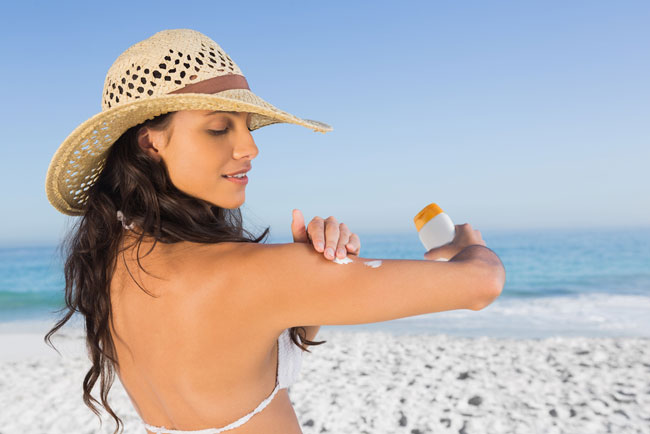
Unfortunately, it is impossible to entirely avoid the sun as UV light also penetrates through the windows. So wearing sun block or sunscreen is vital. Always apply it thirty minutes before sun exposure and remember to reapply every four hours so that its effect does not wear off. Also, look for both UVA and UVB protection. UVA protection is frequently denoted by a + grade, with levels between + to ++++, with ++ recommended as enough for Indian skin. UVB protection is shown with an SPF factor, with Indian skin requiring an SPF of approximately 30.

Heat

We, Indians, are exposed to high temperatures due to geographic factors. This eminent level of heat can because of many different skin diseases. First of all, excess sweat and its ultimate occlusion with the clothes can cause heat rash, a common phenomenon in India. Another reason you should consider wearing cotton clothes during an exercise. This rash is caused by heat but is worsened by the bacteria so it requires antibacterial treatment. Furthermore, folliculitis, or an infection of a hair follicle, can also occur. Finally, heat and sweat can also predispose one to fungal skin infections, requiring immediate anti-fungal treatment.

Managing the Heat Problem

Try to keep yourself dry as much as possible. You can use powder to wick away excess moisture, and also remember to use an antiperspirant. This will help you to prevent excess sweat from pooling. Furthermore, try and use a body wash that is antiseptic. You can look for ingredients such as triclosan in a cleanser that will act against the bacteria that causes both folliculitis & heat rash. Finally, look for products that are non-greasy and are non-comedogenic. Non-comedogenic products are those that have been found to be without ingredients that obstruct hair follicles.

Summing it up, Indian skin has its own needs that should always be recognised and managed. And, if you suffer from any rash or problem, do not neglect it. Consult a good dermatologist for specialised care.

5 Signs that You Must Visit A Dermatologist

Spread the love

5 Signs that You Must Visit A Dermatologist

Early recognition is the best thing that we can do to treat any disease in its beginning stage. This would make curing process easy and fast. These are a few of reasons why you must visit the dermatologist before things go bad.

Here we may discuss some reasons why you should visit the dermatologist.

Discolouration

Dark or light, discolouration is one of the signs that you must visit a dermatologist. This will help in identifying cancerous spots at the very early stage. Sometimes there will be nothing wrong and some cream will solve the problems. But if the dermatologists feels otherwise, you would be advised to do some tests to confirm.

Itching

If you have itching that lasts for more than 7 days, you should make the doctor appointment. This will also mean that itch is turning out to be red and not healing well. This is another reason why you must visit a dermatologist. There can be many reasons for this like allergic reactions to medications or food.

Abnormal Acne

Acnes and its are common problems in the 20’s and the 30’s. But after this age when you get acne, it is not a good sign and you will require to take suitable measures. There are many reasons for this, ranging from hormonal imbalance to side effects of the medications. So you will require to consider these as signs that you must visit the dermatologist.

Sensitivity To The Sun

 signs that you must visit a dermatologistThere is a condition, when your skin is extra sensitive to the skin. This is escorted with muscle aches and exhaustion. These combinations of symptoms are not a good sign and you should consider these as signs that you must visit a dermatologist. The doctors might suggest for biopsy and blood work. As these can be symptoms of lupus which required to be treated carefully.
Brown Patches

Brown Patches also called as Melasma, If you find brown patches on the skin that are not responding to topic creams, visit a dermatologist. These are more like tan patches which are concentrated on forehead and upper lip. These are very common conditions for women who take hormonal birth control. There are different treatments for this like bleaching agents, chemical peels and laser treatments.

Photo credit : http://www.skincarebeautyzone.com/wp-content/uploads/2011/12/Rare-Skin-Diseases.jpg

Top 10 effective Home Remedies for Sunburn

Spread the love

Sunburn has caused by the sun’s UV rays. Too much exposure to ultraviolet rays can harm your skin, giving it red also painful. In this post,  explained regarding some of the effective Home Remedies for Sunburn.

The external layer of skin on the human body is called the epidermis. The peripheral cells of the skin, the cells you view plus feel on your arm, for ex: are dead. But only below the dead cells is the layer of living cells. These living cells continuously generate new dead cells to renew your skin.

Home Remedies for Sunburn

The symptoms can not occur quickly; it can take up to 5 hours for sunburn to look. If not treated appropriate, the trauma can lead to the blistering or peel skin. Sunburn also increases the risk of evolving melanoma, the deadly form of the skin cancer. So follow some sunburn remedies to treat which work great.

Though, if you are suffering from the sunburn, you can undertake some of the home remedies for sunburn that can relieve the stinging skin and lessen inflammation.

Natural remedies for sunburn

1. Aloe vera

Aloe vera is an excellent ancient remedy for sunburn. It gives the cooling effect on your skin, but I have noticed that the plant serves better than the sunburn gel or lotion. If you apply its gel, look for the high-quality one without chemicals. You will get good results.

2. Apple cider vinegar

It is the most efficient home remedy if you try for the pain of sunburn. Apple cider vinegar (diluted) has reflected an effective treatment for sunburn, but it is more efficient when mixed with the high tea of calming herbs.

How to make it?

  • Boil one cup of water & add two Tbsp of lavender flowers, dried mint leaf, & dried plantain leaf.
  • Transfer from heat and allow it cool. Once cool, strain out the herbs.
  • Now Join an equal amount of ACV to the cooled tea mixture & pour into the spray bottle.
  • Spray on the burn as frequently as required to calm & relieve the pain.

3. Essential Oils

Essential oils like Lavender & helichrysum can also assist calm the burn and speed healing. Mix them in the bottle of the water bottle & spritz on the skin as required.

home remedies for sunburn4. Coconut Oil

Many of them use coconut oil as the mild sunscreen. Also, coconut oil Have SPF ranging from 5-10 SPF. It is not robust enough to apply alone for all-day sun disclose but is an excellent everyday choice for the mild sun protection & skin health. Many people also affirm by it for healing with sunburn. Use it for few days after that & it appears to aid stop peeling and lessen the redness more instantly.

5. Baking Soda

Baking soda can be very calming on the sunburned skin because of its alkaline nature. Also, it has antiseptic features that will ease the itchy sensation connected with sunburn.

How to make it?

  1. Mix four tbsp of baking soda with sufficient water to make a fine paste.
  2. Apply this paste directly on the affected skin using the cotton ball.
  3. Allow it on for about ten minutes and then clean it off with lukewarm water.
  4. Follow this natural remedy once or twice per day for various days depending on the rigor of the condition.

6. Oatmeal

Oatmeal can also assist treat sunburned skin. It has soothing, and calming properties that support the skin preserve its natural moisture & lessen irritation.

How to make it?

  • Cook oatmeal with enough water till it has the runny consistency.
  • Leave it cool fully and then apply it smoothly to the damaged skin.
  • Do not rub the oatmeal on the skin. Let it on the skin for about half an hour and then clean it off with lukewarm water.
  • Follow this home remedy two or three times per day as required.

7. Black Tea

Black tea has packed with antioxidants that are very helpful for treating irritated & sunburned skin. Tea has tannins that serve preserve the skin from ultraviolet radiation damage & lessen inflammation. It also helps in reviving the skin’s pH balance.

8. Milk

The protein, fat, & pH in milk have the soothing, anti-inflammatory effect on the skin that can give you relief from several symptoms of sunburn. The cold temperature will compress the blood vessels and lessen swelling, during the milk will produce a protein film that supports ease the pain.

9. Honey

Honey acts as the natural antibiotic & benefits trap moisture in the skin; that has required for treating sunburn. Additionally, an enzyme present in honey promotes to repair infected skin. Honey also decreases inflammation & swelling connected with sunburn.

Eat one tbsp of honey with the glass of the lukewarm water three times a day to enhance the immune system & speed up healing. In case, you can have honey on the regular basis to have good health & also glowing skin.

10. Potatoes

Raw potato is great for relieving the sunburn as the natural sugars found in potatoes will aid draw heat out of the skin.

Disclaimer:

All these natural sunburn remedies are suitable for treating minor sunburn which is causing the skin to be red or irritated. In cases of critical sunburn that hold blistered or broken skin, you require trying some other helpful treatments for severe sunburn.

How to Protect yourselves from Cervical Cancer

Spread the love

Cervical cancer is the most common cancer and also the leading cause of cancer mortality in women, both in India and abroad. It occurs in the lower part of the uterus, which is called as cervix. Overgrowth of abnormal cells in the cervix leads to cervical cancer. It is caused by a virus known as Human Papilloma Virus (HPV). Not all HPV infections cause cervical cancer, some cause genital warts while some others show no symptoms at all. Most HPV infections resolve on their own, but sometimes they cause genital warts or lead to cervical cancer. How to Protect yourselves from Cervical Cancer

How to Protect yourselves from Cervical Cancer

How to Protect yourselves from Cervical Cancer

Regardless of age, all women are at a risk of developing Cervical cancer. It can be successfully treated if the infection is found in the early stages through a PAP test. A normal biopsy or cone biopsy is done to diagnose cervical cancer. The survival rate is 93% if the condition is diagnosed in the early stages.

Read on to know how to protect yourselves from cervical cancer

Know the Symptoms of Cervical Cancer-

  • Abnormal bleeding from vagina between menstrual periods or after sexual intercourse or after menopause
  • Pain during sexual intercourse
  • Abnormal vaginal discharge
  • Pain in pelvis/lower belly.

The Risk of developing cervical cancer increases in the following cases-

  • Early marriage
  • Smokers
  • Usage of hormonal contraceptives
  • High number of pregnancies

Cervical cancer screening tests-

  1. PAP smear – This test can find any changes occurring in cervical cells before they can progress to cancerous stage.
  2. HPV DNA Test – It gives a highly sensitive and specific detection of HPV infection. This can be done both as a primary screening or in combination with PAP.
  3. FISH analysis – This test helps to find out the chromosomal aberrations in the genetic material. It is a standard test to look for abnormal cells.
  • If you fall under 21-30 yrs age group, you should have PAP tests once in every 3 years
  • If you fall under 30-65 yrs age group, you should have a combination of HPV and PAP test once in every 5 years
  • If you are above 65 yrs, you do not need any PAP tests if you had 2 HPV+ PAP tests with normal results in a row

Screening tests are highly recommended for women who-

  • Are above 35 years of age
  • Have HPV infection
  • Are married for more than 8 years
  • Have an abnormal PAP smear

Stages of Cervical Cancer

  • Stage 0 – Cancer cells will be found only on surface of cervix
  • Stage 1 – Cancer spreads but not beyond cervix
  • Stage 2 – Tumor spreads to upper area of vagina
  • Stage 3 – Tumor spreads to lower part of vagina and starts to block urine
  • Stage 4 – Tumor spreads to bladder/rectum and also forms new tumors in other parts of the body

Cervical Cancer Treatment-

Treatment of cervical cancer varies according to the stage the individual is in. The affected person may need to undergo one or more treatments or a combination of the following treatments.

  • Surgery- This involves surgical removal of uterus (hysterectomy) and removal of pelvic lymph nodes with or without removing ovaries and fallopian tubes. This can be avoided if cancer is found early.
  • Chemotherapy – This involves using medications to kill cancerous cells. It is used to treat advanced stages of cervix cancer.
  • Radiation therapy – This involves exposure to high dose X-rays or implants in vaginal cavity to kill cancerous cells. It is mostly used in combination with surgery.
  • Chemoradiation This involves the use of both chemotherapy and radiation to treat both early as well as late stages of cervical cancer.

It is very important for women to get themselves checked regularly for the presence of cervical cancer. Getting tested in the above recommended time intervals can help to detect the disease at an early stage and thereby prevent cervical cancer. HPV vaccination is also highly recommended to avoid HPV infections, which can cause cervical cancer.

The above article is about How to protect yourselves from cervical cancer.

How to Control Acid Reflux and Get Rid of Heartburn

Spread the love

How to Control Acid Reflux and Get Rid of Heartburn

Heartburn is caused when stomach acid backs up (acid reflux) into the esophagus, which carries food from your mouth to your stomach. The esophagus does not have a protective lining unlike the stomach to prevent inflammation caused by stomach acid and hence results in heartburn.

If you suffer from heartburn more than 2 times a week, it is very likely that you have GERD (Gastro Intestinal Reflux Disorder) too. It is very important to get proper treatment to control this condition because over time reflux can damage esophagus and can also lead to cancer.

How to Control Acid Reflux and Get Rid of Heartburn

In most of the early cases over the counter medications can help, but if the heartburn continues it is better to go for prescription medications or in worst cases, a surgery.

There are many tips you can follow and precautions you can take to avoid acid reflux and thereby avoid heartburn. Listed below are the common causes of heartburn and some suggestions on how to control acid reflux and get rid of heartburn

How to Control Acid Reflux and Get Rid of Heartburn

Common causes of heartburn

  1. Certain foods and medications you consume can lead to increased secretion of stomach acid which leads to heartburn. Avoid or limit the following things to curb heartburn
  • Chocolate
  • High fat foods
  • Carbonated beverages
  • Alcohol
  • Caffeine
  • Acidic foods like oranges, grapefruit,pineapple and tomatoes
  • Medications like ibuprofen, aspirin, Naproxen etc.

2. Smoking

3. Pregnancy – Increased pressure within the abdominal cavity during pregnancy can cause heartburn

4. Obesity – Even being overweight can increase the pressure in the abdomen resulting in acid reflux

5. Medical conditions of esophagus like Scleroderma and Sarcoidosis

Symptoms of Heartburn

  1. Pain and burning sensation behind sternum or breastbone
  2. Water Brash or sour taste in the back of the throat
  3. Coughing or hoarseness
  4. Difficulty to sleep after heavy meal
  5. In severe cases, tooth decay

Complications of Heartburn

  1. Ulcers
  2. Esophageal cancer
  3. Scarring and stricture
  4. Barrett’s esophagus

Lifestyle changes to curb heartburn

  1. Do not sleep as soon as you have your meal
  2. Have smaller portions of meal
  3. Avoid all foods that trigger heartburn
  4. Avoid smoking
  5. Use a good pillow which can keep your head elevated and thus curbs acid reflux
  6. If you are overweight, exercise to lose weight which in turn decreases the symptoms of heartburn

Foods that can help heartburn

  • Herbal tea
  • Include fiber containing foods
  • Have dry foods
  • Include raw garlic in your diet

Tips for relief from nighttime heartburn

  • Limit acidic and spicy foods at night
  • Eat 2-3 hours before bedtime
  • Consume lean meats and avoid greasy foods
  • Avoid having carbonated beverages and snacks at bedtime
  • Wear loose clothes
  • Chew gum after dinner to neutralize stomach acids

Unattended heartburn can lead to serious conditions like esophageal cancer. Take proper care if you are suffering from heartburn to avoid other serious manifestations of the disease. Eat healthy to live healthy!

World Malaria Day – April 25

Spread the love

World Malaria Day is organized to highlight the need of controlling and preventing it. It was introduced by WHO in the year 2007.

Malaria is caused by plasmodium parasites which are spread through mosquito bites. It is highly prevalent in Africa where a child dies every minute due to it. Malaria is also prevalent in India, especially in the southern areas . Statistics show that around 6.2 lakh deaths occurred due to malaria,in the year 2012.

World Malaria Day – April 25

world malaria day

[ ATTRIBUTE: Please check: http://www.flickr.com/photos/9339998@N07/6966718198 to find out how to attribute this image ]

Read on to know more about malaria and how to protect yourselves from it. World Malaria Day – April 25

What all parasites cause malaria in humans –

  • Plasmodium falciparum
  • Plasmodium vivax
  • Plasmodium malariae
  • Plasmodium ovale.

Symptoms of Malaria-

  • Fever
  • Headache
  • Chills
  • Vomiting

Severe malaria can lead to –

  • Severe Anemia
  • Respiratory Distress
  • Cerebral Malaria
  • Asymptomatic Infections
  • Death

Other Complications of Malaria Include –

  • Kidney and liver failure
  • Hemolytic Anemia
  • Meningitis
  • Pulmonary Edema
  • Hemorrhage

Diagnosis of it.

Early diagnosis of malaria is essential to prevent complications, disease transmission and death. Malaria is diagnosed by the following methods –

  • Microscopic Examination of Blood
  • Antigen Tests
  • Molecular Methods
  • Liver Function Test
  • Complete Blood Profile

Treatment of it.

As it can be a medical emergency, it might require hospital stay. Common treatment methods include the following –

  • Artemisinin-based combination therapy (ACT)
  • Chloroquine Treatment
  • IV fluids and respiratory also might be needed in some cases

If the malarial infection is found to be Chloroquine resistant, the following medications are used to treat the condition –

  • Mefloquine Treatment
  • Combination of pyrimethamine and sulfadoxine etc
  • Combination of quinidine, doxycycline, tetracycline

How to Prevent it.

As there is no vaccine available for Malaria yet, the first line of defense is mosquito control. Adopt ways to protecting yourselves from mosquito bites and prevent mosquitoes from breeding.

It is very important for us to implement malaria control strategies to control this deadly disease.

Read our Previous Article World Health Day – Preventing Vector Borne Diseases. 

The above article is about World Malaria Day

What is Gouty Arthritis?

Spread the love

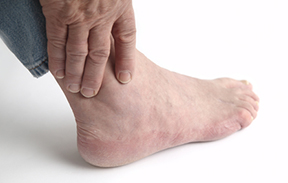
Gouty arthritis or Gout is the result of the disposition of uric acid crystals on the joints because of high levels of uric acid in the blood. It causes extreme pain and warmth over the joints area when the crystals become deposited in the soft tissues surrounding the joint. The pain could be felt on the toes and knees. The pain is often intense for the first three days and then it will subside after five or seven days.

What is Gouty Arthritis

The pain must be immediately attended to because if the inflammation becomes severe, the gout can cause damage on the affected joints. Worse, there is a tendency that the deposited crystals may damage the kidneys due to the formation of uric acid stones.

Most often than not, gout is due to slow excretion. Thus, dietary restrictions are advised to avoid suffering from gout.

Medical research has shown that males are more prone to gout than females. It is thus advised that they refrain from eating foods with high protein content like meat and internal organs of animals and in drinking alcoholic drinks. On the other hand, moderate consumption should be made when it comes to peanuts and beans. String beans and tomatoes should also be avoided.

What foods should be eaten? – Gouty Arthritis

The following foods do not trigger gout:

  • Cheese
  • Breads
  • Cereals
  • Fruits
  • Gelatin
  • Milk
  • Sugar and syrups
  • Tea
  • Vegetables

What foods should be avoided? – Gouty Arthritis

These foods should not be eaten to avoid suffering from gout:

  • Meat extracts
  • Sardines
  • Sweet breads
  • Yeast
  • Gravies
  • Anchovies
  • Mackerel

What foods should be taken in moderation? -Gouty Arthritis

Use these foods in moderation:

  • Butter
  • Margarine
  • Beverages
  • Fats
  • Fish
  • Poultry products
  • Oatmeal
  • Seafoods

Nothing beats maintaining a healthy lifestyle. We have to take care of our health as we age. After all, health is wealth.

The above are the details about What is Gouty Arthritis?