Home Blog

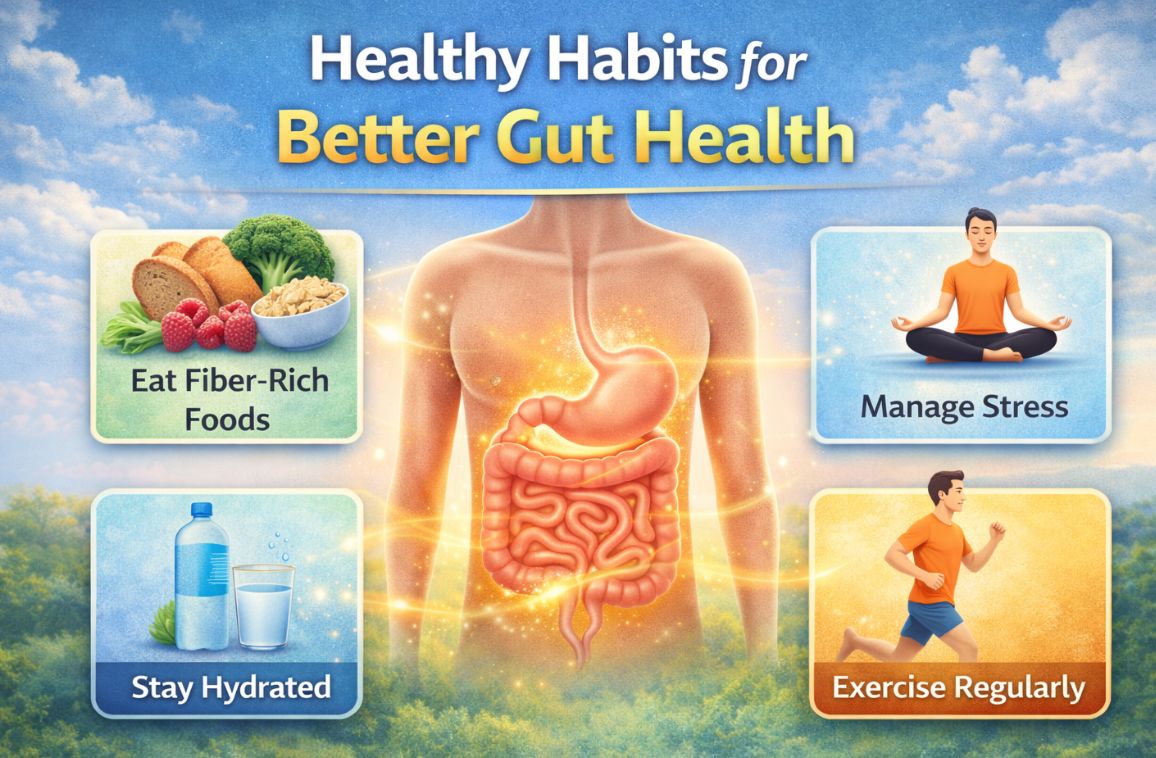
Healthy Habits for Better Gut Health

Spread the love

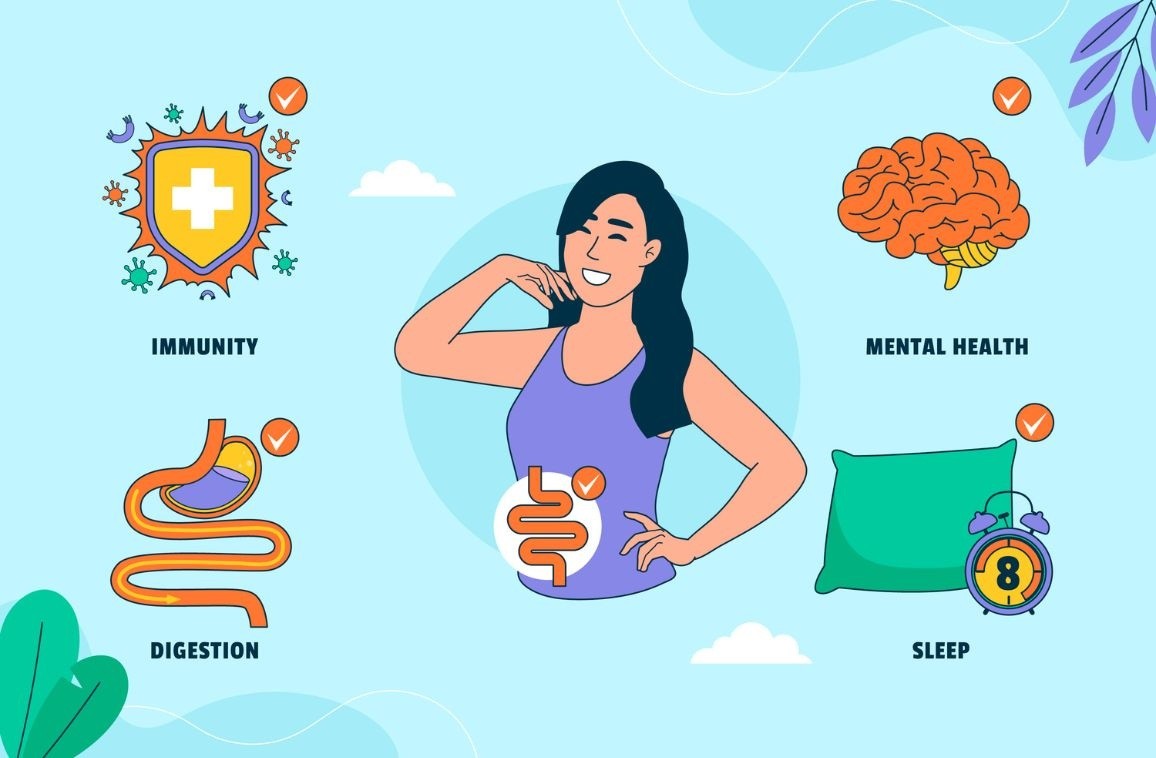
Gut health plays a crucial role in overall well-being, influencing digestion, immunity, energy levels, and even mental health. A healthy gut supports nutrient absorption, protects against harmful bacteria, and maintains balance in the digestive system. Poor gut health can lead to bloating, constipation, fatigue, and weakened immunity. By adopting simple daily habits, you can improve your digestive health and enjoy a more active and healthier life. Below are clear and practical habits that support better gut health naturally.

1. Eat a Fiber-Rich, Balanced Diet

A balanced diet is the foundation of good gut health. Fiber feeds the good bacteria in your intestines and helps maintain regular bowel movements. Include whole grains, fruits, vegetables, legumes, and seeds in your meals. Foods such as oats, apples, carrots, beans, and leafy greens support digestion and prevent constipation. Avoid excessive processed foods, as they disrupt gut balance and slow digestion.

2. Include Probiotic and Prebiotic Foods

Probiotics are beneficial bacteria that improve gut health, while prebiotics act as food for these bacteria. Add probiotic-rich foods like yogurt, curd, kefir, and fermented vegetables to your daily diet. Prebiotic foods include bananas, garlic, onions, and asparagus. Together, they help maintain a healthy gut microbiome and strengthen immunity.

3. Stay Properly Hydrated

Drinking enough water is essential for smooth digestion. Hydration helps break down food, absorb nutrients, and soften stool, preventing constipation. Aim to drink at least eight glasses of water daily. Herbal teas and infused water can also support digestive health. Limiting sugary drinks and excess caffeine helps reduce irritation in the digestive tract.

4. Practice Mindful Eating

Eating in a hurry or while stressed can disturb digestion. Practice mindful eating by chewing food slowly and paying attention to portion sizes. Avoid overeating, as it puts pressure on your digestive system. Eating at regular times each day helps your gut function more efficiently and reduces bloating or discomfort.

Also read, Boost Your Metabolism Naturally with These Simple Tips.

5. Manage Stress Effectively

Chronic stress negatively affects gut health and digestion. The gut and brain are closely connected, so mental stress often leads to digestive issues. Practicing stress management techniques such as deep breathing, meditation, yoga, or spending time outdoors can improve gut function. Even short relaxation breaks during the day help restore balance.

6. Get Enough Quality Sleep

Sleep plays an important role in maintaining digestive health. Poor sleep disrupts gut bacteria and slows digestion. Aim for seven to eight hours of uninterrupted sleep each night. Maintain a consistent sleep schedule and avoid heavy meals before bedtime to support a healthy digestive cycle.

7. Exercise Regularly

Regular physical activity supports gut movement and prevents digestive discomfort. Simple exercises such as walking, stretching, cycling, or yoga improve blood flow to the digestive organs. Aim for at least thirty minutes of moderate exercise most days of the week. Staying active also helps reduce stress and supports a healthy lifestyle.
Healthy Habits for Better Gut Health
8. Limit Harmful Habits

Smoking, excessive alcohol consumption, and frequent use of painkillers can damage the gut lining and disrupt digestion. Reducing or avoiding these habits allows your digestive system to heal and function properly. Choose healthier alternatives and practice moderation to protect long-term gut health.

9. Maintain Hygiene and Food Safety

Good hygiene supports digestive health by preventing infections. Wash hands before meals, consume freshly prepared food, and store food properly. Avoid contaminated water and undercooked foods, as they can harm the digestive system and lead to gut infections.

10. Listen to Your Body Signals

Pay attention to how your body responds to different foods and routines. Symptoms like bloating, acidity, or discomfort are signs your gut needs care. Keeping a simple food journal can help identify triggers. Making small adjustments based on these signals supports long-term digestive health and encourages a more balanced and mindful eating approach.

Consistency is key to gut wellness.

Conclusion

Maintaining a healthy gut does not require drastic changes. Small and consistent habits can lead to significant improvements in digestion, immunity, and overall wellness. By following a balanced diet, staying hydrated, managing stress, and adopting a healthy lifestyle, you can support your gut naturally. Prioritizing digestive health helps your body function better and improves your quality of life in the long run.
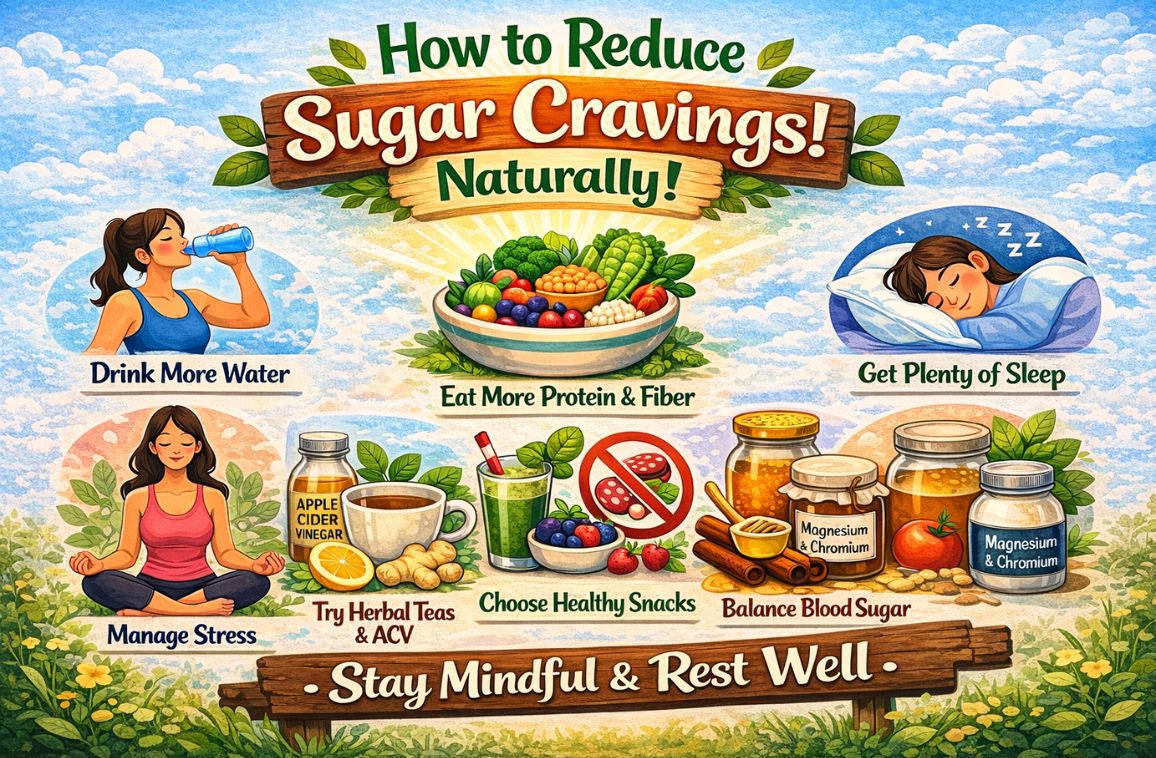

How to Reduce Sugar Cravings Naturally!

Spread the love

Sugar cravings are one of the most common challenges faced by people trying to maintain a healthy lifestyle. From afternoon energy crashes to late-night dessert urges, excess sugar consumption can affect weight, energy levels, and overall health. The good news is that you can control sugar cravings naturally by making simple and sustainable changes to your daily routine. Below are practical, easy-to-follow points that can help you reduce sugar dependence and build a healthier relationship with food.

1. Start Your Day with a Balanced Breakfast

Skipping breakfast or eating sugary foods in the morning leads to unstable blood sugar levels throughout the day. Begin your day with a rich protein breakfast that includes eggs, nuts, seeds, or yogurt along with fiber-rich fruits or whole grains. A nourishing breakfast keeps you full longer and reduces midday cravings.

2. Eat Regular, Well-Timed Meals

Long gaps between meals cause blood sugar to drop, making sugary snacks feel irresistible. Eating at regular intervals helps maintain steady energy levels. Aim for three balanced meals and healthy snacks if needed. This habit supports a healthy diet and reduces impulsive sugar intake.

3. Increase Protein and Healthy Fats

Protein and healthy fats help control hunger hormones and keep you satisfied. Including foods like lentils, beans, fish, nuts, seeds, olive oil, and avocados in your meals. When your body feels properly nourished, cravings for sweets naturally decrease.

4. Stay Hydrated Throughout the Day

Dehydration often disguises itself as hunger or sugar cravings. Drinking enough water helps regulate appetite and supports digestion. Keep a water bottle nearby and sip regularly. Herbal teas and infused water with lemon or mint are excellent alternatives to sugary drinks.

Also read, Boost Your Metabolism Naturally with These Simple Tips

5. Choose Natural Sweet Alternatives

Instead of refined sugar, use natural sweeteners like fruits, dates, or small amounts of honey when needed. Fruits also provide fiber, vitamins, and antioxidants, making them a healthier option. Gradually reducing sweetness helps retrain your taste buds to enjoy less sugar.

How to Reduce Sugar Cravings Naturally!

6. Get Enough Quality Sleep

Lack of sleep disrupts hormones that regulate hunger and cravings. When you’re tired, your body looks for quick energy sources, often sugar. Aim for seven to eight hours of quality sleep each night. A consistent sleep routine supports a balanced lifestyle and better food choices.

7. Manage Stress Effectively

Stress is a major trigger for emotional eating and sugar cravings. Practice relaxation techniques such as deep breathing, meditation, stretching, or spending time in nature. Even short breaks during a busy day can lower stress hormones and reduce the urge to reach for sweets.

8. Improve Gut Health

An unhealthy gut can increase cravings for sugar. Include probiotic-rich foods like curd, yogurt, fermented vegetables, and fiber-rich foods in your diet. A healthy gut improves digestion, nutrient absorption, and appetite control.

9. Avoid Highly Processed Foods

Processed foods often contain hidden sugars that increase cravings over time. Read food labels carefully and choose whole, natural foods whenever possible. Cooking at home gives you control over ingredients and reduces unnecessary sugar consumption.

10. Practice Mindful Eating

Mindless eating leads to overconsumption of sweets. Eat slowly, enjoy your meals, and pay attention to hunger cues. Mindful eating helps you recognize emotional cravings versus physical hunger and builds long-term control over sugar intake.

11. Stay Physically Active

Regular physical activity helps stabilize blood sugar levels and reduces stress. Simple activities like walking, yoga, or stretching can make a big difference. Exercise releases good hormones that naturally reduce cravings.

12. Use Natural Remedies Wisely

Certain natural remedies, such as cinnamon, fenugreek, and herbal teas, may help balance blood sugar levels. Including these in your daily routine can support long-term sugar control when combined with healthy habits.

Conclusion

Reducing sugar cravings naturally is not about restriction but about nourishment and balance. By following a healthy diet, managing stress, improving sleep, staying active, and using natural remedies wisely, you can gradually overcome sugar dependence. Small, consistent changes lead to lasting results, helping you feel energized, focused, and in control of your health.

How to Reduce Sugar Cravings Naturally!

The Power of Walking: Benefits You Didn’t Know About

Spread the love

Walking is one of the simplest forms of exercise, yet it is often underestimated. Many people believe fitness requires intense workouts or expensive gym memberships, but regular walking can deliver powerful health benefits. From improving physical strength to supporting mental well-being, walking plays a vital role in maintaining a healthy lifestyle. Here are some lesser-known but important benefits of walking that may surprise you.

1. Improves Heart Health

Walking regularly strengthens the heart and improves blood circulation. A brisk walk helps lower bad cholesterol levels while increasing good cholesterol. This reduces the risk of heart disease, high blood pressure, and stroke. Just 30 minutes of walking most days of the week can significantly improve cardiovascular health without putting excessive strain on the body.

2. Supports Weight Management

Walking helps burn calories and boosts metabolism naturally. While it may seem gentle, consistent walking contributes to steady weight loss or weight maintenance. It also helps prevent fat accumulation when combined with healthy eating habits. Unlike crash diets or intense workouts, walking is sustainable and easy to maintain long-term.

3. Strengthens Muscles and Bones

Walking engages multiple muscle groups, including the legs, hips, and core. Over time, it improves muscle tone and joint flexibility. Regular walking also increases bone density, reducing the risk of osteoporosis, especially as you age. It is a low-impact activity that protects joints while keeping them strong.

4. Improves Digestion and Gut Health

A short walk after meals supports digestion by stimulating the digestive system. Walking helps regulate bowel movements and reduces bloating and acidity. People who walk daily often experience fewer digestive issues and better nutrient absorption, making it a simple habit with lasting benefits.

Also Read Unexpected Signs Your Body Needs More Rest

5. Boosts Mental Health Naturally

Walking has a powerful impact on mental health. It reduces stress, anxiety, and symptoms of depression by releasing endorphins, the body’s natural mood boosters. Walking outdoors, especially in nature, enhances relaxation and emotional balance. Even a short walk can clear your mind and improve focus.

6. Enhances Brain Function and Memory

Walking increases blood flow to the brain, improving concentration, memory, and cognitive performance. Studies show that regular walking can slow age-related cognitive decline. It also encourages creative thinking and problem-solving, making it an excellent habit for students and working professionals alike.

7. Regulates Blood Sugar Levels

Walking helps control blood sugar by improving insulin sensitivity. This makes it especially beneficial for people with diabetes or those at risk. A 10 to 15-minute walk after meals can reduce sudden sugar spikes and support long-term metabolic health.

The Power of Walking: Benefits You Didn’t Know About
8. Improves Sleep Quality

People who walk daily tend to sleep better at night. Walking helps regulate the body’s natural sleep cycle and reduces insomnia. Exposure to natural light during daytime walks also supports better sleep patterns. Quality sleep further improves energy levels and immunity.

9. Boosts Immunity

Walking strengthens the immune system by increasing the circulation of immune cells. Regular walkers often experience fewer infections and recover faster from illness. Moderate physical activity like walking keeps the body active without causing physical stress, making it ideal for all age groups.

10. Supports Longevity

Walking regularly is linked to a longer and healthier life. It reduces the risk of chronic diseases such as heart disease, diabetes, and obesity. People who maintain a daily walking habit often enjoy better mobility and independence as they age.

11. Improves Posture and Balance

Walking encourages proper posture and strengthens stabilizing muscles. This improves balance and coordination, reducing the risk of falls, especially in older adults. Paying attention to posture while walking enhances these benefits even further.

12. Encourages Social Connection

Walking with friends, family, or groups promotes social interaction. This emotional connection improves motivation and supports mental well-being. Social walking habits make exercise enjoyable and easier to maintain.

13. Easy to Fit Into Daily Life

One of the greatest walking benefits is convenience. You can walk anywhere, anytime, without special equipment. Walking to work, using stairs, or taking short breaks during the day makes it easy to stay active without disrupting your routine.

14. Suitable for All Fitness Levels

Walking is safe for beginners, seniors, and people recovering from illness. It can be adjusted in pace and duration according to individual fitness levels. This makes walking one of the most inclusive forms of physical fitness.

Conclusion

Walking is more than just a basic activity; it is a powerful tool for improving overall health. From supporting physical fitness to enhancing mental health, walking offers long-term benefits that go beyond weight loss. By making walking a daily habit, you invest in a healthier lifestyle that supports your body and mind for years to come. Simple steps truly lead to powerful changes.

Boost Your Metabolism Naturally with These Simple Tips

Spread the love

Metabolism is the process through which your body converts food into energy. A healthy metabolism supports weight management, improves energy levels, and enhances overall well-being. Many people think boosting metabolism requires strict diets or intense workouts, but that is not true. Small, consistent habits can naturally improve how your body burns calories. By following simple lifestyle changes, you can support your metabolism without stress or extreme effort. Below are practical and easy-to-follow tips that can help you boost your metabolism naturally and maintain long-term health.

1. Start Your Day with a Nutritious Breakfast

Eating breakfast within an hour of waking up activates your metabolism after the overnight fasting period. A healthy breakfast helps regulate blood sugar levels and prevents overeating later in the day. Include protein, fiber, and healthy fats to keep your metabolism active and your energy levels steady throughout the morning.

2. Eat Regular, Balanced Meals

Skipping meals can slow down your metabolism as the body tries to conserve energy. Eating small, frequent meals every three to four hours keeps calorie burning consistent. Focus on a balanced diet that includes whole grains, lean proteins, vegetables, fruits, and healthy fats to nourish your body properly.

3. Drink Enough Water Daily

Hydration plays a vital role in metabolic function. Even mild dehydration can slow down metabolism and cause fatigue. Drinking enough water helps your body process nutrients efficiently and supports digestion. Start your day with warm water and keep sipping water throughout the day.

4. Increase Protein Intake

Protein-rich foods require more energy to digest, which temporarily boosts metabolism. Including foods such as eggs, lentils, dairy products, tofu, nuts, or lean meats can increase calorie burning. Protein also helps maintain muscle mass and keeps you feeling full longer.

Also read, How to Treat Hypothyroidism Naturally.

5. Build Muscle Strength

Muscle burns more calories than fat, even when the body is at rest. Strength training exercises such as squats, push-ups, resistance band workouts, or light weight training help increase muscle mass. Aim to include strength exercises at least two to three times a week.

6. Stay Physically Active Throughout the Day

Regular physical activity keeps your metabolism functioning efficiently. You don’t need intense workouts daily. Simple activities like walking, stretching, climbing stairs, or doing household chores help improve circulation and calorie burning. Avoid sitting for long hours without movement.

Boost Your Metabolism Naturally with These Simple Tips

7. Get Quality Sleep Every Night

Lack of sleep disrupts hormones that regulate hunger and metabolism. Poor sleep can slow down metabolic rate and increase cravings for unhealthy foods. Aim for seven to eight hours of quality sleep each night to support a healthy metabolism and better energy levels.

8. Manage Stress Levels

Chronic stress increases cortisol levels, which can slow metabolism and promote weight gain. Practicing relaxation techniques such as deep breathing, meditation, yoga, or spending time outdoors can help manage stress and improve metabolic health.

9. Include Natural Metabolism-Boosting Foods

Certain foods naturally support metabolic function. Spices like ginger, turmeric, and black pepper, along with green tea and fiber-rich vegetables, help improve digestion and calorie burning. Choosing natural, whole foods supports a healthy lifestyle.

10. Avoid Extreme Dieting

Crash diets and severe calorie restriction slow metabolism by forcing the body into a state of survival mode. Sustainable health comes from consistency and nourishment, not starvation. Focus on long-term habits rather than quick fixes.

Conclusion

Boosting your metabolism naturally is achievable through simple, daily habits. Eating balanced meals, staying hydrated, being physically active, managing stress, and getting quality sleep all work together to improve metabolic health. When these habits become part of your routine, they support energy levels, weight balance, and overall wellness. Small changes practiced consistently lead to lasting results and a healthier, more active life.

Healthy Desk Habits: Reduce Pain While Working Long Hours

Spread the love

In today’s digital age, many people spend most of their day sitting at a desk. Whether you’re working from home or in an office, long hours in the same position can lead to discomfort, stiffness, and chronic health issues. Conditions like neck and back pain, wrist strain, and eye fatigue are becoming increasingly common among professionals of all ages. The good news is that simple and consistent desk habits can dramatically improve comfort and productivity. This blog explores the best strategies for building healthy desk habits and maintaining your well-being while working long hours.

1. Start With Proper Ergonomics

Ergonomics plays a major role in preventing pain and improving comfort. Your desk setup should support your body’s natural alignment.

  • Chair height: Your feet should rest flat on the floor, and your knees should be at a 90-degree angle.
  • Back support: Use a chair that supports the natural curve of your spine. Consider adding a small cushion or lumbar support pillow.
  • Desk height: Your elbows should be at the same height as your desk to prevent shoulder strain.
  • Monitor position: Keep your screen at eye level and at arm’s length to reduce neck strain.

A well-structured ergonomic setup reduces unnecessary stress on your body, supports posture correction, and prevents long-term injuries.

Also read, Top 6 Benefits of Using the Standing Desk.

2. Take Frequent Micro-Breaks

Sitting for long periods can lead to stiffness and reduced blood circulation. Instead of waiting for your body to feel sore, take micro-breaks every 30–45 minutes.

  • Stand up and stretch your arms, neck, and shoulders.
  • Walk for 1–2 minutes every hour to increase circulation.
  • Try simple desk stretches like shoulder rolls, wrist rotations, and upper-back stretches.

These small breaks help relax your muscles, refresh your mind, and decrease the risk of chronic pain.

3. Maintain a Neutral Sitting Posture

Poor posture is one of the leading causes of neck and back pain among desk workers. Maintaining a neutral posture ensures your muscles are engaged correctly and reduces strain.

  • Keep your back straight and shoulders relaxed.
  • Avoid leaning forward toward your screen.
  • Rest your feet flat and avoid crossing your legs.

A neutral posture keeps your spine aligned and significantly reduces fatigue during long work hours.

4. Use the 20-20-20 Rule for Eye Health

Staring at screens for too long causes digital eye strain, headaches, and blurred vision. The 20-20-20 rule is a simple technique for workplace wellness:

Every 20 minutes, look at something 20 feet away for at least 20 seconds.

This practice relaxes your eye muscles and helps prevent dryness and irritation. Adjusting screen brightness, using anti-glare filters, and improving lighting conditions further protect your eyes.

5. Keep Your Desk Organized

A cluttered desk can cause mental stress and reduce work efficiency. Organize your workspace by keeping only essential items within reach. A tidy desk improves focus, reduces unnecessary movements, and contributes to a calmer, healthier work environment.

6. Stay Hydrated Throughout the Day

Dehydration can worsen fatigue, headaches, and muscle tension. Keep a bottle of water at your desk and sip regularly. Well-hydrated muscles are less prone to stiffness, making hydration a key element of maintaining a healthy posture and reducing discomfort.

Healthy Desk Habits: Reduce Pain While Working Long Hours

7. Use Standing Desks or Alternate Working Positions

Switching between sitting and standing can reduce long periods of pressure on your lower back. Standing desks or adjustable workstations promote movement and help improve posture. If you don’t have a standing desk, take phone calls while standing or do simple leg stretches near your workspace.

8. Incorporate Light Physical Activity

Regular movement prevents stiffness and boosts energy. Simple activities like shoulder shrugs, calf raises, or seated leg lifts improve circulation and keep your muscles active. Even a 5–10-minute walk during breaks can refresh both body and mind.

9. Practice Mindful Breathing

Stress can tighten your muscles, especially around your shoulders and neck. Deep breathing exercises relax your body and reduce tension. Try inhaling deeply for four seconds, holding for two seconds, and exhaling for six seconds. Doing this 3–4 times a day supports relaxation and improves concentration.

Conclusion

Building healthy desk habits is essential for anyone working long hours. By focusing on ergonomics, posture correction, workplace wellness, hydration, regular movement, and mindful stretching, you can prevent neck and back pain and stay productive throughout the day. Small, consistent changes make a powerful difference in your long-term health and comfort. Adopt these habits today and experience a healthier, more comfortable work routine.

Postpartum Recovery: Health Tips for New Moms

Spread the love

The journey of motherhood is beautiful, but the period after childbirth—known as the postpartum stage—can be challenging for many women. Your body goes through immense physical, emotional, and hormonal changes, and it needs time, care, and attention to fully heal. While caring for your newborn becomes your top priority, it’s equally important to care for yourself. Proper postpartum recovery ensures better long-term health, emotional balance, and a smoother transition into motherhood. Here are essential health tips for new moms to support healing, strength, and overall well-being.

1. Rest Whenever Possible

Sleep becomes unpredictable once a baby arrives, but rest is crucial for healing. Your body has undergone weeks of pregnancy and labor, and now it needs recovery time. Try to sleep when your baby sleeps, even if it’s for short naps. Ask family members to help with household chores so you can focus on resting. Proper rest reduces exhaustion, supports emotional stability, and helps your body recover faster.

2. Nourish Your Body with Healthy Foods

A balanced diet is one of the most important elements of postpartum healing. Your body requires additional nutrients to recover, especially if you are breastfeeding. Choose foods rich in protein, iron, fiber, calcium, and omega-3 fatty acids. Include vegetables, fruits, whole grains, nuts, and dairy products in your meals. Hydrate well throughout the day to support milk production and maintain overall energy levels. Following a healthy lifestyle through proper nutrition ensures long-term strength and immunity.

Also read, Best Ways to Deal with Postpartum Hives.

3. Support Your Pelvic Floor

Pregnancy and childbirth put enormous pressure on the pelvic floor muscles. To restore strength, consider doing gentle pelvic floor exercises (Kegels), but only after consulting your doctor. Strengthening these muscles helps reduce the risk of urine leakage, improves posture, and supports abdominal healing.

4. Take Care of Your Mental Well-Being

Many new moms experience mood swings due to hormonal changes, lack of sleep, and the overwhelming responsibilities of caring for a newborn. It’s normal to feel emotional, anxious, or tired. However, if you experience intense sadness, disconnection, or anxiety for more than two weeks, you may be facing postpartum depression. Seeking support is a sign of strength, not weakness. Speak to your partner, family, or a healthcare professional. Prioritizing mental health during this stage is essential for your well-being and your baby’s comfort.

Postpartum Recovery: Health Tips for New Moms

5. Be Gentle with Physical Activity

Your body needs time before returning to intense workouts. Start with gentle activities like walking, stretching, and light breathing exercises. These movements improve circulation, reduce stress, and help stabilize your energy. Avoid heavy lifting and strenuous exercises until your doctor permits you. Listen to your body—it will guide you.

6. Care for Your Incision or Stitches

If you had a C-section or episiotomy, proper wound care is essential. Keep the area clean and dry, follow your doctor’s instructions, and watch for signs of infection such as redness, swelling, fever, or pain. Avoid harsh soaps and tight clothing around the incision. Healing takes time, so avoid rushing the process.

7. Stay Hydrated and Maintain Good Breast Care

Breastfeeding can be both rewarding and challenging. Drink plenty of water, as nursing increases your body’s hydration needs. If you experience soreness, cracked nipples, or engorgement, consult a lactation expert or use warm compresses for relief. Proper hydration also improves digestion and overall wellness.

8. Accept Help When Needed

Postpartum recovery becomes easier when you have support. Allow friends or family to help with cooking, cleaning, or babysitting. Delegating tasks lets you focus on rest, healing, and bonding with your baby. You don’t have to do everything alone.

9. Practice Kindness Toward Yourself

Your body has achieved something incredible. Instead of judging your appearance or energy levels, appreciate the strength that brought your baby into the world. Healing looks different for everyone—there is no timeline. Celebrate little progress and follow your body’s pace.

Conclusion

The postpartum period is a delicate and transformative phase. Prioritizing postpartum recovery, emotional stability, and a healthy lifestyle helps new moms regain strength and confidence. With proper rest, nutrition, support, and attention to mental health, you can navigate postpartum changes with balance and positivity. Remember, taking care of yourself is the first step toward taking care of your baby.

Unexpected Signs Your Body Needs More Rest

Spread the love

In today’s busy world, feeling tired has almost become normal. Many people assume that exhaustion is simply a part of adulthood or a fast-paced work routine. However, your body often gives subtle warnings long before burnout hits. These unexpected signs are easy to overlook, but they play a crucial role in protecting your overall well-being. Understanding these signals can help you avoid sleep deprivation, reduce stress, and maintain a healthy lifestyle. Here are some surprising signs your body is asking for more rest.

1. Sudden Irritability or Mood Swings

If you find yourself getting irritated over small things, snapping at loved ones, or feeling unusually emotional, it may not be “just a bad day.” Lack of rest affects your nervous system, making emotional regulation harder. When your mind is tired, even minor stress triggers bigger reactions. Resting helps stabilize mood and reduces emotional exhaustion.

2. Craving Sugary or Junk Foods

When your energy levels drop, your body naturally seeks quick fuel, often in the form of sugar or unhealthy snacks. These cravings are not just hunger—they are signs of fatigue. Instead of sugary foods, your body actually needs good sleep and balanced nutrition. The more you ignore this sign, the more likely you are to experience weight gain and low energy.

Also read, 6 Signs You are Unhealthy That You perhaps Should not Ignore.

3. Frequent Headaches or Eye Strain

Headaches that come and go without a clear cause may be linked to insufficient rest. When your eyes and brain are overworked, they become strained, especially if you spend long hours in front of screens. Short breaks, hydration, and proper sleep help relieve these symptoms.

4. Increased Forgetfulness and Poor Focus

Do you walk into a room and forget why? Do you struggle to focus on simple tasks? Mental fog is one of the clearest signs of sleep deprivation. When your brain does not receive enough rest, memory functions slow down, and concentration becomes difficult. This affects productivity and decision-making.

5. Digestive Problems

Many people don’t realize that the digestive system is directly connected to stress and tiredness. If you experience bloating, indigestion, or sudden appetite changes, your body may be struggling. Lack of rest increases stress hormones, which disrupt digestion. Rest allows your digestive system to reset and function smoothly.

Unexpected Signs Your Body Needs More Rest

6. Weakened Immunity

If you’re falling sick often—colds, coughs, sore throats, or infections—it may be your body’s way of saying it needs more rest. When you don’t sleep properly, your immune system becomes weaker. Proper rest supports healing, boosts immunity, and helps your body fight infections naturally.

7. Skin Breakouts and Dull Appearance

Rest plays a major role in skin health. When you don’t get enough sleep, stress hormones increase, leading to acne, dullness, dark circles, and premature aging. Your skin repairs itself during sleep, which is why getting a good night’s rest is crucial for maintaining a fresh, glowing appearance.

8. Feeling Tired Even After Sleeping

If you wake up feeling drained, it could mean that your sleep quality is poor. Stress, late-night screen time, or inconsistent sleep routines can affect deep rest. Improving your sleep schedule, practicing stress management, and reducing screen exposure before bedtime can significantly improve your sleep quality.

9. Loss of Motivation

When your body and mind are exhausted, motivation naturally drops. Tasks that once felt easy may suddenly seem overwhelming. This doesn’t mean you’re lazy—it’s your body signaling the need for recovery.

How to Help Your Body Recover?

To maintain a healthy lifestyle, it is important to listen to your body and give it the rest it deserves.

  • Follow a consistent sleep schedule.
  • Practice mindfulness or relaxation techniques.
  • Limit caffeine late in the day.
  • Stay hydrated.
  • Take short breaks during work.
  • Avoid screen time before bed.

Small changes can have a dramatic impact on energy, mood, and overall wellness.

Healthy Lifestyle Hacks for Busy Professionals

Spread the love

In today’s fast-paced world, many professionals find themselves caught in a constant cycle of work, deadlines, and responsibilities. While career growth is important, neglecting health can quickly lead to burnout, fatigue, and long-term health problems. The good news is that you don’t need hours each day to maintain a healthy lifestyle. With a few smart changes, you can boost your energy, stay productive, and feel better throughout the day. Here are practical and effective lifestyle hacks designed specifically for busy professionals.

1. Start Your Day with a Simple Routine

A healthy morning routine sets the tone for the rest of the day. You don’t need a long ritual—just a few minutes of stretching, hydration, and mindful breathing can make a huge difference. Drinking warm water in the morning improves digestion and helps detoxify your body. A quick five-minute stretch increases circulation, reduces stiffness, and prepares your mind for the day ahead. This small routine offers big results, especially when you have a packed schedule.

2. Prioritize Nutritious, Balanced Meals

Food fuels your productivity, so choosing the right meals matters. Even when you’re short on time, aim for a balanced diet with a mix of proteins, whole grains, healthy fats, and fresh vegetables. Meal prepping on weekends is an excellent hack for professionals who struggle with daily cooking. Prepare simple, healthy dishes like salads, soups, or grilled vegetables that you can store and use throughout the week. Carry healthy snacks like nuts, fruits, or yogurt to avoid relying on junk food during long work hours.

Also read, Lifestyle Changes That Can Make You Healthy.

3. Keep Hydration a Daily Priority

Busy routines often lead to forgetting the simplest but most essential habit—drinking enough water. Dehydration can cause low energy, headaches, and reduced concentration. Keep a water bottle at your desk and set small reminders to take sips throughout the day. You can also include hydrating foods such as cucumbers, oranges, and coconut water. Staying hydrated improves digestion, enhances skin health, and helps maintain your overall wellness.

Healthy Lifestyle Hacks for Busy Professionals

4. Move every 60 minutes

Long hours of sitting can lead to back pain, stiffness, and reduced metabolism. A simple hack is to move your body every 45–60 minutes. Stand up, stretch, walk around the room, or do a few desk exercises. These small movements prevent muscle strain, improve posture, and increase blood flow. If possible, take short walking meetings or walk during phone calls. Regular movement boosts productivity and keeps your energy levels steady throughout the day.

5. Manage Stress Before It Builds Up

High-pressure work environments often lead to stress, which affects your physical and mental health. Practicing daily stress management techniques can help you stay calm and focused. Try deep breathing exercises, short meditation breaks, or simple grounding techniques when you feel overwhelmed. Even two minutes of slow breathing reduces anxiety and resets your mind. You can also use quick relaxation tools like listening to calming music or stepping outdoors for a short walk.

6. Improve Your Sleep Quality

Sleep directly affects your mood, immunity, and concentration. Busy professionals often sacrifice sleep for work, but this leads to long-term problems. Aim for at least 7–8 hours of restful sleep. Avoid screens an hour before bed, maintain a consistent sleep schedule, and create a calm sleep environment. A well-rested mind performs better, making you more productive during the day.

7. Build a Healthy Work-Life Balance

Creating a strong work-life balance is essential for long-term health. Set clear boundaries between work and personal time. Avoid checking emails after work hours, and give yourself at least 30 minutes daily for relaxation, hobbies, or family time. This balance helps reduce burnout and strengthens emotional well-being.

Conclusion

A healthy lifestyle doesn’t require big changes—just consistent small habits. By focusing on a balanced diet, stress management, regular movement, hydration, and a better work-life balance, busy professionals can stay healthy, energized, and productive throughout their day. Simple habits lead to powerful results, even in the busiest lives.

Natural Ways to Improve Sleep and Reduce Stress

0
Spread the love

Sleep and stress are closely connected, and when one is affected, the other often follows. Many people struggle to get enough sleep due to daily responsibilities, work pressure, and lifestyle habits. Similarly, chronic stress can make it harder for the mind to rest, leading to sleep deprivation. Fortunately, there are natural ways to improve sleep and reduce stress without relying on medications. By adopting a healthy lifestyle and practicing effective relaxation techniques, you can support your mind and body in finding calm and balance.

One of the most effective natural stress relief methods is maintaining a consistent sleep schedule. Going to bed and waking up at the same time every day helps regulate your internal body clock. This encourages better sleep and reduces the chances of waking up tired. Try to avoid long daytime naps and limit screen time before bedtime, as the blue light from screens disrupts melatonin production, the hormone responsible for sleep.

What you eat and drink also plays an important role in sleep. Caffeine, when consumed late in the day, can interfere with your ability to fall asleep. Instead, choose calming herbal teas such as chamomile, peppermint, or lavender in the evening. Eating a heavy meal right before bedtime can cause discomfort and disrupt sleep. A light dinner with a balance of protein, fiber, and healthy fats can help maintain stable blood sugar levels overnight.

Physical activity is another natural approach to improve sleep quality and reduce stress. Regular exercise, such as walking, yoga, or light stretching, helps release endorphins, which promote relaxation. However, intense workouts close to bedtime may increase alertness, so it’s best to exercise earlier in the day. Yoga, deep breathing exercises, and gentle stretching are especially helpful, as they calm both the mind and body.

Mindfulness and meditation can also be powerful tools for stress reduction. Taking just 10 to 15 minutes daily to meditate can lower cortisol levels, the stress hormone. Guided meditation, prayer, journaling, or simply sitting quietly while focusing on your breath can help bring your mind into the present moment and reduce worrying thoughts.

Also read, Simple Ways to Reduce Inflammation.

Creating a peaceful sleep environment is equally important. Keep your bedroom cool, dark, and quiet. Choose comfortable bedding and minimize clutter, as a messy room can make the mind feel restless. Aromatherapy with essential oils like lavender, sandalwood, and chamomile can also promote relaxation. Try diffusing these oils or applying a small amount on your pillow for a calming effect.

Natural Ways to Improve Sleep and Reduce Stress

Limiting stimulants such as late-night work, emotional conversations, or noisy entertainment is also essential for restful sleep. Your mind needs time to unwind before sleep. Establish a bedtime routine that signals your brain it’s time to rest. This could include reading a book, taking a warm bath, or listening to soft music.

Finally, remember that emotional well-being plays a significant role in stress and sleep health. Talking to a friend, spending time with loved ones, or seeking counseling when needed can help relieve emotional tension. Practicing gratitude before bed by writing down positive moments from the day can shift your focus away from stress and toward a peaceful mindset.

In conclusion, improving sleep and managing stress naturally is about making simple, consistent lifestyle changes. By focusing on relaxation techniques, balanced nutrition, physical activity, and a calming sleep environment, you support your body’s natural ability to relax and recharge. These practices can lead to long-term benefits, helping you feel more rested, energized, and emotionally balanced each day. Embracing a healthy lifestyle and choosing natural stress relief methods can significantly improve sleep quality and support overall well-being effectively and naturally every day.

Essential Nutrition Tips for a Healthy Pregnancy

Spread the love

Pregnancy is one of the most beautiful and transformative phases in a woman’s life. During this period, your body nurtures and supports the growth of a new life, making proper nutrition an absolute priority. A well-balanced diet not only supports your baby’s development but also helps you stay strong, energetic, and healthy throughout all trimesters. Here are some essential nutrition tips for a healthy pregnancy to ensure both mother and baby receive the nourishment they need.

1. Start with a Balanced Diet

A balanced diet during pregnancy means including a variety of foods from all major food groups—fruits, vegetables, whole grains, protein, and dairy. These food groups provide essential nutrients such as vitamins, minerals, carbohydrates, proteins, and healthy fats that support fetal growth and maternal health. Try to eat colorful fruits and vegetables daily, as they are rich in antioxidants and fiber that improve digestion and strengthen immunity.

2. Focus on Folic Acid and Iron

Folic acid and iron are two of the most crucial nutrients for expectant mothers. Folic acid helps prevent neural tube defects in babies and supports the formation of healthy red blood cells. Iron prevents anemia, a common issue during pregnancy, by helping transport oxygen to both mother and baby. Include iron-rich foods like spinach, beans, lean meat, and lentils, and pair them with vitamin C-rich foods to improve absorption. You can also take doctor-prescribed prenatal supplements to ensure adequate intake.

Also read, Essential Monsoon Pregnancy Care Tips for Expecting Mothers.

3. Include Calcium for Strong Bones

Calcium is essential for the development of your baby’s bones, teeth, heart, and muscles. If your diet lacks calcium, your body will use your calcium stores, which may weaken your bones. Include calcium-rich foods such as milk, yogurt, cheese, tofu, sesame seeds, and green leafy vegetables. Adequate calcium intake during pregnancy also helps reduce the risk of hypertension and preeclampsia.

4. Eat Enough Protein

Protein plays a major role in building your baby’s tissues, muscles, and organs. It also helps in the growth of the placenta and the mother’s tissue repair. Aim to include good protein sources like eggs, fish, poultry, lentils, nuts, and dairy products in your daily meals. Try to distribute your protein intake evenly throughout the day to maintain steady energy levels.

Essential Nutrition Tips for a Healthy Pregnancy

5. Stay Hydrated Always

Water is often the most overlooked nutrient during pregnancy. Staying hydrated supports blood circulation, maintains amniotic fluid levels, and helps prevent constipation and urinary infections. Aim for at least 8–10 glasses of water a day. You can also include coconut water, fresh fruit juices, and soups to keep hydration levels optimal.

6. Limit Processed and Sugary Foods

While occasional cravings are natural, it’s important to limit processed snacks, sugary drinks, and junk food. These foods add unnecessary calories and may increase the risk of gestational diabetes and excess weight gain. Instead, choose healthy snacks like fruits, nuts, yogurt, or whole-grain crackers that provide nutrition and sustained energy.

7. Don’t Skip Meals

Skipping meals can lead to fatigue, dizziness, and reduced nutrient intake. Eat small, frequent meals throughout the day to maintain blood sugar levels and avoid nausea. If morning sickness is an issue, opt for light, easy-to-digest meals like fruits, dry toast, or smoothies.

8. Include Omega-3 Fatty Acids

Omega-3 fatty acids are vital for your baby’s brain and eye development. Include foods such as flaxseeds, chia seeds, walnuts, and fatty fish like salmon. If you are a vegetarian, talk to your doctor about plant-based omega-3 supplements.

Conclusion

A healthy pregnancy begins with mindful eating and proper nutrition. Every meal you take contributes to your baby’s growth and your own well-being. By following these essential nutrition tips for a healthy pregnancy, you can ensure a safe, smooth, and joyous journey to motherhood. Remember to consult your doctor or a qualified nutritionist for a personalized diet plan suited to your needs.

10 Simple Daily Habits for a Healthier You

Spread the love

Good health doesn’t come from overnight changes or extreme diets—it’s built through small, consistent habits that nourish your body, mind, and soul every day. Adopting just a few healthy routines can make a big difference in your energy, mood, and overall well-being. Here are 10 simple daily habits that can help you live a healthier, happier life.

1. Start Your Day with Hydration

After hours of sleep, your body needs water to rehydrate and kickstart your metabolism. Begin each morning with a glass of warm water—add lemon for extra detox benefits. Staying hydrated throughout the day also helps flush out toxins, improves digestion, and keeps your skin glowing.

2. Eat a Balanced Breakfast

Breakfast is the most important meal of the day because it fuels your body and brain. Include protein, fiber, and healthy fats—such as eggs, oats, fruits, and nuts—to maintain stable energy levels. Avoid sugary cereals or pastries, which cause quick energy spikes followed by fatigue.

3. Move Your Body every day

You don’t need an intense workout to stay fit. Even 30 minutes of brisk walking, yoga, or light exercise can boost circulation, improve mood, and keep your heart healthy. The key is consistency—make moving a natural part of your daily routine.

4. Practice Mindful Eating

Eating mindfully means paying attention to your food—its taste, texture, and aroma—without distractions like TV or mobile phones. Chew slowly and stop eating when you feel satisfied, not stuffed. This helps improve digestion and prevents overeating.

5. Prioritize Quality Sleep

Sleep is essential for recovery, memory, and mental clarity. Aim for 7–8 hours of quality sleep each night. Maintain a regular sleep schedule, avoid caffeine late in the day, and create a calm bedtime routine. A well-rested body functions better, both physically and emotionally.

6. Manage Stress Mindfully

Chronic stress affects your heart, immune system, and mood. Take time daily to relax through meditation, deep breathing, or hobbies that bring you joy. Even a few minutes of mindfulness or gratitude practice can calm your mind and reduce anxiety.

Also read, 5 Morning Habits to Lose Weight.

7. Eat More Whole foods

Replace processed foods with fresh fruits, vegetables, whole grains, and lean proteins. Whole foods provide essential nutrients that strengthen immunity, improve digestion, and support long-term health. Try cooking at home more often to control ingredients and portion sizes.

10 Simple Daily Habits for a Healthier You

8. Limit Screen Time

Too much screen exposure strains your eyes and disrupts sleep. Take short breaks from devices every hour, follow the 20-20-20 rule (look 20 feet away for 20 seconds every 20 minutes), and disconnect from digital gadgets at least an hour before bed.

9. Stay Connected Socially

Healthy relationships and social interactions have a positive impact on mental health. Spend time with family and friends, engage in meaningful conversations, or simply share a laugh. Emotional support helps you handle life’s challenges more effectively.

10. End the Day with Gratitude

Before sleeping, reflect on three things you’re grateful for. This simple habit promotes positivity, reduces stress, and enhances emotional well-being. Gratitude shifts your focus from what’s missing to what’s meaningful in your life.

Conclusion

Becoming healthier doesn’t require drastic lifestyle changes—it’s all about small, sustainable steps. By staying hydrated, eating right, sleeping well, managing stress, and nurturing connections, you can transform your daily life beautifully and meaningfully. Start with one or two of these habits today and build gradually with patience and positivity. Remember, long-term wellness is a journey, not a destination. A little progress each day adds up to a lifetime of positive health, happiness, and inner peace. Stay consistent. Stay mindful. Stay healthy.

Yoga for Pregnant Women: Benefits and Safe Practices

Spread the love

Pregnancy is a beautiful journey, but it comes with physical and emotional changes. Yoga is a gentle, effective way to support both mother and baby during this time. Regular prenatal yoga can improve flexibility, reduce stress, ease back pain, and enhance circulation. It also promotes better sleep and prepares the body for labor.

Benefits of Prenatal Yoga:

  • Reduces Stress and Anxiety – Breathing exercises calm the mind and lower stress levels.
  • Eases Back and Hip Pain – Gentle stretches relieve common pregnancy discomforts.
  • Improves Circulation – Boosts oxygen flow to both mother and baby.
  • Enhances Flexibility and Strength – Prepares the body for labor and delivery.
  • Supports Mental Wellbeing – Meditation and mindfulness improve emotional balance.

Also read, 5 Benefits of immediate exercise during pregnancy.

Safe Yoga Practices for Pregnancy:

  • Focus on gentle stretching and breathing techniques.
  • Avoid deep twists, strong backbends, and lying flat on your back after the first trimester.
  • Use props like pillows and blocks for support.
  • Practice under the guidance of a certified prenatal yoga instructor.

Yoga for Pregnant Women: Benefits and Safe Practices

Popular Prenatal Yoga Poses:

  • Cat-Cow Stretch / Marjaryasana-Bitilasana (relieves back pain).
  • Bound Angle Pose / Baddha Konasana (opens hips).
  • Side-Lying Savasana (relaxation and comfort).
  • Warrior II / Virabhadrasana II (builds leg strength and balance).

Conclusion

Prenatal yoga helps expectant mothers stay active, healthy, and relaxed while fostering a deeper connection with their baby. Always consult a doctor before starting yoga, and practice safely for maximum benefits.

No More Confusion! Beginner Makeup Steps in the Right Order

Spread the love

For the most part, makeup routines do vary from person to person. Few people like to start with their lips, others swear by underpainting,and few people like to switch it up, experimenting with different application techniques each time, and this is the case with beginner makeup steps.

The order in which makeup is applied can indeed be very subjective. Still, a person may be seeking a refresher on the basics or even looking for recommendations from professionals in order to step up one’s makeup game.

Beginner makeup steps

1. Skincare First: The foundation for flawless makeup. Before any makeup touches one’s face, prioritize skincare.

2. Base Layers: Creating a smooth canvas now, then trying to start building a masterpiece, layer by layer.

3. Adding dimension: Sculpting and defining.

4. Eye Makeup: Enhancing One’s Eyes.

5. Lips: Completing the Look.

What are the next steps for beginners to take?

Skin Prep

Skin prep is indeed key for ensuring that one’s makeup looks its best. How to choose in order to prepare the skin is dependent on a variety of factors, like skin type to how much makeup the person is looking to apply, and how long she wants it to last. Similarly to makeup, skincare routines also do come with their own recommended order.

Primer

Primer is no doubt the unsung hero of several makeup looks; it can rather help enhance one’s makeup by smoothing out pores, preventing excess shine, and also helping make the look last longer. It is the opportunity meant to target the main skin concerns before applying makeup. Opting for a primer that does address one’s needs, a few suggestions based on concerns.

Foundation and Concealer

Makeup artists are holding different views regarding the order in which the person needs to apply foundation and concealer. Few people prefer to put it under the foundation. It is okay to try a few different techniques and see what is preferred.

No More Confusion! Beginner Makeup Steps in the Right Order

Contour and Bronzer

Apply bronzer as it adds warmth and dimension to the skin, and also helps connect the surface tone bronzer and/or contour after foundation and concealer.

Also read, Makeup benefits for female.

Brows

This is when the person may start filling in her brows. Doing the brows before the eyes is essential. They do help frame the face and also create a finished look. By adding an air of polish before applying one’s eye shadow, the person may find that she does not need as much. Whether she opts for powders, pencils, gels, or a combination of these formulas, brush out the hairs first, then fill in only where required. This will rather create a soft and natural brow look.

Eyeshadow and Liner

Those who regularly create eyeshadow looks, such as smoky eyes, or use darker/brighter colors often do prefer starting their makeup routine with this step. It is because fallout can indeed be easily cleaned up before applying the base. Still, most makeup artists tend to prefer.

Mascara

A person can complete their eye makeup look by applying mascara. If she plans on using an eyelash curler, it is better to do so before applying mascara to keep the formula from sticking to one’s curler and potentially pulling out lashes. Make sure mascara is rather fully dry if the person chooses to touch their shadow or liner afterwards.

Blush and Highlighter

Applying blush near the end of one’s routine does allow the person to tailor the color to one’s overall look. Pairing one’s lip color to one’s blush by opting for similar undertones in order to achieve a  rather more cohesive result.

Lips

Lip color can be applied near the end of a makeup routine with one caveat.

Powder

While those prone to creasing or with an oily skin type do prefer setting their concealer with powder directly after application.

Setting Spray

Setting spray and a lippie, while most setting sprays are simply meant to prolong makeup wear.

Conclusion

There are no strict guidelines for beginner makeup steps as long as the preferred look and finish are there.

Quick, Cute, Easy Hairstyles for Long Hair Under 5 Minutes

Spread the love

The low bun style comes in handy when you’re short on time, and a popular hairstyle is easy hairstyles for long hair. The best part is that it is an easy hairstyle for long hair that proves to be timeless and looks elegant as well as stylish.

From classic buns to playful braids, a person will find plenty of inspiration to transform their hair in no time.

She can go for cute, simple hairstyles that can be done in under 5 minutes, that are effortless and trendy, suiting any occasion.

Whether heading to work, a party, or just lounging at home, these looks will keep the woman looking stylish without any hassle.

From classic buns to playful braids, the woman  will find plenty of inspiration to transform her hair in no time.

1. The Messy Bun

The messy bun is indeed a timeless favorite for its effortless charm and  also versatility. It does work for casual outings, workouts, or even perhaps  a quick coffee date.

  • Gather one’s hair into a loose ponytail.
  • Twist it into a bun and then secure it with elastic or even pins.
  • Pull out a few strands to frame one’s face for a relaxed vibe.

2. Sleek Low Ponytail

The sleek, low ponytail does exude sophistication and is also perfect for formal or even casual events.

  • Comb one’s hair back and smooth it with a touch of serum.
  • Secure it, of course, at the nape of one’s neck with elastic.
  • Wrap, say, a small section of hair around the elastic for, no doubt, a polished finish.

3. Half-Up Top Knot

The half-up topknot is playful and also practical, keeping hair off one’s face while leaving the rest flowing.

  • Section the top half of one’s hair and gather it into a ponytail.
  • Twist the ponytail into a small bun and then secure with pins.
  • Let the remaining hair cascade down naturally.
Read more, Top 10 DIY Easy Hairstyles for Girls.

4. Side Braid

The side braid happens to be a quick and stylish way to tame one’s hair while looking chic.

  • Part one’s hair to the side and gather it over the shoulder.
  • Create a simple braid and then secure it with an elastic.
  • Gently loosen the braid for a fuller, more relaxed look.

Quick, Cute, Easy Hairstyles for Long Hair Under 5 Minutes

5. Low Chignon

The low chignon is an elegant choice for formal occasions and is easy to achieve in minutes.

  • Pull one’s hair into a low ponytail at the nape of one’s neck.
  • Twist the ponytail into a bun and then secure with pins.
  • Smooth any flyaways with a touch of hairspray.
6. Bubble Ponytail

The bubble ponytail does add a fun and trendy twist to a classic look.

  • Tie the hair into a high or low ponytail.
  • Add additional elastics down the length of one’s ponytail at equal intervals.
  • Gently tug the sections between the elastics to create “bubbles.”
7. Braided Headband

The braided headband is no doubt  a cute way to style hair and keep it out of one’s face.

  • Take a small section of hair from a particular side and then create a simple braid.
  • Wrap the braid across the top of the head like a headband.
  • Secure it behind the ear with a pin.

Conclusion

Long hair can be much desired, as easy hairstyles for long hair are there to try out.

Rock the Celebrity Fashion Trends on a Budget

Spread the love

Every person admires celebrity fashion trends as the glamorous looks of one’s favorite celebrities, but replicating their style can  indeed seem impossible when  working with a modest budget. The truth is, dressing such a celebrity does not have to cost a fortune. With a bit of creativity and also savvy shopping, a person can steal the look and rock it in one’s own unique way.

How to dress like a celebrity on a budget without compromising on style and quality? It sounds impossible, but it is not so.

1. Understand Celebrity Style: What makes it stand out?

Before diving into shopping, it is essential to understand what makes a celebrity’s style, in fact, so appealing. Celebrities do often have a team of stylists who  do curate their looks, focusing on key elements such as:

  • Tailoring: Well-fitted clothing is indeed crucial. Celebrities often wear tailored pieces that tend to highlight their best features.
  • Statement Pieces: Whether it is a bold jacket, designer handbag, or even a unique pair of shoes, celebrities know how to make a statement with their outfits.
  • Mix of High and Low Fashion: Celebrities often mix designer items with more affordable pieces,  thus creating a balanced as well as stylish look.
  • Confidence: The way the person carries himself or herself can make or break an outfit.  Confidence is indeed a huge part of what makes  the celebrity style so enviable.

2. Follow Celebrities with Accessible Style

Few celebrities are known for their high-end designer wardrobes, while others are, in fact, more relatable in their respective fashion choices. Follow celebrities whose style is rather attainable and also versatile. Stars are known for mixing affordable fashion with high-end pieces, thus making their looks easier to replicate on a budget.

3. Use Social Media and Fashion Apps for Inspiration

Social media platforms like Instagram and Pinterest are, of course, treasure troves of celebrity fashion inspiration. These fashion apps are allowing a person to shop for similar looks worn by celebrities at a fraction of the cost.

Also read, Top 10 International Makeup Artists.

4. Shop Smart: Where to find affordable celebrity-inspired fashion

Finding affordable versions of celebrity outfits is indeed easier than ever, mainly due to fast fashion retailers and online shopping.

Vintage shopping can indeed uncover unique, high-quality pieces similar to what celebrities tend to wear, often at a much lower cost.

  • Online Discount Retailers: Websites are there that offer designer brands at discounted prices,  thus making it easier to snag a celebrity-inspired piece.
  • Subscription Boxes: Services are there that can help get celebrity-inspired outfits without the commitment to purchase, perfect for special events.

5. Focus on Key Pieces

Instead of trying to replicate an entire outfit, focusing on one or two key pieces that define the look is a good idea.

  • Statement Outerwear: A bold coat or jacket can rather elevate one’s entire outfit.
  • Classic Denim: Celebrities often wear perfectly fitted jeans. Find a pair that suits one’s body type and also feels comfortable.
  • Accessorize Like a Pro: Accessories can make or even break an outfit. Sunglasses, hats, belts, and jewelry are all ways to add a touch of celebrity style to one’s look without spending much.

Rock the Celebrity Fashion Trends on a Budget

6. DIY one’s designer look

Underestimating the power of DIY in celebrity fashion trends is not needed. Creativity helps.

  • Distressed Jeans: Instead of buying expensive distressed jeans, create your own pair of old jeans with scissors and sandpaper.
  • Customize one’s basics:  Add patches, embroidery, or even fabric paint to basic t-shirts and jackets for a unique look.
  • Tailor one’s clothes: Even inexpensive clothing can indeed look high-end if it fits well. Simple alterations can make a difference.
7. Shoes

Shoes are a crucial part of an outfit, and celebrities often wear statement footwear.

8. Shop Off-Season

Another way to save money on celebrity-inspired fashion is by shopping off-season.

Conclusion

Dressing as a celebrity on a budget is all about being smart with one’s choices and confident in style. Celebrity fashion trends can be adopted.

H5N1 Bird Flu Outbreak: What It Means and How to Be Safe?

Spread the love

The highly pathogenic avian influenza (HPAI) H5N1 virus, popularly known as bird flu, is making headlines and leaving its mark on grocery shelves. People are wary of eating eggs as they feel they may be affected by H5N1 bird flu.

Initially spreading among domestic waterfowl, the virus has now migrated to commercial poultry, mammals, cattle, and a host of other animals across the United States. As of February 26, 2025, there have indeed been about 70 confirmed, sporadic human cases in the United States. Exposures have rather been largely tied to dairy herds (58.6%) and also poultry operations (34.3%), with smaller proportions linked to other animal exposures (2.9%) as well as unknown sources (4.3%). The Centers for Disease Control and Prevention (CDC) currently assesses the public health risk as low, with no documented human-to-human transmission, but vigilance is essential.

Public health agencies are, of course, closely monitoring the situation; individual vigilance, like following proper food safety protocols and being mindful of interactions with pets and also wildlife, remains essential in preventing infection. While there is no doubt about the growing concern about the spread of H5N1 to humans, practicing a few hygiene protocols can help to mitigate risk.

1. Are eggs, chicken, and beef safe to eat?

The good news is that poultry, eggs, and beef are safe to eat when properly handled and thoroughly cooked. According to the CDC, there have been no reported cases in the U.S. of people contracting H5N1 from food prepared using standard safety practices. Yet, in Southeast Asia, a small number of avian influenza A virus infections have been linked to the handling or perhaps consumption of raw or undercooked poultry and also related products, like blood.

Essential food safety tips include:

  • Poultry and Eggs: Cook all poultry products to an internal temperature of 165°F (74°C). This includes ensuring scrambled eggs are fully set and also avoiding runny yolks in fried or poached eggs.
  • Egg Safety: Commercial eggs in the U.S.  do undergo washing and sanitization, significantly reducing risk. Still, always refrigerate eggs and avoid consuming raw dough or even batter containing eggs.
  • Beef: Ground beef needs to reach 160°F (71°C), while whole cuts need to be cooked to at least 145°F (63°C) with a three-minute rest period.
  • Prevent Cross-Contamination: Keep raw meat separate from ready-to-eat foods. Wash one’s hands, utensils, and cutting boards thoroughly with soap as well as water after handling raw meat.

These steps do protect against H5N1 and also other foodborne pathogens such as Salmonella and E. coli. Always wash hands with warm soap and water for at least 20 seconds after handling raw or undercooked foods.

2. Does a person need to take down bird feeders?

Bird feeders are favorites for many people, but they can serve as gathering spots where diseases spread among wild birds.

Choose to keep the feeder up:

  • Wear rubber gloves when refilling feeders or even touching them for any reason.
  • Clean feeders with a bleach solution routinely (wearing appropriate PPE).
  • Remove spilled seed to prevent attracting large flocks.
  • Keep pets and children away from feeders as well as droppings.

H5N1 Bird Flu Outbreak:  What It Means and How to Be Safe?

If spotting a sick or dead bird:

  • Do not touch it with your bare hands.
  • Report it to the state’s wildlife agency or the USDA’s wildlife services.
  • Wear appropriate PPE and wash hands thoroughly after handling feeders or cleaning up around them.

Also read, Flu Symptoms and Flu-Like Illness.

3. Why Avoid Raw (Unpasteurized) Milk?

The detection of H5N1 in dairy herds is concerning. Raw (unpasteurized) milk can harbor the virus, along with other dangerous pathogens such as Listeria and Salmonella. Pasteurization is heating milk to a high temperature for a set period that kills these germs, thus making it the safest choice.

Why skip raw milk products?

  • Raw milk from infected cows is “teeming” with this virus, potentially posing a direct infection risk.
  • Vulnerable populations (children under 5, pregnant women, older adults, and immunocompromised individuals) are especially at risk.

Safety tip: Always check labels to ensure dairy products are pasteurized. Refrigerate perishables at 40°F (4°C) or even colder, and discard expired items.

Conclusion

H5N1 bird flu is thus an infection that spreads in birds as well as other animals via a particular type of virus. Yet, these infections are not limited to birds and can also spread from birds to humans. The chances of spreading the infection from human to human are rare.

5 Must Have Beauty Products for Men for Glowing Skin

Spread the love

Beauty products for men and their skincare products are arguably the most significant shift in the skincare world in the last decade. Nowadays, the focus is on exfoliators and serums usually reserved for women only, but men are also conscious of skincare. Presently, skincare products are increasingly unisex, with a whole host of great, gender-neutral offerings that rank up there with the best women’s skincare products, doing everything from nourishing and hydrating tired skin to de-clogging pores.

Since the pandemic, interest in men’s skincare has, in fact, not only intensified. A few men have also begun to experiment with their partners’ products and try out new looks with the extra time in lockdown, while shifts to online shopping did allow them to explore skincare in a less intimidating environment.

As cultural attitudes towards masculinity and beauty evolve, experts predict a leveling up of the gender split in skincare, with a large proportion of men embracing involved skincare routines.

There is no reason why men need not look after their skin in much the same way those women do. Brands are rather differently prepared for men or, for that matter, even for women. The main difference in brands targeted for men and women does tend just to be in the packaging and not in the formulation in brands targeted for men and women as well. Men are not immune to acne, blemishes, eczema, dry skin, and the signs of aging. They also like to follow a skincare routine, and a lot of men shave, which is another reason why men might want to follow a skincare routine, as shaving affects the lipid layer of the skin, which makes skin drier and also more prone to irritation.

When do men need to start skincare?

Puberty is indeed a great time to get into skincare, as boys do start to produce testosterone and also excess oil, which can lead to quite severe and also cystic types of acne. Implementing a good skincare routine helps limit congestion and oily skin.

Skin responds to consistency, and thus a daily skincare routine is a must for an effective way to minimize breakouts and protect the skin from skin cancer formation and premature ageing. Then, for men who want to do more, adding an antioxidant during the day and a vitamin A derivative (retinol, tretinoin, etc.) at nighttime is beneficial.

Also read, 5 Beauty tips for men.

The person can also add in a moisturizer and more traditional grooming essentials, like beard oils. Brands like Kiehl’s, Clinique, and Tom Ford already offer products specifically marketed to men’s skincare, with shaving foam, beard oil, and also exfoliating scrubs all created with facial hair in mind. Then there are brands like Aesop, La Mer, and Burt’s Bees, or newcomers Fenty Skin and Pharrell’s Human Race, which use chic, minimal packaging, thus making them great unisex skincare products. Meanwhile, the last few years have also, in fact, seen a rise in male-specific skincare brands, like Bulldog and Anthony.

5 Must Have Beauty Products for Men for Glowing Skin

From luxury to utilitarian products, they are available for men’s skincare routines.

A few beauty products for men

Best Foaming Cleanser

1. Jack Black Pure Clean Daily Facial Cleanser.

This is the best non-foaming cleanser.

2. Cetaphil Gentle Skin Cleanser.

Uses:

  • Ideal for dry to normal sensitive skin: Hydrates and soothes as it cleanses, preserving the skin’s moisture barrier, even after repeated washes.
  • New and improved ingredient blend: Now with hydrating glycerin and essential skin vitamins B5 (panthenol) and B3 (niacinamide).
  • Developed for even the most sensitive skin: The hypoallergenic, non-comedogenic formula is free of fragrances, parabens, and sulfates.

Cetaphil Face Wash, Hydrating Gentle Skin Cleanser for Dry to Normal Sensitive Skin.

3. CeraVe Foaming Facial Cleanser, Daily Face Wash for Oily Skin with Hyaluronic Acid, Ceramides, and Niacinamide, Fragrance Free, 16 Fluid Ounce.

4. Neutrogena Fragrance-Free Ultra Gentle Foaming Daily Cleanser, Hydrating Face Wash for Sensitive Skin, Removes Makeup & Gently Cleanses Sans Over Drying, Hypoallergenic.

5. Lumin Charcoal Face Wash for Men Skincare – Daily Detox, Hydrating Face Cleanser.

Conclusion

Beauty products for men are much in use, as men are conscious of skincare.

Latest Fashion 2025 Trends: Best Stylish Dresses for Women

Spread the love

The societal and cultural shift experienced over the last 12 months in moving away from cold hard facts and embracing more of a “vibes-based” approach is the transition that can also be traced across the fashion sphere, particularly when it comes to stylish dresses for women.

Several fashion trends have emerged on social media regarding stylish women’s dresses, and now the women do see this trend as a supercharging of a fashion trend cycle, while others regard it as an opportunity to be less prescriptive and also more interpretive in the world of fashion.

This sort of attitude toward several aesthetics does align more with the latter approach, and women can argue that these new-gen “vibe” videos are merely a digitized version of old-school scrapbooks and mood boards.

Indeed, there has been no shortage of dress inspiration on the new-season runways, which highlight an eclectic mix of moods that do tend to emerge, all of which can be iterated on and also adapted to suit one’s style (and the pieces already sitting in one’s wardrobe). For 2025, if she does not want to invest in a new piece, she can hunt down an oversized vintage track jacket to recreate a superb look.

Also read, 5 dressing styles for ladies.

There were indeed polarized style personalities that did emerge on the spring/summer 2025 runways. On the whole, the woman had the billowing skirts and It-girl blowouts of 2024’s boho revival that have been adapted for a new year via moodier floral prints and also gothic undertones, thus making Valentino and Saint Laurent one’s choice. Then, those with a utilitarian spirit preferring big-pocketed minis and sand-toned, unadorned midis were in fashion. Embracing mixing and matching and creating stylistic hybrids from the most unlikely of pairings.

Avavav Logo-Embroidered Track Robe

A few trendy, stylish women’s dresses

  • Blue Shirt-Collar Loose Hoodie Minidress.
  • Renaissance draping.
  • Tod’s spring/summer 2025 ready-to-wear.
  • Victor VIRGILE/Getty Images.
  • Ottolinger, spring/summer 2025 ready-to-wear.
  • Victor VIRGILE/Getty Images.
  • Draped Balloon Midi Dress.
  • Enclothe Washi & Wool Maxi Dress.
  • Dark Bohemia.
  • Asymmetric Draped Floral-Print Chiffon Dress.
  • Hatch Midi-Dress.
  • Re-Nylon Minidress.
  • Belted utility midi dresses.
  • Fantasy tulle layers.
  • Stretch-mesh Maxi Dress.
  • Juniper Dress.
  • Punkish plaid prints.

What more to know about stylish women’s dresses?

Fashion trends for women in 2025 also include:

1. Sustainable Futurism and Ethical Elegance: Blending style with care for the planet.

2. Tech-Infused Couture: Wearable technology mixing with high fashion.

3. Empowerment via Diversity and Inclusivity.

4. Artisanal Revival cum Craftsmanship Focus: Rediscovery of ethical and sustainable craftsmanship.

5. Neo-Nostalgia: Retro-inspired fashion outfits.

Latest Fashion 2025 Trends: Best Stylish Dresses for Women

6.  Furthermore:

Fashion trends for women in 2025 include:

  • Statement blazers and skirt suits will dominate the clothing space.
  • Glove pumps and loafers are set to be the year’s hottest accessories.
  • Fitted vests and wide-leg trousers continue to trend.
  • Athletic chic combines comfort and style.
  • Bright and bold summer colors will be popular.
  • Chunky jewelry is a fashion accessory trend.
  • Modern prints will be in style.

Conclusion

Women do wonder about the seamless transition of their wardrobe reflecting the upcoming trends of 2025. Focus is on stylish women’s dresses for the year 2025. The fashion world is trendy for women.