Home Blog Page 35

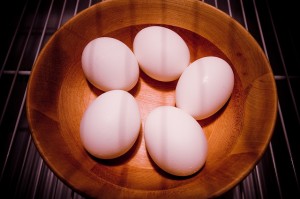
Spicy Egg Biryani recipe

0
Spread the love

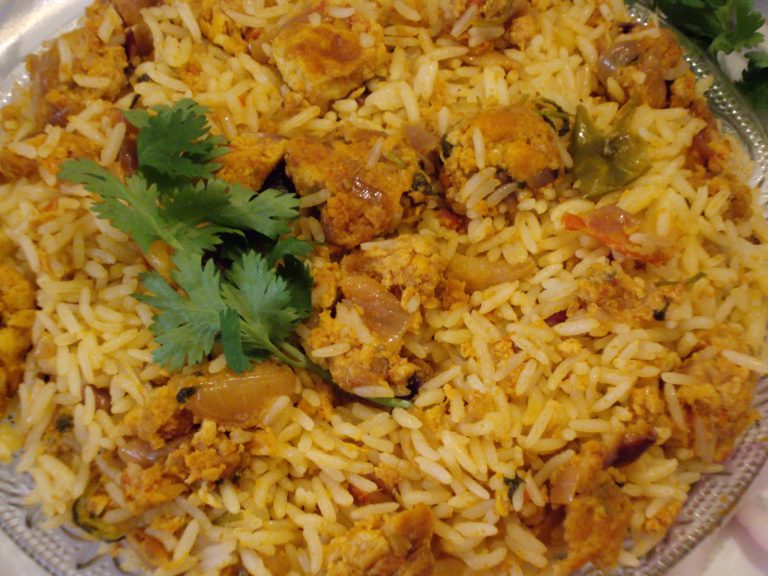
Spicy Egg biryani recipe is very popular Indian recipe and Indian cookery is famous for its mouth watery flavours, use of natural herbs and spices.

Here the rice and the egg are cooked separately and then combined in the final step.

It tasted awesome with the combination of onion raita. You can make it extra spicy by adding more green chilly.

Here, is the easy recipe for you and enjoy the delicious Egg biryani…:)

Ingredients to make Spicy Egg Biryani recipe:

  • Eggs : 4
  • Raw rice : 2 cup
  • Onion big : 2
  • Tomato : 2
  • Green chilly : 2
  • Turmeric pwd : ¼ tsp
  • Red chilly pwd : 1 tbsp
  • Ginger garlic paste: 1 tbsp
  • Ghee : 1 tbsp
  • Oil : 3 tbsp
  • Garam masala pwd : ½ tbsp
  • Coriander leaves : handful
  • Salt to taste

Method to prepare Spicy Egg Biryani recipe:

  • Spicy Egg Biryani recipeWash and soak raw rice in water and strain it.
  • Pressure cook & make sure not to overcook it and spread it in a wide bowl.
  • Add 1 tbsp oil, mix well, this keeps rice non sticky and allow to cool.
  • Break and drop the eggs and beat to blend together.
  • Heat ghee and oil in a fry pan, add onion, green chilly, chopped tomato and toss it.
  • Once the tomatoes are cooked, add turmeric pwd, red chilly pwd, ginger garlic paste, garam masala pwd and salt.
  • Fry well till it turns to thick curry and oil separates.
  • Add ¼ tb water and allow to cook for 5 mins.
  • Add beaten egg, mix and allow to cook in low flame.
  • Gently stir it and continue cooking for some more mins.
  • Once the egg masala turns golden and fragrant, add this to the steamed white rice.
  • Mix gently. Serve hot with fresh chopped coriander sprinklings.

Serve this Spicy Egg biryani recipe with onion raita and kormas pairs excellent with this egg biryani…!

Photo credit: WarzauWynn / Foter / CC BY-NC

Diabetes insipidus- hormonal metabolic disorder

Spread the love

Diabetes insipidus is a hormonal metabolic disorder in which the affected individual cannot regulate the water balance inside the body due to this other salt level are imbalanced which further leads to other disorders.

Diabetes insipidus is not to be confused with diabetes mellitus (both type 1 and 2), these both are completely different, even though they have one common symptoms which is Polyuria. So it’s necessary to get diagnosed and consulted by a doctor before coming to a conclusion.

Diabetes insipidus is rare in population unlike mellitus. It is caused due to imbalance production of antidiuretic hormone (ADH) in pituitary gland or defect in kidneys response to antidiuretic hormone (ADH).

Types

Based upon the cause diabetes insipidus is of 2 types

  1. Neurogenic:Neurogenic diabetes insipidus, more commonly known as central diabetes insipidus, is due to the lack of vasopressin production in the hypothalamus due to a range of causes. The underlying causes of Central diabetes insipidus I can include vascular, autoimmune, infection, some drugs, surgery, and head trauma, benign or metastatic pituitary-hypothalamic tumor.
  2. Nephrogenic:Nephrogenic diabetes insipidus is due to the inability of the kidney to respond normally to vasopressin.
  3. Gestational:Gestational diabetes insipidus occurs only during pregnancy and the postpartum period. During pregnancy, women produce vasopressinase in the placenta, which breaks down ADH. Gestational Diabetes insipidus is thought to occur with excessive production and/or impaired clearance of vasopressinase

Signs and symptoms

  • Excessive urination
  • Extreme thirst especially for cold water
  • Dehydration caused due excessive loss of urine in the form of dilutes urine
  • Interference in appetite, growth and weight
  • FeverDiabetes insipidus- hormonal metabolic disorder
  • Vomiting
  • Diarrhea

Diagnosis

Urine and blood analysis for electrolytes

Fluid deprivation test helps in distinguishing between neurogenic and nephrogenic

Treatment

Neurogenic and Gestational diabetes insipidus

Central and gestational diabetes insipidus respond to desmopressin which is given as intranasal or oral tablets.

Carbamazepine, an anticonvulsive medication, has also had some success in this type of Diabetes insipidus.

Nephrogenic Diabetes insipidus

Desmopressin will be ineffective in nephrogenic diabetes insipidus and is treated by reversing the underlying cause (if possible) and replacing the free water deficit.

The diuretic hydrochlorothiazide (a thiazide diuretic) or indomethacin can be used to create mild hypovolemia which encourages salt and water uptake in proximal tubule and thus improve nephrogenic diabetes insipidus.

Thiazide diuretics, amiloride has recently been shown to be a successful treatment for this condition.

Moong dal halwa recipe

0
Spread the love

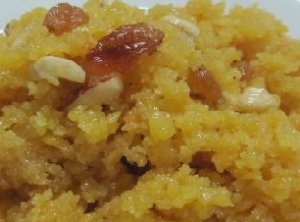
Moong dal halwa recipe

Moong dal halwa recipe with step by step instructions given below; a popular and rich halwa recipe from north India. Moong dal halwa is usually made on celebratory or festive occasions like holi, diwali, marriages etc.

INGREDIENTS FOR PREPARING MOONG DAL HALWA

Measuring cup used, 1 cup = 250 ml

main ingredients:

  • moong dal : 1 cup or spilt husked yellow mung lentils
  • ghee/clarified butter  : 9 to 10 tbsp
  • cardamoms : 4, husked and powdered in a mortar-pestle or ¼ to ⅓ tsp cardamom powder
  • unsalted pistachios : 10-12, sliced or chopped or 10-12 blanched almonds, sliced
  • golden raisins  : 1 tbsp
  • to be mixed together:
  • full fat whole milk : 1 cup
  • water : 2 cups
  • organic unrefined cane sugar or regular sugar : 1 or 1.25 cups

INSTRUCTIONS FOR PREPARING MOONG DAL HALWA

  1. Moong dal halwa recipeSoak moong dal or mung lentils, in sufficient water overnight or for 4 to 5 hours.
  2. Drain and then grind the moong dal to the smooth paste with ¼ or ⅓ cup water.
  3. Melt ghee in a non stick pan. add the ground moong dal. stir well
  4. Keep on stirring the halwa on The low to medium flame. The  halwa has the raw aroma of moong lentils and it should go away completely before you start with the next step. so till then you have to stir and cook the halwa. the halwa first is pasty, then starts getting lumpy and then starts breaking down and getting separated with the fat releasing from the sides. break the lumps while stirring.
  5. meanwhile when the halwa is cooking, in another pan or kadai, take milk, water and sugar. keep this pan on the stove top and stir so that the sugar dissolves. On a low or medium flame, heat this milk-water-sugar mixture till it comes to a boil.
  6. The moong dal mixture should reach a rough consistency before you add the hot milk mixture. you should get a fried aroma from the mung lentils and the color should become a light golden. the fat also should get separated.
  7. When the milk mixture comes to a boil, add it to the fried mung lentils.
  8. The mixture sizzles, so be careful while adding the hot milk and water mixture.
  9. Stir well. Simmer and cook stirring frequently.
  10. The liquid should get absorbed and once again you will see the ghee getting separated.
  11. Lastly add cardamom powder, chopped pistachios and raisins.
  12. Serve moong dal halwa hot. you can also garnish with some pistachios and serve.
  13. The whole process takes a lot of time and work from the hands. You have to stir and stir and stir continuously until we dish out from the flame.

NOTES

  •  1 cup sugar is just sweet which we prefer. for more sweetness you can add 1 or 2 tbsp more of sugar or add ¼ cup sugar extra.
  • The recipe can be halved or doubled.

Photo credit: asiansupper / Foter / CC BY-NC-SA

Sweet potato halwa

0
Spread the love

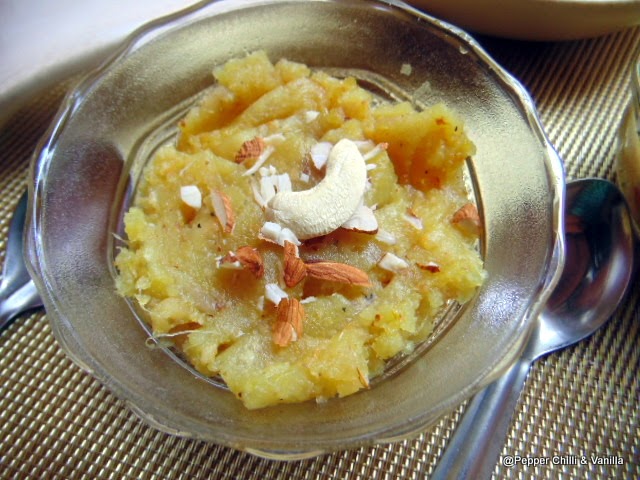
Sweet potato halwa or also called as shakarkandi halwa is an easy and quick dessert you can make for any occasion. This halwa can be had during the fasting, festive occasion or anytime when you want to have something sweet and yet healthy.

Sweet potato halwa

Usually sweet potatoes or shakarkandi are used in making the chaat or are popular during the fasting days. I always add them in the fruit chaat as boiled sweet potatoes gives a nice sweet taste to the chaat.

INGREDIENTS  FOR PREPARING SWEET POTATO HALWA

Measuring cup used, 1 cup = 250 ml

  • Sweet potatoes : 2 medium to large
  • Sugar : 4 tbsp or as required (depends on the sweetness of the sweet potatoes)
  • Ghee  : 7 to 8 tbsp oil or
  • Cardamoms : 3 to 4, crushed or powdered or ½ tsp cardamom powder
  • Saffron  : a pinch
  • Cashews  : 10 to 12, halved or chopped or kept whole

Sweet potato halwaINSTRUCTIONS FOR PREPARING SWEET POTATO HALWA

  1. First, boil the sweet potatoes.
  2. When they become warm, peel and mash them.
  3. Heat ghee in a pan.
  4. First fry the cashews.
  5. Remove when they become golden colour and keep aside.
  6. In the same ghee, add mashed sweet potatoes.
  7. Stir well and saute for 3 to 4 mins.
  8. Add sugar and saute for 4 to 5 mins.
  9. Now add crushed cardamom and stir
  10. Add saffron and stir.
  11. Keep on stirring and cooking the halwa till ghee starts to leave the sides of halwa. This will take approx 10 to 12 minutes on a low to medium flame.
  12. Lastly add the fried cashew nuts and stir again.
  13. Serve sweet potato halwa hot, warm or cold.

Usually sweet potatoes or shakarkandi are used in making the chaat or are popular during the fasting days. I always add them in the fruit chaat as boiled sweet potatoes gives a nice sweet taste to the chaat.

Photo credit: wikioticsIan / Foter / CC BY-SA

Diabetes mellitus (Type 1) also known as Juvenile diabetes

Spread the love

Diabetes 1 is also called as juvenile diabetes or diabetes mellitus or insulin dependent diabetes. It is caused in children and young adults. It is caused due to autoimmune destruction of beta cells of pancreas which produce the hormone insulin. Insulin helps in processing of glucose. Increased level of glucose is seen in blood and urine as a consequence of absence of insulin hormone.

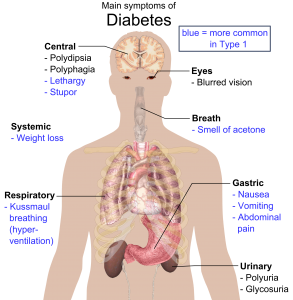
Type 1 Diabetes

Image Source :- http://upload.wikimedia.org/wikipedia/commons/2/28/Main_symptoms_of_diabetes.png

Symptoms of Juvenile diabetes

  • Polyurination (frequent urination)
  • Polydipsia (increased thirst)
  • Polyphagia (increased hunger)
  • Xerostomia (dry mouth)
  • Fatigue
  • Weight loss
  • Blurred vision
  • Frequent infection of skin, urinary tract

Cause for Type 1 Diabetes

The exact cause of diabetes mellitus is still in debate. There are many theories providing the reason of the cause of diabetes. Evidence shows the lack of insulin production is due to destruction of insulin producing beta cells in pancreas. This destruction of beta cells is in turn caused due to the auto antibodies produced against one’s own body due to some alterations in the genotype of affected individual. They hypothesized many theories suggesting the cause of genetic alterations by examining various patients with diabetes mellitus, like some chemicals, virus or environmental factors. Research is still going on the hypothesized theories.

Diabetes mellitus (Type 1) also known as Juvenile diabetes

Diagnosis for Type 1 Diabetes

  • A simple blood or urine test helps in diagnosing.
  • Auto antibody testing (this test is used to distinguish between diabetes type1 and type 2)
  • C-peptide assay (this assay measures the endogenous insulin production)

Treatment for Type 1 Diabetes

Administration of insulin hormone in prescribed amounts is given, this is known as insulin therapy. Individual should be able to understand his own diet and insulin intake and formulate accordingly. Balancing the diet and insulin intake should be taken care. If it is not balanced properly glucose or sugar level drops in blood due to excess amount of insulin hormone injecting, which leads to coma etc. Sometimes due to high levels of sugar in blood caused due to small amount of insulin injecting  leads to complications like diabetic ketoacidosis, nonketotic hyperosmolar coma. Some long term complication include stroke, kidney failure, improper heart function, foot ulcers, damage to eyes etc.

The above are the details of Type 1 Diabetes

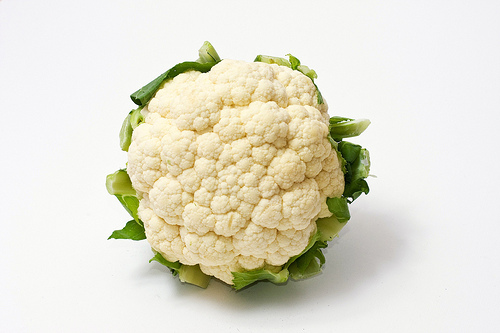
Cauliflowers-protect your kidneys

Spread the love

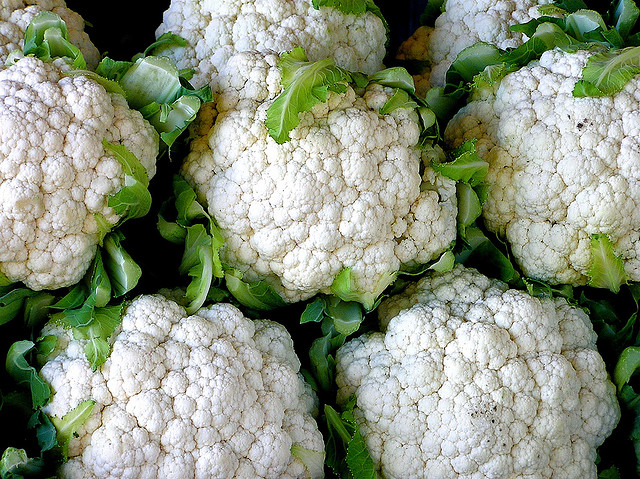
Cauliflower or phool gobi is known as the kidney-friendly vegetable as it helps in reducing the inflammation and oxidation of fats to promote the healthy functioning of your kidneys. This cruciferous, is a vegetable that is part of the cabbage family. Vegetable is packed with the folate, antioxidants and dietary fibres that indirectly helps in the control of various health conditions like diabetes and the heart diseases. All of which might lead to malfunctioning of your kidneys.See how your cauliflower-protect your kidneys.

Cauliflower-protect your kidneysCauliflower and your kidneys

High amounts of sodium and potassium in the body leads to addition of excess water in the kidneys, affecting their functioning. Cauliflower is low in the sodium and potassium, which help in maintaining the fluid levels in your body.

Low in proteins and high in the fibre, cauliflower helps in detoxifying your kidneys to eliminate the toxins and lower the load on these organs. This vegetable also contains the vitamin C that acts as a powerful antioxidant agent to get rid of the amount of inflammation in the body and helps in the proper functioning of the kidneys. Cauliflower also helps to prevent kidney stones and reduces the risk of chronic renal failure, gout and other kidney diseases.

Add lettuce to your diet for 6 healthy reasons

Spread the love

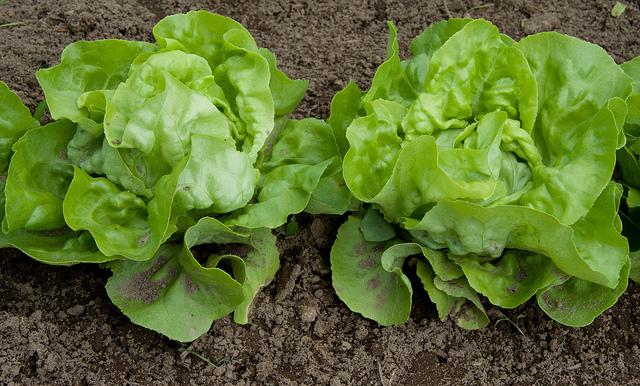
Lettuce is the common ingredient in the salads, sandwiches and burgers that adds greatly to the taste of these foods. This vegetable is quite famous and is one of the most widely used raw vegetables because of its innumerable health benefits. This green leafy vegetable scores high on taste, nutrition as well as its health proportion. Here are the top six reasons to include lettuce in your diet system. Read about

Benefits of lettuce diet

It controls the blood pressure

Like all other green leafy vegetables, lettuce is also rich in magnesium, potassium and fibre. It is because of the presence of these minerals that this raw vegetable helps to maintain the blood pressure levels within the normal range.

It improves sperm motility

Lettuce is loaded with the beta-carotene, an antioxidant that plays a key role in production of healthy sperm along with improving the sperm motility. Add some lettuce leaves to your daily dietary intake and enhance your sexual health.

It is great for weight loss

Lettuce is known to be perfect food for the weight loss as it contains high levels of dietary fibre, 95 percent of water and cellulose. The presence of fibre fills the stomach and makes you eat less, thereby helping in the weight loss process.

It lowers the blood cholesterol levels

The high amount of dietary fibre in lettuce plays an important role in the removal of bile salts from the body. In the process of eradicating these bile salts, there is a breakdown of cholesterol. As a result, the blood cholesterol levels drop, which in turn protects your heart health.


Add lettuce to your diet for 6 healthy reasons
It is good for pregnant women

In case you are pregnant, include lettuce as a part of your regular diet as it contains the wide range of nutrients that are crucial to protection of your baby from inherited defects. This leafy green vegetable is the great source of folate and calcium in addition to various important micronutrients like manganese and iron.

It helps to relieve stress

It is found that lettuce possesses amazing relaxing properties that help to lower stress levels in the body. Add a few leaves of this raw vegetable to your diet or use it in raw salads to fight stress naturally.

It acts as the digestive aid

The high fibre and water content in the lettuce helps with the normal digestion of food. This leafy vegetable is also believed to help provide relief to people suffering from bloating and constipation, by easing the process of digestion and aiding the passage of food through the intestinal tract.

Photo credit: Nick Saltmarsh / Foter / CC BY

Lettuce has been called “the perfect weight loss food” and “rabbit food,” but it is so much more. With amazing healing benefits and calories comprised of 20 percent protein, it could be called “gorilla food” instead.

Top 8 health benefits of coconut

Spread the love

Suitably titled as kalpa vriksha, the coconut tree provides the nutritious source of food and drink such as fruit the inner fleshy part also known as coconut meat, milk and oil which are lengthily used in Indian cookery.  Although this functional food has been widely used in the traditional medicine, its wonderful benefits have been recently unlocked. Here are eight health benefits of coconut are great for you.

Benefits of coconut water

It is good for heart

Being low in sodium and high in potassium, coconut is an excellent food for the people suffering from the high blood pressure. As coconuts contain no trans fats and are gluten-free, they are loaded with the high amounts of dietary fibre, and are good for your heart. Coconuts not only enhance the cholesterol ratio in the body, but also protects your arteries from damage.

It helps in weight management

Coconuts are rich in the fibre and low in calories which means that they make you full faster, and in turn beat hunger pangs. It also increases your metabolic rate thereby promoting weight loss. They not only prevent obesity but also its related health complications.

It helps in better blood sugar control

The presence of fibre in the coconut slows down the release of glucose into bloodstream which in turn lowers the blood sugar levels and controls other complications caused due to diabetes. Apart from that, they also help reduce the amount of strain on the pancreas, helping them function optimally. Read about 10 ways to control diabetes naturally

It protects against infection

Coconuts are loaded with a numerous of healthy nutrients which enhances immunity and keeps diseases at bay. It also has an antibacterial, antiviral and antifungal properties that help to protect you from a wide range of infections and support your overall immune functions. Read about 5 amazing tips to improve your immunity

It improves the digestion

Most of us are unaware of fact that coconut is an excellent source of good fats MCTs – medium chain triglycerides which are beneficial for people with the digestion problems. It also enhances bowel movement and digestion in addition to helping in nutrient absorption.

It prevents from skin infection

The application of coconut oil or milk topically helps in shielding the skin from various infections in an addition to fighting symptoms of skin infections like dermatitis, eczema and psoriasis. It acts as a natural aid to prevent sagging skin, age spots and wrinkles along with softening your skin. Coconut not only helps maintain the chemical balance of your skin but also provides protection against harmful UV rays. Read about tips to manage common skin problems in teens

It promotes the hair growth

Coconuts and their by-products are undoubtedly the best natural aids when it comes to promoting hair growth and preventing hair loss. As coconut milk is loaded with a wide range of healthy nutrients, using it on a regular basis reduces hair loss and hair breakage. Also, applying or massaging coconut oil to your scalp makes your hair strong in addition to controlling dandruff and promoting hair growth.

It gives your energy levels a boost

In case you are feeling tired or stressed out, have a few pieces of coconut to boost your energy levels naturally. It is one of the best nutritional sources of instant energy that improve physical endurance as well as athletic performance. Coconut also helps in relieving symptoms of chronic fatigue syndrome in addition to providing extra energy.

Coconut is powerhouse of an essential nutrients like vitamins, dietary fibre and minerals providing the wide range of health benefits. Have and enjoy its benefits

Trendy Hairstyles for Young Asian Men and Women

Spread the love

Asian men and women have lovely hair patterns and textures and therefore they can flaunt different kinds of hairstyles. Giving stiff competition to the western world, Asian boys and girls are also trying different kinds of hairstyles and making new trends. Read about Trendy Hairstyles for Young Asian Men and Women

Mentioned below are some of the most popular trendy Asian hairstyles that both men and women flaunt:

• Round bob with front bangs

Trendy Hairstyles for Young Asian Men and WomenMost Asians have round-shape and thus this hairstyle suits them extremely well. The round bob with front bangs helps in giving a contoured look to the face. On the other hand, the front bangs fall on the forehead softly and give a lovely appearance. The total hairstyle imparts great shape to the hair.

• Party up top

Trendy Hairstyles for Young Asian Men and WomenIf you the Asian guy who loves loads of fun and has that funky appeal, this hairstyle is just perfect for you. In this hairstyle, the sides and the back of the head are shaved while long hair is left on the top of the head for a good spin and imparts a retro look. The style has a youthful appeal. This hipster look is Sleek straight with long layers

Asian women usually have long, shiny black tresses and the appeal of this kind of hair is there all throughout the world. Sleek sharp layers go excellently with this kind of hair pattern and texture. Side part the hair and straighten the layered hair so that it looks smooth and smart at the same time. This hairstyle is quite popular with Asian women now.

• Spiked hairstyle

Trendy Hairstyles for Young Asian Men and WomenThe popularity of spiked hair is not recent. Various kinds of anime shows initially showed spiked hair and the style became quite popular globally. Any man, who has typical Asian hair, can get spikes, which are long and layered. Though this hairstyle seems most suitable for young Asian kids, even men in young age group flaunt this hairstyle.

• Loose waves with twisted side

Trendy Hairstyles for Young Asian Men and WomenBlack hair looks amazing in all Asian women. And when there are waves in black hair, they look all the more amazing. Take some parts of your hair from the front part of the head and twist them. Fix this hair at the back of the head with pins. This hairstyle peps up the girly and youthful appearance of a woman significantly.

• Faded design

Trendy Hairstyles for Young Asian Men and WomenThe faded hairstyle has become quite a trend with the males in Asia. Different kinds of shapes and designs can be made with the faded style. Give wings to your creativity and get the design done on the head.

• Straight hair with twisted top

Trendy Hairstyles for Young Asian Men and WomenYou can see many Asian women and young girls flaunting this extra ordinary hairstyle. Take a small part of hair from the top of the head and twist the same. Now secure the same at the crown with the help of a nice hair clip. The other segment of the hair should be left loose and open for best style statement.

• Youthful, fun Asian hair

Trendy Hairstyles for Young Asian Men and WomenWild spikes all over the hair, which are held in place with some nice hair gel, impart a great look to Asian men. Many celebrities and well know Asian male personalities flaunt this hairstyle. The best thing about this hairstyle is that it is quick and extremely easy to do. You need some bright clothes and a stylish leather jacket to accompany this attire and you are ready for the show.

Trendy Hairstyles for Young Asian Men and Women

All the above mentioned hairstyles can be done easily, at home without much effort.

Is It Safe To Use Borax On Your Skin

Spread the love

Many people are conscious of the many safety concerns raised about borax. While on some websites it has been categorized among toxic chemical, no such study has confirmed it harmful for the skin when used within normal range. In the case of borax, it is the dose that makes the poison, not the chemical itself. Know regarding Is It Safe To Use Borax On Your Skin.

What is Borax?

Borax, a natural mineral, has got other names too like sodium tetraborate, sodium borate, and disodium tetraborate. People usually mistook it as boric acid while borax is just salt of it. It is chemically different from boric acid and the risk of toxicity associated with it is much milder when compared to its acidic form. In powdered form, borax is white, colorless crystals that get dissolve easily in water.

Use of Borax

Is It Safe To Use Borax On Your SkinBorax has been used extensively by the human kind especially to clean things. We encounter this natural mineral in one or the other form on a daily basis. It has greatly been a part of laundry detergents, skin lotions and a number of cosmetic products that we use in our daily lives. Having emulsifying properties, borax, when combined with wax, helps to improve the consistency of face creams and lotions. It has also been used widely owing hand soaps for greasy hands owing to its abrasive cleansing feature. Being alkaline in nature, this chemical is being added to skin toners and cleansing formulas on a wide scale. Not only this, but it is also added to soap to eliminate oil, bacteria and dead skin cells in case of acne. Being a natural mineral, it has also been successful in finding a place in the home recipe for products like exfoliants and cold creams. Borax helps do away with a number of skin infections naturally, without causing too many side effects.

Is Borax Safe?

Now we have learned that borax is being added to numerous products our skin comes in contact with on a daily basis. So the major question is this chemical is safe for our skin? Studies have shown that a moderate amount of borax in cosmetics or personal care products does not cause any harm to the skin. It is safe till used in moderate amount. Until it gets inhaled, ingested via mouth or enter into the eyes, nothing wrong will happen to you if you follow the recommended amount. Though, Environmental Working Group (EWG) has listed it at 5-6 toxicity level based on the usage.

The studies present in ToxNet database show that borax is very mild lung irritant and cause no long-lasting damage. Being highly alkaline, it does cause mild irritation on the skin but is a lot like the tingling sensation caused by baking soda cure cancer  when used on the skin. Since it does not have the ability to penetrate the skin well, it is considered safe when used in moderate amount. Moreover, it is not a bio-accumulative, meaning its repetitive use does not lead it to build up in your system.

Bottom Line

In all, borax is a teaspoon of natural salt and has nothing inherently toxic component in it. Neither does it cause cancer, nor does it get absorbed into the skin or build-up in the body to increase toxicity.

While talking about its safety, it is harmless till the time it is used in normal dosage. It’s the high dosage of this natural salt that can turn it to be unfavorable for the skin and human body. It has been used in homes in cleansing, exfoliating and skin care products and continue to be used as such till the time no latest study released pointing out its side effect for the skin.

Hansen’s disease commonly called as leprosy

Spread the love

Leprosy is caused due to bacterial infection caused due to Mycobacterium leprae and Mycobacterium lepromotasis. Leprosy got its name as Hansen’s disease after the physician Gerhard Armauer Hansen who discovered the bacteria. Read about Hansen’s disease commonly called as leprosy

what is leprosy

Leprosy is primarily granulomatous disease of the peripheral nerves and mucosa of respiratory tract. Leprosy is spread between people. This is believed to occur through a cough or contact with fluid from the nose of an infected person. It occurs more commonly among those living in poverty and is believed to be transmitted by respiratory droplets.It is not very contagious.

Leprosy Symptoms

  • Initially, infection is without symptoms and typically remains latent for 5 to as long as 20 years
  • Weakness and poor eyesight
  • Skin lesions (light or dark patches) are the primary external sign
  • If untreated, leprosy can progress and cause permanent damage to the skin, nerves, limbs, and eyes.
  • Leprosy does not cause body parts to fall off, although they can become numb or diseased as a result of secondary infections, these occur as a result of the body’s defenses being compromised by the primary disease
  • Secondary infections, in turn, can result in tissue loss causing fingers and toes to become shortened and deformed, as cartilage is absorbed into the bodyHansen's disease commonly called as leprosy

leprosy,  leprosy symptoms, types of leprosy

The two main types of disease are based on the number of bacteria present: paucibacillary and multibacillary.The two types are differentiated by the number of poorly pigmented, numb skin patches present, with paucibacillary having five or fewer and multibacillary having more than five.

Diagnosis

The diagnosis is confirmed by finding acid-fast bacilli in a biopsy of the skin

Detecting the DNA by polymerase chain reaction

Treatment

Leprosy is curable with treatment.Hansen's disease commonly called as leprosy

Treatment for paucibacillary leprosy is with the medications dapsone and rifampicin for 6 months.

Treatment for multibacillary leprosy consists of rifampicin, dapsone, and clofazimine for 12 months. A number of other antibiotics may also be used.

Six healthy reasons to eat more palak paneer

Spread the love

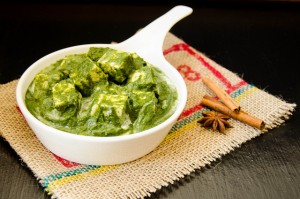
Six healthy reasons to eat more palak paneer

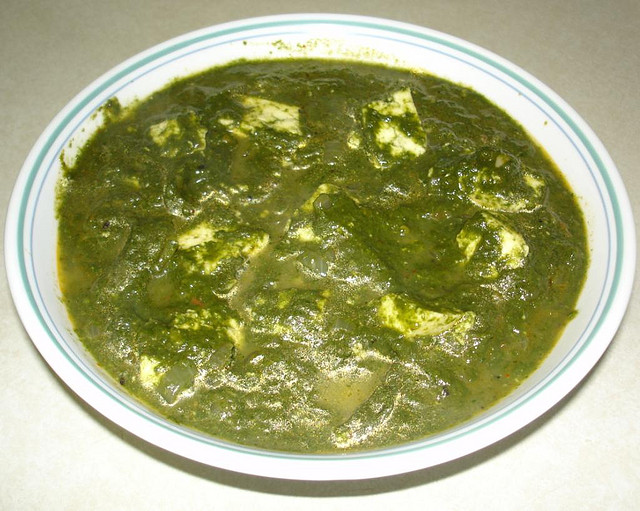
One of most popular and healthy vegetable dishes you would find all over India is palak paneer. It is cooked all over the south western region of Asia and is quite favourite among the children and adults too. Spinach is the great source of vitamins and cottage cheese or paneer gives the calcium and protein. Here are some of the benefits of the palak paneer dish.

Full of nutrition

The dish has vitamin A, vitamin K, magnesium, folate, potassium, calcium and so much more. Since palak paneer is full of calcium and phosphorous it plays the role in heart and muscle function. The vitamins B2 and B12 in cottage cheese help to convert the food into usable energy. Imagine a whole lot of nutrients in one dish. If you are someone who is on a vegetarian meal plan, it would be wise to add this sumptuous dish.

Ultimate weight loss food

When you are preparing your diet plan for the day, do allow you add a palak paneer to it. This dish is very low in calories, has less fat and is filling indeed. The best thing about the spinach is that you can eat it in the chunks but still consume very little calories. Our expert adds, It is a rich source of dietary fibre which helps to control your appetite. So if you are looking for a great fat-cutter and some quick tummy reduction, this dish shall benefit you a hundred percent.

Lowers the blood pressure

Since palak paneer contains spinach, it will lower the blood pressure. Here is how Spinach contains antioxidants which keep cholesterol levels low and open up those arteries in your heart that could be blocked. It also contains folate which is great for cardiovascular system. The content of magnesium in spinach shall surely help to lower the high blood pressure.

Beneficial for the pregnant women

Palak paneer is great for women who are expecting an arrival of a newborn. The spinach in dish supplies a lot of vitamin A which enhances the immune system of the mum to be and her baby as well. The folate found in spinach is essential for te development of baby’s brain and nervous system. Besides, the calcium in cottage cheese helps in overall skeletal development of the baby.

Improves the digestion

Six healthy reasons to eat more palak paneerPalak paneer is beneficial in improving the digestive system. Paneer contains protein case in which easily gets the digested by the body. Spinach helps to protect the mucous lining of the stomach and keeps digestive disorders at bay.

Full of protein

This dish can also contribute to the protein intake. Protein is essential in building the muscles and repairing body tissues. Paneer provides you with all amino acids you need making it a complete protein.

It is one of those rare foods that are full of taste and nutrition. The dish is usually enjoyed with the chapatti or naan. It is complete dish.
Photo credit: rashmi1979 / Foter / CC BY-NC-SA

Measles also known as Rubeola

Spread the love

Measles also known as Rubeola

Measles is a highly contagious infection caused by measles virus. It is also called as rubeola. The virus causing measles infection belongs to paramyxovirus family.  Once infected with measles the individual becomes immune to the virus and it cannot infect second time. Even though vaccination is available, measles infection still prevails in developing countries like Asia and Africa.

Symptoms of Measles

Symptoms usually develop 10–12 days after exposure to an infected person and last 7–10 days. Complications occur in about 30% and may include diarrhea, blindness, inflammation of brain and pneumonia among others.

  •  Initial signs and symptoms typically include fever, often greater than 40 °C (104.0 °F),
  • Cough
  •  Runny nose
    Measles also known as Rubeola
    Measles also known as Rubeola
  •  Red eyes
  • Two or three days after the start of symptoms small white spots may form inside the mouth, known as Koplik’s spots
  • A red, flat rash which usually starts on the face and then spreads to the rest of the body typically begins three to five days after the start of symptoms

Diagnosis for Measles

Measles is generally diagnosed from the combination of symptoms, especially the characteristic rash and the small spots inside the mouth. However, a simple blood or saliva test is usually done to confirm the diagnosis.

Treatment for Measles

Measles also known as Rubeola

Vaccination for measles virus is very effective and it’s the best preventive measure against the infection.

Once infection occurs there is no specific treatment. Supportive care and careful monitoring of the individual’s signs is essential. This may include giving oral rehydration solution (slightly sweet and salty fluids), healthy food, and medications to help with the fever.Antibiotics may be used if a bacterial infection such as pneumonia occurs. Vitamin A supplementation is also recommended.

The above are the Symptoms, Diagnosis and Treatment for Measles. Measles also known as Rubeola

How to prevent premature graying of hair naturally

Spread the love

Ginger:

Chop fresh ginger, mix with the honey, and set aside in a jar. Eat 1 teaspoon of the mixture regularly or daily to prevent premature graying of hair naturally.

Lemon juice:

Mix coconut oil with the lemon juice and massage on your scalp to prevent premature graying of hair naturally.  This process helps you to get shinny and healthy hair naturally.

How to prevent premature graying of hair naturally

Curry leaves:

Boil curry leaves in the coconut oil till the leaves turns to black. Apply on your scalp and hair roots as a hair tonic for the hair loss and bringing back the hair pigmentation. Curry leaves contain a natural pigment to retain the natural colour of your hair. Curry leaves can be used with the buttermilk, or curd to prevent you from premature grey hair.

Table salt:

Take 1 tbsp of table salt with 1 cup of strong black tea without milk. Massage your hair with this water. Rinse off after 1 hour. Follow this home remedy daily to prevent premature graying of hair naturally.

Onion juice:

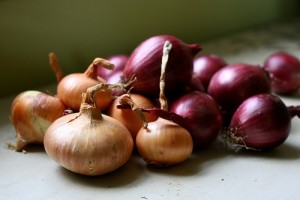
The onion juice is an extremely helpful home remedy in curing the premature graying of hair and giving tinge to your hair. This treatment is very helpful in curing baldness, and hair loss naturally at home.

Black pepper:

Home remedies to prevent premature graying of hair naturallyApply 1 gm of black pepper, and ½ cup of curd for treating premature graying of hair. You can add the juice of lemon in this preparation too.

Amla or Indian goosebery:

Apply amla or Indian gooseberry paste or amla oil on your scalp to blacken and thicken your hair. Massage  hair with this oil and prevent premature graying of hair naturally.

Shikakai:

Soak up 10 to 12 soap nut seeds, and 3 to 4 shikakai pods in 1 pint of water. Soak up 10 to 12 amla pieces separately in 2 cups of water. Boil soap nut seeds with shikakai, and strain this mixture to make a shampoo at home. Strain the amla mixture separately to use as a conditioner. This home remedy is a boon to your hair whether you suffer from graying of hair, thinning of hair, dull hair, or hair fall. This treatment would cure all hair related problems naturally.

Guava leaves:

Guava’s leaves are very effective in curing the premature graying of hair. Make a paste of guava leaves and apply on your hair scalp. It gives curative solution for premature grey. It develops the hair pigment which turns your hair black.

Almond oil:

Apply almond oil, and lemon juice for 30 to 40 minutes as a home remedy to prevent premature graying of hair naturally at home.

Aloe vera:

Apply aloe vera gel for curing premature graying of hair naturally at home

Use all the above home remedies to prevent your hair from premature graying naturally.

Use of Facial Epilators and Best Available Epilators

Spread the love

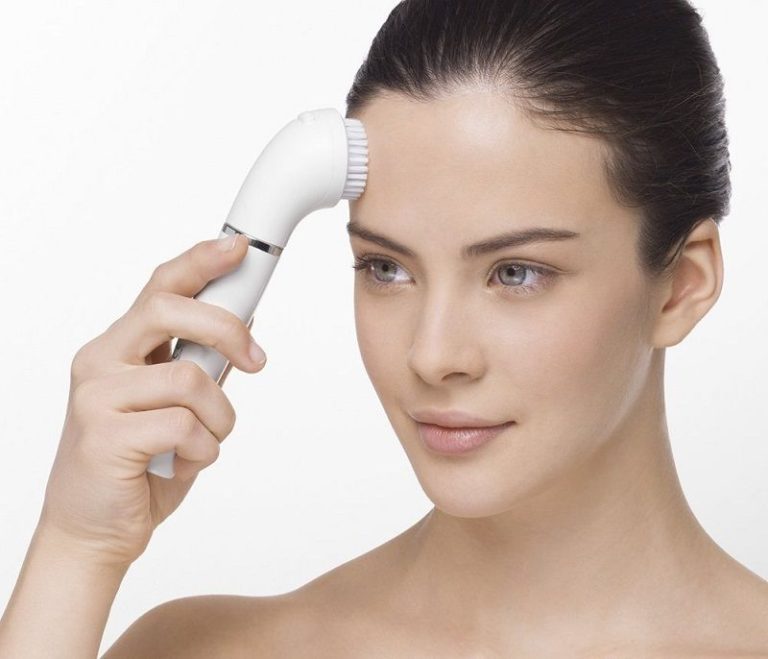
Facial hair can be a real nuisance for every lady. It hides the complexion of the skin and is one of the main culprits behind an irregular complexion. The facial hair also makes it difficult to witness this perfect airbrush look unless you put on a good layer of makeup. Learn Use of Facial Epilators and Best Available Epilators

They look anesthetic and just not feminine. Thus, removing unwanted facial hair is a regular part of the ladies beauty routine unless you are born with very fine and light-colored facial hair.

Why use a facial epilator?

There are many different techniques to remove unwanted facial hair. Hair removal, hair removal with tweezers, threading, using chemical removers, shaving, hair removal are some of the ways that women often adopt to get rid of unwanted facial hair. However, all these methods come with their disadvantages.

Wax, plucking and threading are all very painful and can be harmful to the sensitive skin of the face. Plumage with a tweezer is extremely time-consuming if you have a lot of facial hair. Chemical cleansers are also not safe for the face of the skin. Shaving without pain and the least amount of time always comes with the anxiety of growing thicker stubs on the face.

This is where the facial epilators come in. Epilators remove the hair from their roots and therefore with time the hair growth is seriously reduced.

As in this case, the hair is removed from the root, hence it takes relatively longer to grow back and often the new hairs are much thinner. These are the main reasons behind the growing popularity of facial epilators. However, this process is also painful, especially for sensitive facial skin.

How to Use a Facial Hair Remover?

Before entering into the way to use a facial epilator, let’s first point out that there are two types of facial epilators, electronic epilators, and manual epilators. These two varieties have their own advantages and disadvantages and therefore you should choose one according to your needs and preferences.

Use of Facial Epilators and Best Available EpilatorsHow to use a manual epilator

Step 1:

Before starting waxing clean your face with a proper cleanser and make sure there is no dirt, grime, lotion or makeup glued to your skin.

Step 2:

Hold both ends of the epilator in both hands in the shape of a “U” and roll it on the facial skin from where you want to remove unwanted hair. While rolling on the skin, also roll the ends of the epilator into your fingers. You should move the epilator in the opposite direction of hair growth with a slow but steady movement.

Step 3:

Once you have covered the target area, check if you have achieved the desired results. Otherwise, repeat the process.

Step 4:

Once you’re done, splash your face with plenty of warm water, dry yourself and then follow up with a light moisturizer.

Step 5:

Clean, dry, and properly store your epilator in accordance with the instructions provided in the package.

How to use an electronic epilator

Step 1:

Clean your face properly with a facial cleanser. You should not have any dirt, oil, lotion or makeup on your skin while waxing. Also, pat your skin dry after washing before starting with the process.

Step 2:

Even if you have stored the epilator after cleaning it is a good practice to clean the head once more before starting the process.

Step 3:

Turn on the epilator and set the speed. It is suggested to start with an average speed, then increase or decrease as required.

Step 4:

Press the epilator head against the facial skin of the area from where you want to remove the hairs. Now slip the epilator gently on the skin in the opposite direction to hair growth. Make sure to move the epilator in a slow and even motion.

Step 5:

Once the hair has been removed, splash your face with excess warm water, pat dry and immediately follow with a moisturizer.

Step 6:

Remove the head from the epilator, clean it, dry it and keep it as recommended.

Note: You can use the electronic epilator only on hair with a length of at least 1/4 inch. Trying to depilate hair with less than this length can be more painful and dangerous for the skin.

So, now that you know how to use epilators, we will get to the best epilators available on the market. This list will include manual and electric epilators so you can choose according to your needs and preferences.

Healthy gobi matar recipe

0
Spread the love

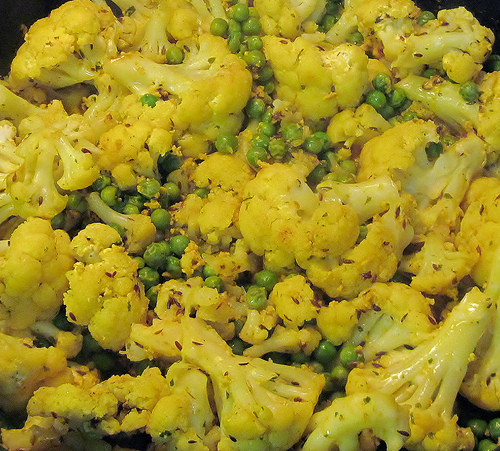
Gobi matar recipe with step by step instructions given below. Gobi or cauliflower is much loved veggie in punjabi household. so it is not surprising that when make cauliflower dish at least once per week.

INGREDIENTS FOR PREPARING HEALTHY GOBI MATAR RECIPE

Measuring cup used, 1 cup = 250 ml

  • Cauliflower or phool gobi : 450 to 500 grams or 1 medium cauliflower
  • Peas or matar : ¾ to 1 cup fresh/frozen
  • Onions : 120 grams or 2 medium sized, about 1 cup finely chopped
  • Tomato : 1 large or 3 small sized, about ¾ cup finely chopped
  • Green chillies : 2 to 3 finely chopped green chilies
  • Ginger or adrak : 1 inch, about 1 to 1.25 tsp finely chopped or minced or grated ginger
  • Garlic or lahsun : 6 to 7 medium sized or 4 to 5 large garlic, finely chopped
  • Caraway seeds or shah jeera : ½ tsp
  • Cinnamon or dalchini: 1 inch
  • Green cardamoms or hari elaichi : 2
  • Star anise or chakra phool : ½
  • Black pepper or sabut kali mirch : 4 to 5
  • Indian bay leaf or tej patta: 1 small to medium
  • Turmeric powder or haldi : ¼ tsp
  • Kashmiri red chili powder or lal mirch powder : ¼ tsp (optional)
  • Coriander powder or dhania powder : 1 tsp
  • Garam masala powder : ¼ tsp
  • Cloves or lavang : 2 to 3
  • Oil : 2 to 3 tbsp
  • Salt as per taste
  • Some chopped mint and coriander leaves for garnish

INSTRUCTIONS FOR PREPARING HEALTHY GOBI MATAR RECIPE

  1. Chop or break the cauliflower or gobi into small pieces.
  2. Clean the cauliflower by dipping pieces into the hot water to kill small insects. Drain and keep aside. If no insects just add the cauliflower directly.
  3. Wash peas and then lighten in hot salted water for 15 to 20 mins. First cook the peas in water till they are almost cooked. then drain and keep aside.
  4. Heat oil and crackle the whole spices like cinnamon, cloves, caraway seeds, star anise, black pepper and indian bay leaf or tejpatta.
  5. Add the finely chopped onions, green chilies, ginger and garlic. Saute till the onions become light brown.
  6. Then add the finely chopped tomatoes.
  7. Then add turmeric powder, red chili powder and coriander powder. Stir and saute till tomatoes soften and you see oil releasing from the sides.
  8. Add the blanched gobi or cauliflower pieces.
  9. Stir well so that onion, tomato and spices mix uniformly with cauliflower pieces.Healthy gobi matar recipe
  10. Cover with the rimmed lid in which water is added. cooking with this technique does not burn cauliflower.
  11. Also you do not need to add any water in the cauliflower. A lot of steam is formed inside the pan which helps in cooking the cauliflower.
  12. Do check the veggie after a some minutes and stir. if the water dries up in the lid, then add more water.
  13. When the gobi is almost cooked, add the peas or matar and garam masala powder.
  14. Stir and cover with the rimmed lid with water in it. cook for a further 7 to 10 minutes on a low flame, till the cauliflower and peas have become tender and cooked well. once done, if there is any moisture in pan, then cook without the lid and let moisture evaporate.
  15. Garnish gobi matar with the chopped mint or coriander leaves. Serve gobi matar hot or warm with chapatis or phulkas.

NOTES

If adding tender or frozen peas which cook faster, then add them when you add the cauliflower pieces.
Photo credit: SaucyGlo / Foter / CC BY

How to make Bread Pakora with Stuffed Potato ?

0
Spread the love

How to make Bread Pakora with Stuffed Potato ?

Bread Pakora Recipe with Stuffed Potatoes . Bread Pakora is a favorite breakfast and tea time snack . Everyone loves it and often make it when its dark, dull, cold and pouring outside. Its a great snack to have during rains.

INGREDIENTS FOR PREPARING BREAD PAKORA

Measuring cup used, 1 cup = 250 ml

For stuffing:

  • Potatoes : 4-5 medium size boiled
  • Green chili : 1, finely chopped
  • Coriander leaves : 2 tbsp finely chopped
  • red chili powder : ¼ tsp or ½ tsp
  • amchur powder – 1 tsp or add more if required
  • black salt or common salt

For the outer crisp coating:

  • besan or gram flour : 3 cups
  • hing : pinch
  • red chili powder or lal mirch powder : ½ tsp
  • garam masala powder : ½ tsp
  • ajwain or carom seeds : ½ tsp
  • Brown or White Bread : 6 slices
  • Water to mix batter
  • salt as per taste
  • oil for frying

INSTRUCTIONS FOR PREPARING BREAD PAKORA

Preparing the stuffing with potato:

  • Peel the boiled potatoes. The potatoes should be fully boiled. Squash the potatoes when they are still warm.
  • Add coriander leaves, green chili, red chili powder, amchur powder, salt to squashed potatoes.
  • Mix these with the squashed potatoes. Check the seasonings and adjust accordingly. Keep aside.

Preparing the besan batter and pakora:

  • In a bowl, take the besan or gram flour.
  • Add ajwain, red chili powder, garam masala powder, hing and salt.
  • Add around ½ cup of water and mix.The batter should not be very thick nor too thin. Check the seasonings and adjust accordingly.
  • Add the few drops of oil to the batter and mix well.
  • Keep the ready batter aside.
  • Assembling and Frying the Aloo Bread Pakora:
  • Before you do the following steps, heat up some oil for deep frying pakoras.
  • How to make Bread Pakora with Stuffed Potato ?On the cutting board, slice the bread into triangle or rectangle slices. I made triangular slices.
  • Keep single triangular slice of bread on your tray or rolling board or cutting board. Take around 2 tbsp of the mashed potato mixture and apply it on the bread evenly.
  • Cover this potato stuffed slice with another slice. you can also apply the green mint coriander chutney or tomato sauce or sweet chaat chutney to this triangular slice before stuffing with potato curry.
  • You have now a beautiful triangular bread sandwich. Just slightly press the sandwich. Take the entire sandwich in your hand and dip it in the besan batter.
  • Coat the stuffed bread sandwich evenly with the besan batter. Be gentle with pakoras. Take care not to keep the stuffed bread sandwich a long time in the batter as the bread tends to break. By now, your oil is hot and you can easily slid the besan batter coated bread sandwich in the oil.
  • Fry the bread pakoras on a medium flame till they are crisp and golden brown.
  • Drain the oil on a tissue.
  • Serve them hot or warm with the tomato sauce or with any chutney of your choice, or even coconut chutney.
  • Enjoy the bread pakodas in rains with a cup of indian ginger chai or masala chai.

NOTES

You can also add some mint leaves and add it to mashed potatoes along with the rest of an ingredients. Add green chilies as it gives a nice zing to the potatoes.
Photo credit: Ignotus the Mage / Foter / CC BY

5 herbal teas work wonder to lose weight

Spread the love

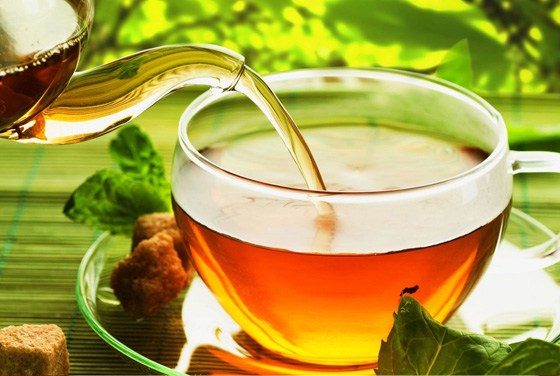
Did you ever imagine that losing the weight could be as simple as drinking several cups of tea per day? As the steaming cup of tea is perfect for soothing sore throat and warming up on the cold night, one great benefit of tea that most of us are not aware of is that it helps to shed weight. Preparing these 5 herbal teas work wonder to lose weight can give you an extra edge in your slimming efforts. You can also lose weight by adding these 5 herbs to your diet.

5 herbal teas work wonder to lose weight

Green tea

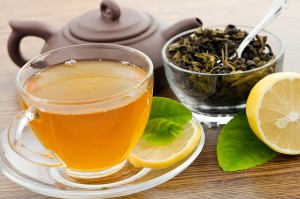
Just 2 cups of green tea can burn away as much as 70 to 80 calories per day. Green tea stimulates the nervous system making fat burning process faster. The tea is especially helpful in reducing the abdominal fat. The antioxidant catechin in green tea enhances your metabolism and helps to burn fat. The compound epigallocatechin (EGCG) also enhances your metabolic rate and reduces your appetite.

Steps to prepare:

For 1 cup of green tea

  • Steep a bag of green tea in hot water for 2 to 3 minutes.
  • Remove the bag and squeeze half a lemon into your cup.
  • You can drink a cup of this tea in morning or before your meals.

Oolong tea

5 herbal teas work wonder to lose weightAccording to research, oolong tea has a stronger effect on the weight loss than green tea. It is a semi-fermented tea that contains larger quantity of polyphenols that can help to boost your metabolism. It promotes the fat burning while reducing cholesterol and concentration of fat in the body. Oolong tea can be shopped online and can also be purchased from the supermarkets and departmental stores.

Steps to prepare:

For 1 cup oolong tea

  • Add oolong tea leaves in boiling water for 3-4 minutes.
  • Strain the tea and add some sweetener, say honey, to the tea according to your taste.
  • You can enjoy this hot cup of tea in between your meals.

Peppermint tea

Peppermint tea can speed up your digestion, thus helping you burn more calories. This light and refreshing tea can balance the sugar levels and reduce cravings, especially for sweets. The strong smell of mint has been shown to control appetite and suppress cravings. A hot cup of peppermint tea after dinner can actually restrain your needs for desserts.

Steps to prepare:

For 1 cup peppermint tea

  • In boiling water, put 2 tablespoons of dried peppermint leaves.
  • Let it steep for 15 to 20 minutes and then strain.
  • You can add some sweetener according to your taste and enjoy your hot cup of tea.

Cinnamon tea

The slightly spicy Peppermint tea is naturally low in calories and can help to regulate blood sugar levels, which could lead to consuming fewer calories and helping with the weight loss. It is also high in polyphenols, which can enhance the rate of your metabolism.

Steps to prepare:

For 1 cup cinnamon tea

  • Crush a handful of cinnamon sticks.
  • In boiling water, add tea leaves, the crushed cinnamon sticks and some milk.
  • You can add a little sugar to sweeten.
  • Boil the mixture for five minutes so that the flavours infuse.
  • Strain and enjoy your delicious cinnamon tea.

Rosehip tea

Rosehip is fruit of rose plant that is typically red or orange in colour. Being rich in vitamin C and flavonoids, rosehip tea has good antioxidant properties that can bolster your metabolic rate. You can find rosehip fruit in stores. You can also directly prepare the Lipton rosehip tea if you cannot find the fruit. Also, say cheers to good health with these eight herbal teas.

Steps to prepare:

For 1 cup rosehip tea

  • Boil a cup of water in a bowl and place a handful of dried rosehips in the bowl of boiling water.
  • Leave the rosehips in the boiled water and let it steep for 10-15 minutes.
  • Strain the water and drink the tea immediately before it gets cold.

Weight loss teas want to increase metabolism or burn fat to be helpful.

Tea that promotes weight loss can do so through the diuretic or thermogenic laws we have discussed, but they can just as quickly aid in other methods— it is all about how to define the weight loss tea.

One tea that frequently features on the weight loss tea files is pure peppermint tea, something that, is not the weight loss tea. Though liquids with the peppermint can work as an appetite suppressor, or as something to divert from having out of boredom, & peppermint is not the only one on this list.

So try above mentioned herbal teas work wonder to lose weight. By having herbal teas we not only lose the weight but also can reap many other health benefits.