
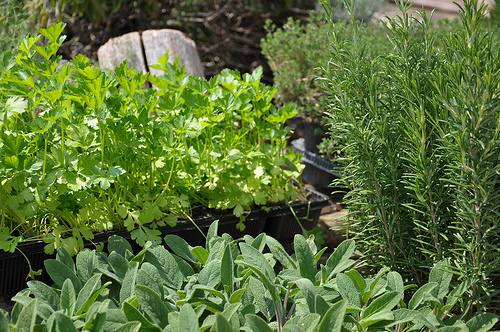
According to Ayurveda, pitta dosha can controls the metabolic reactions in the body. It is made up of water and fire elements, it is this dosha that regulates the process of digestion as well as perception of the world through the sense organs. When pitta is exasperated, a person experiences several problems such as skin rash, diarrhea, heartburn, acidity, premature graying or thinning of hair, irritability, hot flashes, insomnia, and anger. In such situation, the solution lies in an using some herbs to balance pitta dosha and the most important are discussed here.
Table of Contents
Ayurvedic Herbs For pitta dosha
Brahmi
Brahmi refers specially to the ‘Bacopamonieri’ plant although in some parts of India, other herbs such as ‘Gotu kola’ are also called by this name. ‘Brahmiis’ considered strongly revitalizing herb and an adaptogen which helps the body to survive and adapt to stress, both physiological and psychological. Brahmi is said to balance the pitta dosha and also cool body, resulting in better functioning of the bodys’ metabolic systems. Besides, it also has significant action on the functioning of the central nervous system resulting in better learning, concentration and memory.
Cardamom
Cardamom or elaichi refers to blackish brown seeds enclosed within a greenish yellow capsule. Rich in unstable oil made up of terpenes, cardamom has been traditionally used to deal with flatulence, heartburn and irritable bowel syndrome. For persons with pitta dosha, cardamom is considered one of most cooling of spices because of its ability to enhance liver functioning and help in protein metabolism.
How to balance Pitta dosha
Shatavari
Shatavari is herb that has traditionally been used to reinforce the female reproductive system functioning. It has significant pitta cooling and soothing properties and this makes it the herb of choice in treating dyspepsia, irritable bowel syndrome and heartburn. Besides, it also enhances the functioning of the immune cells that help to destroy the pathogenic organisms and cancer cells and thus, has strong immune modulatory action.
Triphala
As the name indicates, Triphala is blend from three fruits ‘Amalaki’, ‘Haritaki’ and ‘Bibhitaki’ are obtained after drying and grinding into fine powder. Due to its exclusive composition, Triphala has very strong purifying & balancing properties for all the pitta doshas. Amalaki is highly rejuvenating and natural antioxidant that promotes the immune system. Haritaki has very strong astringent & laxative properties. Bibhitaki is also an astringent and rejuvenative herb that is mainly helpful for better functioning of respiratory system. When taken in the recommended doses, Triphala can help to balance excess pitta dosha.
Saffron
Widely used as flavoring and coloring agent, saffron has nourishing and blood purifying properties. It is said to have the ability to clear up the blood clots and is called blood mover. The uniqueness of saffron is that it has cooling effect unlike other blood movers that tend to cause heat. Persons with disorders such as arthritis, hepatitis and acne that are due to an irritation of pitta dosha benefit greatly from the use of saffron. This herb is rich source of antioxidants that help in better functioning of immune system and also have protective effect against an inflammation and cancer.
Photo credit: Salvadonica, Chianti, Tuscany / Foter / CC BY
Along with all these herbs, it is also necessary to follow few practices avoid an frustrating the pitta dosha. Avoid eating food that is very hot, allow it to cool to room temperature before consuming. Use foods that are sweet, dry, astringent and bitter, avoid foods that are salty, pungent, sour, and oily. Make time for regular oil massage with oils that have cooling properties such as coconut oil.
Another point to be accentuated here is that understanding pitta dosha imbalances in the body requires consideration of several factors. Therefore, rather than relying on self diagnosis based on an online quiz, it is better to consult qualified and experienced Ayurvedic physician who can guide in the correct use of herbs for particular complaint.
Herbs to balance pitta dosha
 White Vinegar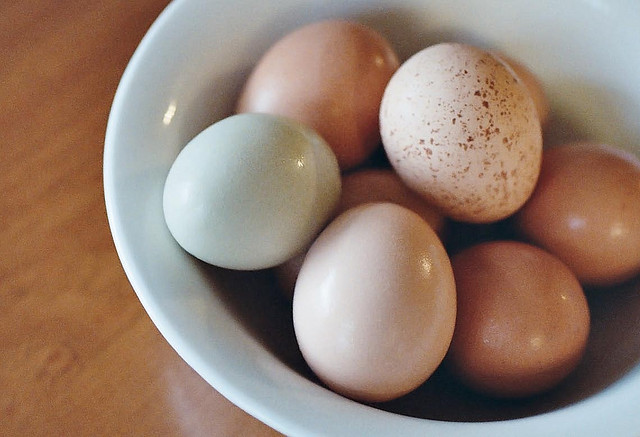
 This is an admirable method to add life to the skin. Before going to the bed, you can take the yellow stuff in egg with the tablespoon of olive oil, apply the mixture to the face and neck. You can cover the face with a slightly warmed up towel. Having holes in the eyes section and nose section for easy breathing and watching, after ten minutes, rinse your face and neck gently with the warm water, immediately you can feel the change.
 Medical Issues
 Procedure
 Heat the tablespoon of sesame or mustard oil with 4-5 crushed cloves of the garlic. Stop heating when the garlic turns the dark brown. Leave it to cool until the lukewarm. If you can not grasp sesame or mustard oil, you can use the coconut oil.


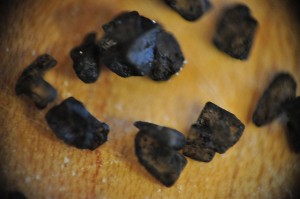 To heal your cracked feet soak them in some black salt dissolved in lukewarm water.
 Curse Of Camphor
 Though this works, it is said to be temporary. Consume a teaspoon of flaxseed oil daily for a couple of weeks. This is one of the natural ways to reduce forehead wrinkles.
 Home remedies for vitiligo
 If you are angry call your best friend. Tell him or her what made you angry and open up your heart with your friend. If you are lucky sufficient to have that special friend then go on and share your angry feelings. This will make you feel complete and calm.
 Blocks Skin Pores


 Exfoliation
 Fish is also included in list of foods that cause body odour. A substance choline present in salmon and tuna fish has the natural fishy smell. This choline might be secreted in sweat for more than 2 days and create a body odour in some people.
 Oranges are the rich source of lemon juice, thereby improves the skin texture. It removes the blemishes and naturally slows down the process of aging. Dry orange peels, crush them into the powder form and store this in an airtight container. Use this as natural scrub once or twice weekly for clear and glowing skin.