Home Blog Page 104

15 Easy Home Remedies To Treat Herpes

Spread the love

1. Lysine
2. Tea Tree Oil
3. Oregano Oil
4. Baking Soda
5. Lemon Balm
6. Echinacea
7. Epsom Salt
8. Aloe Vera Gel
9. Olive Oil
10. Cornstarch
11. Goldenseal
12. Herbal Tea
13. Green Tea
14. Licorice Root
15. Domeboro Powder

1. Lysine for Herpes

What One Needs?

Lysine capsules

What One Has to Do?

Take 500mg dosage of lysine thrice a day.

How Often Does One Need To Do This?

One needs to continue to take the capsules thrice a day until the infection does indeed clear. After that, one does need to take one capsule every day for three months in order to prevent recurrence.

Why This Works?

This simple treatment does work excellently, even for recurring HSV infections. Lysine does indeed stop the virus from replicating and also infecting the human cells. It is also evident to reduce the severity and also the healing time of herpes. One does need to keep in mind that this remedy is not good for genital herpes.

2. Tea Tree Oil for Herpes

What Do You Need?

• Tea tree oil
• Cotton ball
• Eyedropper

What You Have To Do?

1. Apply a small amount of this oil on the affected area making use of a cotton ball or the eyedropper.
2. Leave it on.

How Often One Needs To Do This?

Re-apply the oil thrice a day.

Why This Works?

Tea tree oil has indeed been used since ancient times in order to treat numerous skin problems. It can be made use of to alleviate the pain which is caused by herpes sores. It also happens to be an antiviral agent and will also kill the virus.

3. Oregano Oil for Herpes

What Do You Need?

• Oregano oil
• Cotton ball or eye dropper

What One Has To Do?

Apply a drop or two of this essential oil with a cotton ball on the affected area. Let it air-dry?

How Often You Need To Do This?

Repeat this twice or thrice a day until the herpes infection subsides.

Why This Works?

The carvacrol component of oregano oil causes its antiviral activity. This remedy has been useful for herpes viruses that have developed a resistance to the aciclovir, a commonly used antiviral for herpes treatment. Oregano oil also has anti-inflammatory as well as analgesic properties.
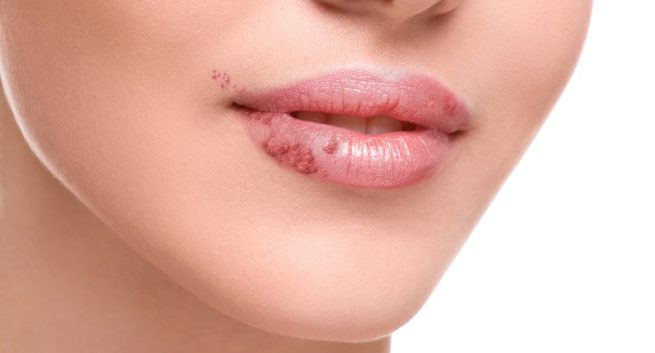
15 Easy Home Remedies for Herpes4. Baking Soda for Herpes

What One Needs?

• 1 tablespoon baking soda
• 2-3 tablespoons water
• Cotton balls

What One has to Do?

1. Mix the baking soda in the water in order to form a solution.
2. Gently rub cotton balls soaked in this given solution on and around those sores.
3. Do not wash away the solution. Make use of different cotton balls every time to prevent further infection.

For genital herpes, one can also add a medium-sized cup of baking soda to warm water in one’s bathtub and soak in it for 10 to 15 minutes, twice a day.

How Often One Needs To Do This?

Repeat this three to four times in a day.

Why This Works?

If the herpes sores on one’s body are oozing, then one may try to make use of baking soda to dry them up. This ingredient can indeed dry the skin surface quickly and also heal the sores. Baking soda also soothes the skin and is a natural antiseptic.

5. Lemon Balm for Herpes

What One Needs?

• 2-3 ml lemon balm tincture
• A cup of warm water
• Cotton ball

What One Has To Do?

1. Add the lemon balm tincture to the water and then also apply this to the affected area making use of the cotton.
2. Leave it on. One can also brew some lemon balm tea and then drink it twice a day.

How Often One Needs To Do This?

Apply this twice or thrice a day.

Why This Works?

Lemon balm is extremely soothing for the skin, and at the same time, it does exert antiviral effects on the herpes virus. It also does reduce the healing time for both oral herpes as well as genital herpes.

6. Echinacea for Herpes

What One Needs?

• Echinacea tea bag or dried herbs
• A cup of hot water

What One Has To Do?

1. Steep the tea bag in some hot water for a few minutes and then remove it.
2. Sip on this decoction in between meals.

How Often Does One Need To Do This?

Do drink, say, up to four cups of echinacea tea in a day.

Why This Works?

The herpes virus is rather susceptible to the antiviral activity of this herb. Echinacea also does work indirectly on the herpes infection by actually stimulating the body in order to produce a strong antiviral effect on the virus.

7. Epsom Salt for Herpes

What One Needs?

• 1 cup Epsom salt
• Warm water
• Bathtub

What You Have To Do?

1. Add the Epsom salt to the bathtub water and also mix well.
2. Soak in this for about 15 minutes. Shower as usual.

How Often One Need To Do This?

Repeat this twice a day.

Why This Works?

This happens to be one of the best home remedies for herpes that does work well for genitals. The salt soak will indeed soothe the itching and pain which is caused by the sores. It will also indeed dry out the sores because of its hygroscopic nature.

8. Aloe Vera Gel for Herpes

What One Needs?

Fresh aloe vera gel

What On Has To Do?

1. Take out the fresh gel from an aloe vera leaf and with a clean finger, apply it on the affected area.
2. Let it dry.
One can also use organic aloe vera gel that one finds in the market.

How Often One Needs To Do This?

Do this thrice a day.

Why This Works?

Aloe vera indeed has more than 70 potentially active components that exert multiple beneficial effects on one’s skin. Application of this gel will rather reduce inflammation, soothe as well as moisturize the skin, have antiseptic and antiviral effects, and also rather quicken the healing process.

9. Olive Oil for Herpes

What One Needs?

• A cup of olive oil
• 10 drops of lavender oil
• 2 tablespoons beeswax
• Cotton ball

What You Have To Do?

1. Warm up the olive oil and then blend with the lavender oil. Then, add some beeswax.
2. Heat it up and thereafter some time, remove from heat.
3. When it does cool down, apply on the sores thus making use of a cotton ball.

How Often You Need To Do This?

Apply this twice or thrice during the day.

Why This Works?

This herpes home remedy provides much relief from the pain and also itching that accompanies the sores. Olive oil has indeed proven antimicrobial as well as antiviral properties. It is not only good for cardiac health but can also be made use to treat herpes infection. Lavender oil will rather soothe the inflamed skin, while beeswax will, of course, moisturize it.

Food Pyramid for Kids – Know the Key Components

Spread the love

What is a Food Pyramid?

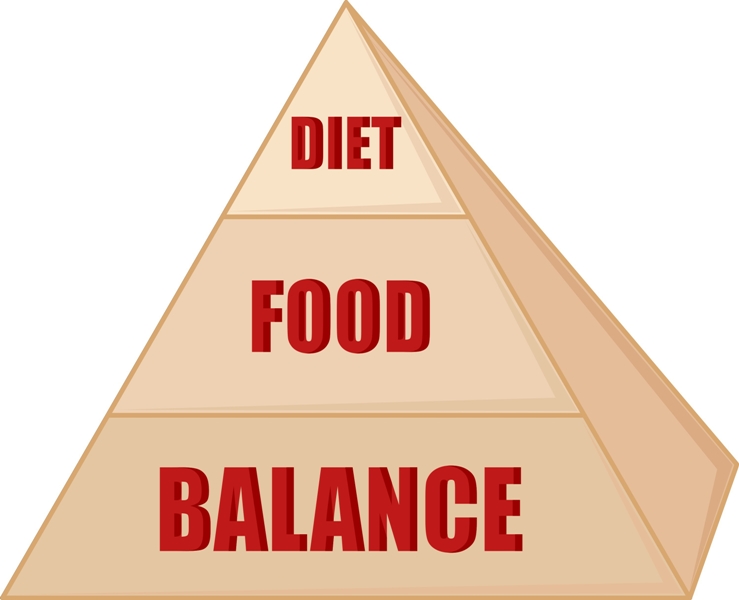
Children do need healthy and balanced food in order to complement their growing bodies. Balanced food does include proportionate amounts of food thus belonging to certain specific, but basic food groups, such as vegetables, grains, and so on. To be able to understand balanced food, a food pyramid is made use of. It is a pyramid-shaped illustration that does provide a pictorial view of the various food items and their appropriate proportions that children need to eat. In other words, it is a food chart that does provide details about the required amount of fats, vitamins, and minerals, proteins, and carbohydrates for one’s children.
The top-most portion is the tapering and does indicate food items that must be consumed in smaller quantities. The lower-most broad portion of the pyramid does indicate food items that can actually be consumed in larger quantities.

A typical food pyramid (top to bottom) does consist of:

• Top tapering layer – Food as well as drinks high in fat, sugar, and salt
• Second layer – Fats as well as oils
• Third layer – Meat, poultry, fish, eggs, beans, and nuts
• Fourth layer – Milk, curds and other dairy products
• Fifth layer – Vegetables as well as fruits
• Sixth layer – Cereals and bread

Why is Food Pyramid Important for Kids?

Growing children do require carbohydrates, vitamins, minerals, protein, fiber as well as fats. However, the amount of each of these important components does differ much depending on the age as well as gender. A food pyramid or chart does provide general guidelines to help out parents to understand the need and components of a complete as well as a balanced diet. Generally, a balanced diet, with adequate nutrients must include at least 3 to 5 food groups in every meal.

When one is in doubt, it is advisable to refer to a food pyramid, which does act as a guideline providing one complete details about the optimal quantities of food components that are essentially required for the healthy growth of one’s child.

Food Pyramid for Kids – Know the Key ComponentsWhat are the Key Components of Food Pyramid?

1. Grains

Children are involved in a lot of physical activities and do need carbohydrates as a source of energy. Grains, that include bread and rotis, are a source of carbohydrates.

Age Group Daily Recommendation (in Ounces(oz)) Food Sources
2 to 3 years 3-5oz · Whole grain bread

· Roti

· Potatoes

· Whole wheat food items like chapattis and pasta

· Rice

· Cereals

· Oatmeal

· Corn

· Barley

4 to 8 years 5-8 oz
9 to 13 years Girls – 5-7 oz

Boys – 5-9 oz

2. Vegetables

Children do need minerals as well as vitamins. Vegetables are a good source of these nutrients. Green-leafy vegetables are rich in nutrients, and it is also recommended to include 5 or even more green as well as colored vegetables in the daily meals of children.

The following table provides a list of the recommended daily servings for children:

Age Group Daily Recommendation (in cups) Food Sources
2 to 3 years 1 cup Vegetables include raw or cooked ones. You can also give them as purees or smoothies. Some of the vegetables include:

· Carrots

· Broccoli

· Beetroots

· Spinach

· Tomatoes

· Leafy greens such as Palak

4 to 8 years 1.5 cup
9 to 13 years Girls – 2 cups

Boys – 2.5 cups

3. Fruits

Fruits are indeed a good source of vitamins and fiber content. Whole fruits are recommended when compared to fruit juices.

Age Group Daily Recommendation (in cups) Food Sources
2 to 3 years 1-1.5 cup Fruits include:

· Apple

· Banana

· Orange

· Peach and many other fruits that your child prefers

· Dried fruits

4 to 8 years 1-1.5 cups
9 to 13 years 1.5-2 cups

4. Milk/Dairy

Milk and dairy products do provide the required amount of calcium, vitamins and proteins for one’s child. These nutrients do help in bone growth and building of strong teeth.


Age Group Daily Recommendation (in cups) Food Sources
2 to 3 years 2 cups · Milk

· Yogurt/ Curds

· Paneer

· Cheese

· Buttermilk

4 to 8 years 2.5 cups
9 to 13 years 3 cups

5. Meat/Beans/Fish

Meat, beans, and fish are indeed rich in proteins that are essentially required for a child’s growth. They do help in building and replacing the tissues in the child’s body.

Age Group Daily Recommendation (in Ounces(oz)) Food Sources
2 to 3 years 2 oz · Meat

· Fish

· Dry beans

· Eggs

· Nuts

· Peanut butter

· Seeds

· Soya beans

· Pulses

· Black beans and green grams

· Peas

· Sprouts

Additionally, the food pyramid also does include fats as well as oils. Fats and oils might sound unhealthy. However, all fats do not come under the unhealthy category. Fats do occupy a small portion of the food pyramid. Children do require an adequate amount of fats and oils as they are still going through a developmental phase and are involved in a lot of physical activities that do require energy. Our body requires fats and oils for the following reasons:

o To protect important organs
o To control body temperature
o To help skin cells, never and brain

Cod liver oil, olive, beans, sunflower seeds, and peanuts are good sources of healthy fats. These sources provide monounsaturated and polyunsaturated fats that are good for one’s child’s health.
One of the most vital requirements that do complement a healthy and balanced food is water. Ensure that one’s children drink plenty of water. Fluids do play an important role in one’s child’s meal. So, one must include items such as watermelon, coconut water, oranges as well as buttermilk as part of one’s child’s meal.

The following is the recommended water intake for kids:

• 5 to 8 years – 5 glasses (1 liter)
• 9 to12 years – 7 glasses (1.5 liters)
• 13+ years – 8 to 10 glasses (2 liters)

What is My Plate and how is it different from Food Pyramid?

Much emphasis these days is being given to good healthy food. Blending an appropriate amount of varied food items can also help one to be healthier in the present as well as in the future. Eating healthy food cannot, in fact, be restricted to a couple of components. It does need to be molded by various factors such as one’s food preferences, stages of life, access to the food items, culture, personal choices and decisions cum traditions.

MyPlate is a colorful plate illustration that does remind people to eat a range of healthy foods and also to ensure that they eat less of some foods and more of other foods. The plate is indeed divided into four parts and that includes a separate section beside the plate thus indicating a side order.

Following are the parts of the plate:

• Vegetables
• Fruits
• Grains
• Proteins
• And a side order of dairy products

Differences between a Food Pyramid and MyPlate:

1. Proper Indication of Food Groups

The representation of food items in a pyramidal structure does indicate that some food items are very important and some are less important. Grains are very essential such as fruits and vegetables. However, in MyPlate, the plate is divided as follows:

• Fruits and vegetables – half the plate
• Grains and protein – around one-quarter of the plate
• The divided portions pictorially give an idea about the required amount of nutrients.

2. Easy, Simple, and Relatable Illustration

The food pyramid has indeed varied bands that do indicate the food groups. This format is not very easy to comprehend. However, MyPlate does follow a simple, easy as well as relatable format. We do make use of plates to eat our food. So, this format of using a plate does indicate the approximate quantities of food groups that are easier to understand. Every time one eats a meal, one can relate to the quantities and then fix one’s meal accordingly.

3. The absence of Fats and Oils

The food pyramid does include fats as well as oils as these are also important components of one’s body. However, MyPlate does not include fats and oils. It is indeed automatically understood that some of our food items are rather prepared thus making use of oils and some food items from the basic food groups that contain fat. So, fats and oils are not actually explicitly included in the plate.

4. The absence of Food Servings

The food pyramid does indicate the number of servings from each food category that one must include in a meal. However, MyPlate does not indicate the number of servings. It just emphasizes the quantity of each food group. It does indicate how to balance the food that one takes.

One needs various guidelines to be able to understand the nutrients that one needs to have a balanced meal, to ensure that one enjoys one’s meal, drink plenty of water and also avoid overeating.

12 Healthy Weight Gain Foods for Babies & Kids

Spread the love

Is one’s baby underweight or malnourished as per its pediatric?

Is one worried that one’s baby is not gaining weight as per the growth chart?

Is one looking for superfoods that can help one’s baby to gain weight?

Super rich foods such as milk, yogurt, desi ghee, sweet potato, and meat are considered as being the weight gaining foods in babies and toddlers.

A newborn usually does regain its birth weight by the time it is 14 days old. The baby also doubles its birth weight in 3-4 months. One can expect one’s baby to triple its birth weight by about 1 year of age.

Does one’s baby have a good appetite? Is the baby underweight or not gaining proper weight?

One is concerned about one’s parenting care approach. One needs to ensure that the baby is eating well. Is active and has a healthy immune system.

The growth of the baby, as well as the weight of the baby, are two separate issues. Baby weight is not of much concern to a mother, but baby growth is.

Foods for 6-month baby to gain weight:

Breast Milk: For babies below 6 months breast milk is sufficient. It is very nutritious, healthy, balanced and a very good superfood for the baby to put on weight. Breast milk is easy to digest so the baby does not have problems of constipation, diarrhea or even upset stomach problems. The baby will gain weight with sufficient breast milk. It is acknowledged as the perfect food for baby. One must keep the baby on breast milk until he or she is six months old. After six months one can start with semi-solid foods as well as solid foods along with breast milk.

Foods for 6 to 9 months baby to gain weight

Banana

It is an excellent source of energy and a single banana does provide 100 + calories. Bananas are high in carbohydrates, potassium dietary fiber, Vitamins C and B 6. They are easy to eat as one can have it at any time. One can start giving bananas after 6 months are over.

12 Healthy Weight Gain Foods for Babies & KidsDesi Ghee (Clarified Butter):

It has much nutritional value. Babies do gain weight. One can introduce ghee after 8 months. One can start with few drops of ghee in kichidi and gradually increase. Fat content is high in ghee. One can prepare ghee from milk available at home itself. One can add ghee to porridge, chapati, paratha or subzi for one’s baby.

Ragi:

It is nutritious millet. It is a very good weight gaining food. It is rich in calcium, protein, iron as well as dietary fiber along with Vitamins B1, B2 as well as other minerals. All these nutrients are good for the baby’s growth and development. Ragi is easy to digest. One must include it in one’s diet. One can prepare ragi cereal or porridge, ragi dosa, ragi idlis, ragi roti, ragi cake, ragi cookies.

Whole cream Yoghurt

It helps in gaining weight. It contains a lot of calcium, vitamins as well as minerals. It is easy to digest. It improves the immune system and is the good remedy for loose motions as well as gastric troubles.

Most pediatricians recommend the introduction of yogurt at 7 to 8 months of age. Cow’s milk must be avoided before 1 year of age. The baby’s tummy cannot digest the high levels of the protein that is present in the cow’s milk. Yogurt is fermented milk and the bacteria available in curds breaks down the milk protein and thus makes it easy to digest. Avoid those with high sugar content.

One can prepare curd rice, smoothies as well as buttermilk for one’s child. One can go in for fruit flavored curd.

Oats

These are rich in fiber and very good dietary nutrient. They are low in saturated fat and cholesterol and contain a lot of iron, magnesium, zinc, thiamine as well as phosphorous. Oats are quite easy to digest for the babies and also prevent constipation and have inconsistent bowel movements. It is a healthy breakfast option for the child. One can prepare oats porridge, oats pancakes, dosa, oats, kheer as well as oats cookies. In order to prepare oats pancakes and dosa, one needs to grind oats in the food processor.

Potato

Starchy foods such as potatoes are rich in carbohydrates. Potatoes contain a lot of Vitamin C, as well as B6 and minerals such as phosphorous, manganese and, are low in calories.
One can give mashed potatoes as they are easy to digest. Potatoes are used in curries. Potatoes are liked by children as a snack and vegetable. They like French Fries.

Sweet Potatoes:

This can be very first food for a 6-month baby. It is easy to mash and digest. It is very tasty and healthy. It contains Vitamin A (beta-carotene), Vitamin C, copper, manganese as well as vitamin B 6. It contains a lot of potassium, magnesium, dietary fiber, phosphorous and is low in saturated fats. Sweet potatoes can be boiled and mashed and can be prepared in milk, kichdi, pancakes, soups as well as halwa9 for toddlers).

Pulses

Pulses are high in calories and also help the baby to gain weight. One can give moong dal soup or dal ka plane as their first food.

Moong Dal as well as Urad Dal are easy to digest and are a healthy option for one’s child. Pulses are rich in protein calcium, iron, magnesium as well as potassium. They are low in fat and high in fiber. One can prepare Dal Khichdi, dal soup, dal chilla, dal halwa.

Avocado

Avocadoes are indeed rich in healthy fats and dietary fiber. They contain essential vitamins as well as minerals. One can give avocado after 6 months. One has avocado in shakes, smoothies, and desserts as well as ice cream.

Kichidi

It is the combination of pulses, rice as well as ghee and does provide much protein and carbohydrates, fat, fiber, calcium, vitamins as well as minerals. It happens to be a perfect balance of nutrients. One can give Kichidi after 6 months onwards. One can make the perfect blend of pulses, ghee, and rice which are good to feed the baby.

Food for 10 to 12 months baby to gain weight

Eggs

They are high in protein, saturated fats and are also packed with much minerals as well as Vitamin A and B 12 and are very healthy for the child. It contains choline which helps in regulating the nervous system as well as the brain.

It is advisable to consult ones’ doctor before giving eggs prior to 1 year of age. One can start with the egg yolk ( yellow part) when one’s baby is 10 months old and also give the white part of an egg when the baby is 1 year of age. Children at times can suffer from “allergies” while having the egg.

Alpha-Fetoprotein (AFP) Test during Pregnancy

Spread the love

An alpha-Fetoprotein (AFP) test happens to be a blood test that does measure the amount of AFP present which is present in the blood. It is usually part of what is referred to as a triple screen or a quad screen in the second trimester of pregnancy. However, it can also be rather useful for adults who are not pregnant.

The yolk sac, GI tract, and liver of an unborn baby does produce AFP. It then also circulates through the fetal as well as maternal blood. Individuals who are not pregnant still do have some AFP in their blood, but levels are usually normally low. High levels of AFP in adults who are not pregnant usually indicate certain types of liver disease.

Why does one need an alpha-Fetoprotein test?

An AFP test is indeed a routine screening test that is given to expectant mothers between the 14th as well as 22nd weeks of their pregnancy. It is very accurate between the 16th and 18th weeks, so it is important to know exactly when one becomes became pregnant.

AFP testing is usually part of a quad screen. This screening exam also does test one’s levels of:

• human chorionic gonadotropin (HCG)
• estriol, which is a hormone produced by one’s placenta and one’s baby’s liver
• inhibin A, which is a hormone produced by one’s placenta

Doctors do make use of quad screen results, one’s age and one’s ethnicity to help determine the chances that one’s unborn baby has a genetic birth defect. Defects are detected by this type of screening can include neural tube defects, such as spina bifida, and chromosomal abnormalities, such as Down syndrome. The AFP results will rather help one’s doctor determine if one needs further tests for these conditions. A positive test does not necessarily mean one’s unborn baby will have a birth defect.

The AFP test is especially important for women who are at high risk of having children with birth defects, including women:

• who are 35 or older
• with a family history of birth defects
• who used harmful medications or drugs during their pregnancies
• who have diabetes

If one was not pregnant, an AFP test can also help to diagnose and monitor certain liver conditions, such as liver cancer, cirrhosis as well as hepatitis. It can also help in detecting several other cancers, including cancers of the:

• testes
• ovaries
• biliary tract
• stomach
• pancreas

Alpha-Fetoprotein (AFP) Test during PregnancyWhat risks are associated with an alpha-fetoprotein test?


There are of course very few risks that are linked up with having one’s blood drawn for an AFP test. One might feel slightly faint or have some soreness or even pain at the puncture site. There is indeed a small chance of excessive bleeding or hematoma, which does occur when blood does accumulate under one’s skin. There is the slight risk of infection at the puncture site.

How is an alpha-fetoprotein test performed?

One needs to get one’s blood drawn for an AFP test. Having blood drawn is an, of course, an outpatient procedure that is usually performed at a diagnostic lab. The procedure does take only a few minutes and is also relatively painless. No special preparation is necessary before an AFP test.

A healthcare professional will also make use of a small needle to withdraw blood from a vein, usually in one’s arm or hand. A laboratory specialist will rather analyze the sample. Results are typically available within one to two weeks.

What do the test results mean?

For women who are not pregnant as well as men, the normal amount of AFP is usually less than 10 nanograms per milliliter of blood. If one AFP level is unusually high but one is not pregnant, it may also indicate the presence of certain cancers or liver diseases.

If one is pregnant and has higher-than-normal AFP levels, it can also indicate a neural tube defect in one’s developing baby. In fact, the most common cause of elevated AFP levels is rather an inaccurate dating of the pregnancy. AFP levels do vary widely during pregnancy. The test will be inaccurate if one is pregnant for a longer or shorter period of time than one thought.

If one is pregnant and one’s AFP level is unusually low, it could also indicate that one’s fetus has a chromosomal abnormality, such as Down syndrome or Edwards syndrome.

One can have an abnormal AFP reading on account of multiple pregnancies, such as having twins or triplets. An abnormal AFP reading can also be due to fetal death.

If one has abnormal test results, it does not imply necessarily that one’s child will have a birth defect. It only indicates that more tests are necessary for one’s doctor to make a diagnosis. One’s doctor may perform another AFP test followed by an ultrasound to record images of one’s unborn child.

One’s doctor may order a more invasive test, such as an amniocentesis if one’s results are still abnormal. In amniocentesis, one’s doctor does make use of a needle to withdraw a small amount of amniotic fluid from around the fetus for analysis.

15 Early Pregnancy Symptoms before a Missed Period

Spread the love

In the case of some women, it is indeed possible to notice pregnancy symptoms before a missed period. In several cases, the earlier someone knows that they are pregnant, the better. For this reason, particularly, it is very important for every woman of childbearing age, and who happens to be sexually active, to be able to recognize pregnancy symptoms before a missed period.

Some of the most accepted common pregnancy symptoms before a missed period include fatigue, nausea, sensitivity to smell, higher body temperature, tender breasts as well as increased urination, and so forth.

Tender Breasts

One of the first hormonal responses as an aftermath of fertilization are the changes in one’s breasts, which do start preparing for developing milk to feed one’s baby. This can indeed also happen in the first week or so, and so one’s breasts may feel sore, heavy or unusually tender while being touched.

Urination

If one notices that one is going to the bathroom far more frequently than usual, it could be that the initial increase in blood that one’s body will start producing after conception.

Sensitivity to Smell

One’s senses can indeed react in strange ways to the pregnancy, and a heightened sense of smell may also be one of the first as well as strongest reactions. This can make one sense to feel more powerful, but also change one’s olfactory response to certain foods or substances that one found to be pleasant.

15 Early Pregnancy Symptoms before a Missed PeriodBody Temperature

From the moment of conception, one’s body gets to work on the foundation of having to carry a child. This work will indeed require energy, and will also likely cause one’s basal body temperature to rise, almost giving one the sensation of being feverish, in some situations.

Fatigue

When one’s body detects a pregnancy, and the egg has been implanted in one’s uterus, one’s body will indeed release a number of hormones that include progesterone, which can rather cause surprisingly strong periods of fatigue even at early stage of pregnancy.

Nausea

Some of the cases of morning sickness happen to be due to direct response to the rush of hormones that fill one’s body, which can also happen in the first week or so of pregnancy, before a missed period. This nausea, as well as vomiting, can be quite unpleasant, but often it acts as the first indication that one may be pregnant.

Bloating

When progesterone is indeed released into one’s body, it can cause a decrease in activity in the gastrointestinal tract, meaning that more intestinal gas can build up, thus causing one to feel bloated long before one misses one’s period.

Dark Areolas

The changes that occur to one’s breasts do take place in pregnancy, and in the case of one’s areolas and they can darken as well as widen in diameter in the first few weeks of pregnancy. This is also a clear indication of being pregnant, but this does not happen to every woman, and in some cases, that will happen much later in one’s pregnancy.

Mood Swings

With drastic shifts in one’s hormonal levels within a week or two of conception, mood swings do indicate that something is going on with one’s body, as well as pregnancy.

Food Aversion

One’s preference or distaste for certain foods can happen very rapidly after one becomes pregnant. While several women claim that their preferences, as well as dietary cravings, do not happen until the second or third month, the hormonal changes that do affect the sense of taste can happen much earlier.

Dizziness

As one’s blood pressure gets suppressed early on in one’s pregnancy, it is possible that one will feel some sense of dizziness or lightheadedness before one does miss a period and also suspect that one maybe with a child.

Constipation

One of the most common symptoms of pregnancy, which can start almost immediately following conception, as the burst of progesterone can indeed affect one’s gastrointestinal system functions.

Headaches

Blood pressure fluctuations, as well as increased stress levels in one’s body, can indeed manifest in headaches or even migraines in the weeks after fertilization.

Spotting/Bleeding

Some bleeding is normal about 5-10 days following fertilization of the egg when it is implanted in one’s uterus, but this still may occur before one’s period is due.

Excessive Thirst

Dehydration is, of course, a major danger for pregnant women, as it can affect one’s health and the wellness of one’s baby. If one’s throat is constantly parched and one needs constant hydration, it may be an early symptom of pregnancy.

15 Amazing Benefits of Cranberry Juice

Spread the love

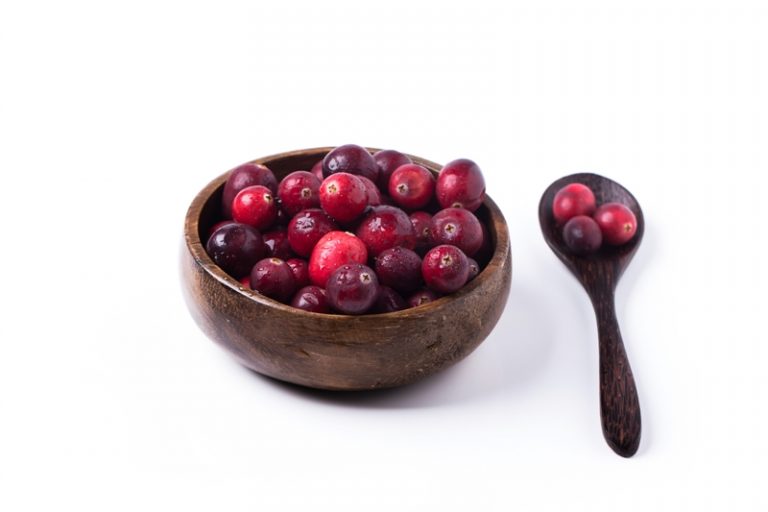
There are indeed several health benefits of cranberry juice that do include relief from urinary tract infection (UTI), respiratory disorders, kidney stones, cancer, and heart diseases. It is also indeed beneficial in preventing stomach disorders and diabetes, as well as gum diseases caused by dental plaque. Phytonutrients, which are naturally derived, plant compounds, that are present in the fruit juice and also have been found to prevent a wide range of health problems.

What is Cranberry Juice?

Cranberry juice is the juice that is made from cranberries, which are one of the native fruits of North America. The juice is rich in nutrients and is also useful in food as well as in medicinal products. The Latin name for the cranberry plant is Vaccinium macrocarpon. Cranberries have a tremendous amount of anti-oxidant capacity as compared to other types of vegetables and fruits such as broccoli, spinach, and apples. One cup of cranberries measures a total 8983 antioxidant capacity.

Uses of Cranberry Juice

Cranberry juice, is made from the fruit extract or cranberry concentrate, that is used to make various sauces and cranberry juice cocktail. About one liter of juice can be extracted from 1500 grams of fresh cranberries. Cranberry juice cocktails are indeed approximately 30% pure cranberry juice mixed with artificial sweetener or fructose.

The fruit extract is also made use of to make medicines, gels, and tonics for its healing benefits. Dried cranberries are also very healthy and can also be enjoyed with breakfast cereals, energy bars, granola bars, trail mixes that can be added to muffins.

Nutritional Value of Cranberry Juice

Cranberry juice is rich in antioxidants, vitamin C, and salicylic acid. By containing only 45 calories per cup, cranberry juice does fit very well within the dietary guidelines. It provides energy, protein, and carbohydrates. As far as minerals are concerned it has calcium, magnesium, iron, phosphorus, sodium, potassium, and zinc. It also contains vitamins such as thiamin, riboflavin, niacin, vitamin B6, vitamin E (alpha-tocopherol), and vitamin K (phylloquinone). Cranberries are members of the Ericaceae family and are native to North America.

15 Amazing Benefits of Cranberry JuiceHealth Benefits of Cranberry Juice

Cranberry juice has been in use for long time for curing various illnesses.

Prevents Urinary Tract Infections (UTI)

A urinary tract infection does refer to the existence of certain micro-organisms in the urine that do exceed normal levels. These infections can also develop in the bladder and also causes cystitis in the kidney to cause renal parenchyma, or in the prostate, resulting in bacterial prostatitis. Studies have also shown that cranberry juice does contain proanthocyanidins that does possess anti-clinging properties, which do prevent the bacteria from binding itself to the cells on the walls of the bladder. These compounds do prevent bacteria from multiplying further and also flush them out of the body through urination.

Research does indicate that drinking cranberry juice regularly does help prevent recurring UTIs in middle-aged a well as among pregnant women. It is beneficial in reducing the risk of UTI amongst women undergoing elective benign gynecological surgery. Cranberry juice may also be able to help in preventing pediatric urinary tract infection

Antitumor Effects

The anti-tumor efficacy that has been offered by cranberry juice is indeed been attributed to the presence of polyphenolic compounds within the fruit. Studies do suggested that regular consumption of cranberry juice does inhibit the development as well as spreading of lung, breast, colon, prostate and other cancers. Cranberry juice does contain a high amount of salicylic acid which can also help reduce swelling and prevent blood clots, and eliminate tumors.

Improves Cardiovascular Health

Cranberry juice can also help lower the risk of heart-related ailments and also assist in sustaining cardiovascular health. The flavonoids present in cranberries have antioxidant properties and can decrease the threat of atherosclerosis. Atherosclerosis is a disease in which the arteries are indeed narrowed on account of the build-up of fat, calcium, and cholesterol found in blood. This does obstruct the flow of oxygen-rich blood to various parts of the body and can also lead to potentially fatal outcomes such as heart attacks as well as strokes. These compounds have indeed shown to delay as well as suppress the oxidation of low-density lipoprotein (LDL cholesterol) and also beneficially stimulate the blood platelets.

Prevents Tooth Decay

Cranberry juice does prevent tooth cavities. Proanthocyanidins, a chemical compound present in cranberries does inhibit harmful bacteria from clinging to teeth. These components do inhibit acid production and also protect the teeth from periodontal diseases by preventing the growth of plaque. Good oral hygiene, along with the consumption of cranberries, does disrupt the pathogenic mechanism of dental caries and generally does make for good dental health. One needs to watch out for its sugar content.

Avoids Respiratory Infections

Cranberry juice does help inhibit certain strains of the Haemophilus influenza, which is a common cause of ear and respiratory infections among children. The juice does inhibit the bacteria’s hair-like structures, thus inhibiting them from adhering to the surface of the skin.

Prevents Cancer

Cranberry contains proanthocyanidins, which does inhibit the growth of various cancer cells. Studies have also suggested that diets rich in flavonoids do play a fundamental role in reducing the risk of cancer as well as cancer mortality. Cranberry juice also contains anti-carcinogenic components that do interfere with the growth of cancer cells, particularly those that are associated with colon and prostate cancer. Proanthocyanidins can stop micro-tumors from developing in the blood vessels. Regular intake of cranberry juice does prevent the rapid growth of tumors. Chemicals prevalent in cranberries also prevent the multiplication of breast cancer cells.

Strengthens Bones and Teeth

Although cranberry juice is a natural source of calcium, many juice companies do add extra calcium to cranberry juice. Natural or otherwise, calcium does reduce the risk of getting osteoporosis.

Cures Cold

Fresh cranberry juice is effective in fighting infections. It does cure sore throats as well as colds.

Weight Loss

Cranberry juice is also rich in organic acids, which do have an emulsifying effect on the fat deposits in one’s body. One must lose extra kilos.

Prevents Kidney Stones

The high amount of acid components in cranberry juice does prevent kidney stone formation.

Treats Peptic ulcers

Foods rich in flavonoids, such as cranberries, apples, and garlic does help reduce the risk of stomach disorders, including stomach ulcers, by inhibiting the growth of H. pylori bacteria.

Prevents Scurvy

Deficiency of vitamin C can cause scurvy. Cranberries do provide high levels of vitamin C, which are also vital for the body to make collagen, which is essential for the healthy functioning of tissues.

Treats Lung inflammation

The anti-inflammatory effects of cranberry juice have proved to be effective against the inflammation that has been caused in the lungs by the influenza virus. A substance called nondialyzable material or NDM that is present in cranberries does prevent the influenza virus from sticking to the cells, thus preventing a flu infection.

Anti-aging Benefits

Phytonutrients and antioxidants that are available in cranberries help in protecting the problems that do develop with age, such as memory loss and also lack of coordination. Cranberries do have a multitude of therapeutic properties that do protect the cells from damage caused by unstable molecules referred to as free radicals that cause aging, and thus helps in making the skin look younger.

How To Prevent Altitude Sickness – Symptoms, Causes Plus Diet?

Spread the love

Mountaineers do suffer from altitude sickness at times and others also do feel the same way and go in for hiking mountains or climb high altitudes. One wants relief no doubt.

What Is Altitude Sickness?

At high altitudes, one’s body may not get sufficient oxygen. This lack of oxygen does cause altitude sickness. It is more prominent in individuals who are not accustomed to such heights.

Altitude sickness should not be treated lightly as it can be rather unpredictable as well as dangerous.

Signs and Symptoms of High Altitude Sickness

The primary symptoms of altitude sickness are:

• Fatigue or weakness
• Insomnia
• Frequent headaches
• Nausea
• Vomiting
• An increased heart rate
• Shortness of breath

Some more severe symptoms are:

• Discoloration of the skin (skin may become blue, gray, or paler)
• Confusion and inability to think
• Constant coughing
• Unconsciousness or decreased consciousness
• Coughing up blood
• A tightness in the chest
• Unconsciousness or decreased consciousness
• Shortness of breath even at rest
• Inability to walk in a straight line

Types of Altitude Sickness

• Acute Mountain Sickness (AMS)

This is the very common form of altitude sickness, and one feels intoxicated.

• High-Altitude Cerebral Edema (HACE)

This can lead to High-Altitude Cerebral Edema (HACE) in case it persists. This is a severe form of AMS, whereby one’s brain ends up swelling and also ceases to function normally. Other symptoms are drowsiness, irritability, confusion, and one facing trouble in walking.

• High-Altitude Pulmonary Edema (HAPE)

This type of altitude sickness that happens is a progression of HACE, but it may also occur on its own. It is a result of an excess fluid build-up in one’s lungs, thereby disrupting their functioning. The symptoms of HAPE do include increased breathlessness, weakness, as well as severe coughing. HAPE must indeed be treated immediately, either by lowering altitude or taking supplementary oxygen, as it can otherwise lead to death.

Causes and Risk Factors for Altitude Sickness

When one’s body does not get accustomed to the higher altitudes, then one may immediately begin to show symptoms of altitude sickness. As the altitude does keep increasing, there is less oxygen available, and this does lead to altitude sickness.

Factors causing the higher risk of developing altitude sickness are:

• A history of altitude sickness
• Climbing more than 1600 feet per day
• Rapid ascending

One must go in for a proper diagnosis.

Home Remedies to Reverse Altitude Sickness

1. Vitamins

Antioxidants do help one breathe more easily at high altitudes. Nutrients like vitamins C and E can do wonders in this aspect as the two are antioxidants and can indeed enhance one’s immunity.
Foods that are rich in these vitamins do include citrus fruits, spinach, kale, papaya, almonds, hazelnuts, and sunflower seeds. If one wishes to take additional supplements for these vitamins, one may do so after having a word with one’s nutritionist or physician.

2. Coca Leaves

One Will Need

• A few coca leaves
• A little lime juice

What One Has To Do?

Mix a few coca leaves in the little bit of lime juice and then simply chew on them whenever one is ascending.

How Often One Need To Do This?

One must only do this during or prior to a hike or travel to an elevated area.

Why This Works?

Coca leaves are rather found to help during one’s exercise routine, even at higher altitudes. Their effect was indeed felt over a prolonged period, which does make them a great option for relieving symptoms of altitude sickness as well

3. Essential Oils

a. Peppermint Oil

One Will Need

• 3-4 drops of peppermint oil
• 1 teaspoon of olive oil (or any other carrier oil)

What One Has To Do?

1. Add three to four drops of peppermint oil to a teaspoon of any carrier oil and then mix well.
2. Apply this to the back of one’s neck as well as temples.
3. One can also add a few drops to a tissue or a handkerchief and then sniff it from time to time.

How Often Should You Do This?

One must do this as and when required, preferably soon after a climb.

Why This Works?

Peppermint oil does contain menthol that does make breathing easier. Altitude sickness often does make breathing a difficult task, which is why this remedy does wonder.

b. Lavender Oil

One Will Need

• 3 drops of lavender oil
• 1 teaspoon of olive oil (or any other carrier oil)

What One Has To Do?

1. Mix three drops of lavender oil with a teaspoon of any carrier oil.
2. Rub it on one’s temples and behind one’s neck.
3. One can also inhale the aroma of lavender essential oil for added benefits.

How Often Should One Do This?

One does this prior to or even while going to a higher altitude.

Why This Works?

Lavender oil does help calm one down by relieving headache as well as nausea that does accompany altitude sickness, which can be attributed to the powerful anti-inflammatory as well as analgesic properties of the oil.

4. Ginger

One Will Need

• A few slices of chopped ginger
• Ginger candy or tea (optional)

What One Has To Do?

1. Chew on small pieces of chopped ginger while going to an elevated altitude.
2. Alternatively, one can also suck on ginger candies or even drink ginger tea whenever one feels uneasy.

How Often Should You Do This?

Begin this treatment before the onset of the symptoms as a preventive measure or even after the symptoms start to surface.

Why This Works?

Ginger is widely used to relieve symptoms of nausea as well as vomiting during pregnancy, both of which also do surface with altitude sickness. This can be attributed to its anti-inflammatory properties.

5. Garlic

One Will Need

2-3 garlic cloves

What You Have To Do?

Chew on small bits of garlic cloves as one begins ascending.

How Often Should You Do This?

One must do this as and when required during one’s travel.

Why This Works?

Garlic is found to cause blood thinning due to its anti-platelet properties. Although this can prove fatal during a surgery or other such circumstances, it is very useful for treating altitude sickness. At high altitudes, your blood flow is often reduced, and garlic can help restore normal blood circulation.

6. Pickle Juice

One Will Need:

A small bottle of pickle juice

What One Has To Do?

Sip on a little pickle juice as one makes the ascent.

How Often Should One Do This?

One must do this only when one travels to higher altitudes.

Why This Works?

Pickle juice contains plenty of electrolytes as well as minerals such as potassium and sodium. Since one tends to get dehydrated at higher altitudes, sipping on some pickle juice can rather help restore the lost electrolytes and also prevent altitude sickness altogether.

7. Lemon Juice

One Will Need

• ½ lemon
• 1 glass of water
• A pinch of salt

What One Has To Do?

1. Squeeze out the juice from half a lemon and mix it with a glass of water.
2. Add a pinch of salt to it and then sip on this solution while traveling to higher altitudes.

How Often One Needs To Do This?

One needs to whenever one fears the onset of altitude sickness.

Why This Works?

Nausea, as well as vomiting, are some of the basic symptoms of altitude sickness that make one feel quite uneasy. Drinking lemon juice or even simply sucking on a cut lemon piece can indeed help relieve these symptoms almost instantly.

Best Foods to Eat for Preventing Altitude Sickness

Here is a list of carbohydrate-rich foods that can help prevent altitude sickness and even cut the risk:

• Energy bars
• Oatmeal with raisins
• Whole wheat pancakes or waffles
• Sandwiches low in fat
• Sports drink
• Rice
• Pasta

Also, you must avoid fatty foods like pizza, French fries, etc.
One must not take altitude sickness lightly.

12 Valuable Benefits of Pineappleweed Medicinal Uses

Spread the love

One does come across a number of valuable medicinal uses of pineapple weed, which include its role in preventing parasitic infection, aiding sleep, reducing fever, boosting one’s immune system, improving skin health, speeding healing, soothing one’s digestive system, lowering stress levels and also increasing milk production. There are also some important side effects to be aware of, such as severe allergic reactions, skin inflammation and stomach upset. If one were using this herb for the first time, one needs to consult with a doctor about one’s specific medical conditions, and also be sure that one is preparing/using this herb in the proper way.

What is Pineappleweed?

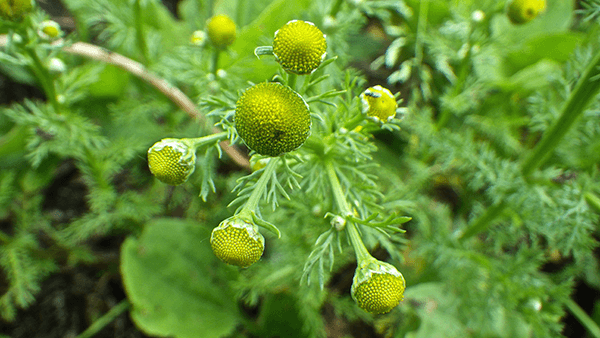
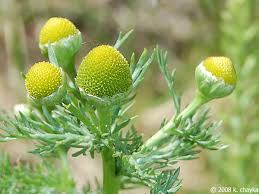
Pineappleweed goes by a number of common names that include wild chamomile and disc mayweed and is scientifically referred to as Matricaria discoidea. Native to North America, this plant does grow roughly to 1 foot in height and also bears yellow, cone-shaped flower heads that resemble small pineapples. It is interesting to note that when the flowers are crushed, they also do give off a slight aroma of pineapple, as well as the aroma of chamomile, hence the usage of common names.

The cone-shaped flower heads are a rather valuable part of this plant, as they are rather used to either dried or fresh, most often in pineapple weed tea, which has a clear pineapple scent when rather brewed. One can also eat the dried or cooked flower heads for an energetic burst, which is why these flowers are indeed often, included in homemade trail mixes. The dense nutrient content of this herb does include myrcene, germacrene, and geranylisovalerate, as well as various tannins and glycosides.

Pineappleweed Medicinal Uses

Pineappleweed has medicinal value being in use for thousands of years by indigenous peoples in both North America as well as Northeast Asia. Some of these uses do include brewed in a tea, topically applied after solvent extraction, eaten indeed for its internal benefits and cultivated to repel insects.

Tea:

Dry flower heads of pineapple weed are often used to brew an herbal tea, and this does remain the most popular usage of this herb. One only needs 5-6 flower heads and can add honey to sweeten the flavor or dilute the taste of pineapple.

12 Valuable Benefits of Pineappleweed Medicinal UsesTopical Use:

Through a process of solvent extraction, one can pull some of the essential oils out of the flower heads and infuse other carrier oils with it. This can then be topically applied to skin irritation and sore joints. Alternatively, the tea can also be allowed to cool and then applied to the affected area with a compress.

Consumption:

Many people choose to eat the flower heads of pineapple weed because they are dense with nutrients and can also provide an energy boost during an active day. Excessive consumption can cause allergic reactions, however, so one needs to use with caution.

Insect Repellent:

Another popular medicinal use of this herb is to simply allow it to grow in one’s home or garden. The scent of this herb works as a very effective insect repellent, and in areas of the world where a disease is often spread via mosquito bite, this is definitely a beneficial plant to have around.

Pineappleweed Health Benefits

One comes across several health benefits of making use of pineapple weed for people who are suffering from fever, insomnia, parasitic infections, chronic pain, inflammatory conditions, skin irritation, wounds, indigestion, stress, low milk production, anxiety as well as a weak immune system.

Insomnia

One of the oldest and most trusted benefits of making use of the pineapple weed herb is its sedative effect, which is very excellent for people who are suffering from insomnia and other sleep disorders. If one regularly suffers from interrupted sleep or wakes up feeling tired, one can try a cup of pineapple weed tea before going to bed.

Analgesic

For pain relief, both topical, as well as internal, drinking this tea and also applying the cold tea to the painful area, are very good options. The active compounds do quickly numb the area and also provide much relief from one’s chronic or acute pain.

Skin Health

This herb has certain antimicrobial and antibacterial properties, combined with antioxidants that do help in improving the appearance as well as the health of the skin. Applying a small amount of the tea or extracted oil on the site of psoriasis, eczema, insect bites and also even wrinkles that can help minimize their appearance and speed healing.

Stress and Anxiety

The aromatic compounds available in pineapple weed have been associated with lower levels of stress and anxiety, on account of the herb’s sedative effects. One can drink herb in tea form or eat its dried flower heads to help balance one’s mood and prevent depressive episodes prevent depressive episodes.

Breast Milk

As a galactagogue, pineapple weed can also help to stimulate the production of breast milk. For new mothers, this can also be important as many women do struggle to produce sufficient milk for their child. Pineappleweed should not be consumed by pregnant women, although it is quite safe for breastfeeding mothers.

Immune System

It helps balance the bacteria levels in one’s microflora environment, and also helps in soothing upset stomachs. This can also improve one’s digestive efficiency and also prevent symptoms of constipation, bloating and cramping.

Wound Healing

Applying pineapple weed tea or oil to one’s wounds can also help to speed the healing process and also protect the injuries from infection. Due to the analgesic properties, it can also eliminate the pain of fresh wounds, when used in smaller quantities.

Fever

Traditional usage of pineapple weed does include the treatment of fevers. Tea it is understood can stimulate the immune system and also induce sweating, which does help to release toxins from one’s body and also stimulate the recovery process.

Parasitic Infection

Pineappleweed has indeed strong anthelmintic properties which eliminate any parasitic infections or intestinal worms that can lodge in one’s body. This can help in improving one’s nutrient uptake, and also ensure proper growth as well as and development, particularly in areas of the world where parasitic infections are rather more widespread.

18 Valuable Benefits of Strawberry

Spread the love

Strawberry is known for its health benefits such as improved eye care, proper brain function, relief from high blood pressure, arthritis, gout, and various cardiovascular diseases. It is good for the immune system, preventing various types of cancers, and reduces premature aging.

What is a Strawberry?

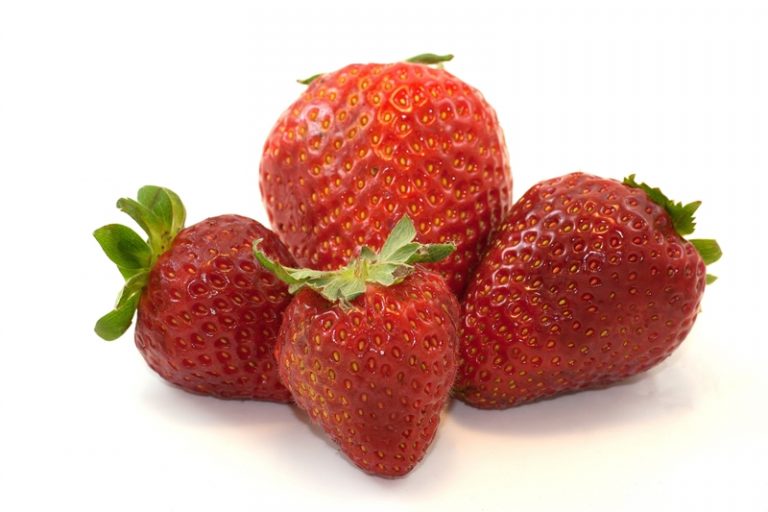
A strawberry is a sweet, red heart-shaped fruit, which is preferred for its delicious taste. It belongs to the rose family and has, of course, a distinct, fragrant aroma.

Strawberry Uses

Strawberries are often consumed in raw form or added to fruit salads, custards, and various other recipes. They are also used in processed food items, including ice creams, jams, jellies, squashes, syrups, candies, baked goods, and chocolates.

On account of its rich flavor, taste, and color, the fruit essence is also made use of in tablets, medicines, protein bars, energy shakes, and supplements. The fragrant fruit is rich in antioxidants and also has a popular flavoring.

Strawberry Nutrition

Strawberries are packed with several vitamins and minerals such as vitamins C and K, folate, potassium, manganese, and magnesium. They are low-calorie, fiber-rich fruits, which are of course abundant in antioxidants and polyphenols.

Improves Heart Function

Strawberries contain lots of heart-healthy antioxidants such as ellagic acid and flavonoids such as anthocyanin, catechin, quercetin, and kaempferol. These phenolic compounds do lower the risk of cardiovascular diseases by inhibiting the formation of total and LDL (bad) cholesterol. They also do tend to relax the blood vessels, causing improved blood flow and preventing cardiovascular problems. Additionally, the high fiber content, vitamin C, and folate in strawberries form an ideal cardiac health pack as they do effectively reduce cholesterol in the arteries and one’s vessels.

Skin Care

Strawberries contain salicylic acid, alpha hydroxy acid (AHA), and ellagic acid, which does reduce hyperpigmentation, prevent acne and does remove dead skin cells. For a face mask for glowing skin, crush 4-5 strawberries and also mixes it with a tablespoon of honey. Apply on the face, leave it till dries off, and wash off.

Anti-Aging

Vitamin C in strawberries boosts collagen production, tones the skin, and has an anti-aging effect. Its extract is abundant in anthocyanins and also protects against ultraviolet radiation.

Eye Care

Eating strawberries can also prevent eye conditions such as dry degeneration of the optic nerves, macular degeneration, vision defects, and also increased susceptibility to infections. Antioxidants in strawberries, such as flavonoids, phenolic phytochemicals, and ellagic acid, can also help avoid almost all eye problems because they do protect against free radical scavenging activity.

Strawberries can also fix the disturbance in ocular pressure, the pressure within the eyes, which can be harmful. They also contain potassium, which helps in maintaining the correct pressure.

18 Valuable Benefits of StrawberryReduces High Blood Pressure

Strawberries are rich in potassium and magnesium and low in sodium. Potassium and magnesium act as vasodilators, meaning that they help reduce hypertension and the rigidity of arteries and blood vessels. This eases the flow of blood to various parts of the body and keeps them functioning at their full potential.

Prevents Cancer

Vitamin C, folate, anthocyanins, quercetin, and kaempferol are just a few of the many flavonoids in strawberries that do act as excellent antioxidants. Together, they do form an excellent line of defense to fight cancer as well as tumor growth. Daily intake of strawberries is well connected to a drastic reduction in the presence and metastasis of cancer cells. Frozen-dried strawberry powder does prevent esophageal cancer.

Boosts Immunity

Vitamin C in strawberry does boost the immune system and also helps in curing common cough and cold.

Treats Arthritis & Gout

Strawberries are rich in antioxidants and detoxifiers, which do help reduce arthritis and gout pain. They also help in preventing arthritic symptoms such as degeneration of muscles and tissues, drying up of the existing lubricating fluids in the joints, and accumulation of toxic substances and acids (such as uric acid) in one’s body.

Boosts Brain Function

Strawberries are rich in iodine, vitamin C, and phytochemicals, which do help maintain the proper functioning of the nervous system. Potassium, in strawberries, also has been linked to an improved cognitive function by increasing blood flow to the brain. It is good to consume more of strawberries as they are rich in anthocyanins and other flavonoids, and are linked with a slower progression of cognitive decline.

Strawberry for Weight Loss

Strawberries do boost the production of adiponectin and leptin, both of which are fat-burning hormones. They do help reduce appetite, decrease glucose, and reduce body weight and fat, all of which promote weight loss.

Prevents Birth Defects

Folic acid in strawberries is a necessary nutrient, especially during pregnancy, as it does help in preventing birth defects. It is also important for ensuring optimal health during pregnancy.

Reduces Inflammation

Strawberries also reduce elevated blood levels of C-reactive protein (CRP), a substance that is produced by the liver which increases inflammation in the body.

Stroke

The anti-inflammatory power of the antioxidants in strawberries does help to reduce the formation of blood clots that are indeed linked with stroke.

Constipation

Due to its high fiber content, strawberries do help boost digestion and also prevent constipation. It does also prevent diverticulitis, an inflammation of the digestive tract, which can rather cause fever and nausea.

Diabetes

Eating strawberries, which have a low glycemic index, can indeed lower the risk of developing type 2 diabetes. Eating strawberries do improve glycemic control among diabetics.

Hair Health

The rich variety of antioxidants, ellagic acid, and vitamins help battle hair loss, moisturize the hair, and also prevent dandruff.

Bone health

Manganese, vitamins C and K, and potassium, in strawberries, do help improve bone health. Vitamin K and potassium assists in higher bone density by retaining calcium in one’s body.

Teeth whitener

Strawberries do contain malic acid, a natural teeth whitening agent. Mix the crushed fruit with baking soda until blended and then put it on one’s teeth. Leave it on for about 5 minutes and lightly use a toothbrush to whiten the teeth.

Treats Puffy Eyes

Strawberries do help reduce the appearance of puffy eyes. For a quick fix, place the slices of the fruit on one’s eyelids and relax for ten minutes.

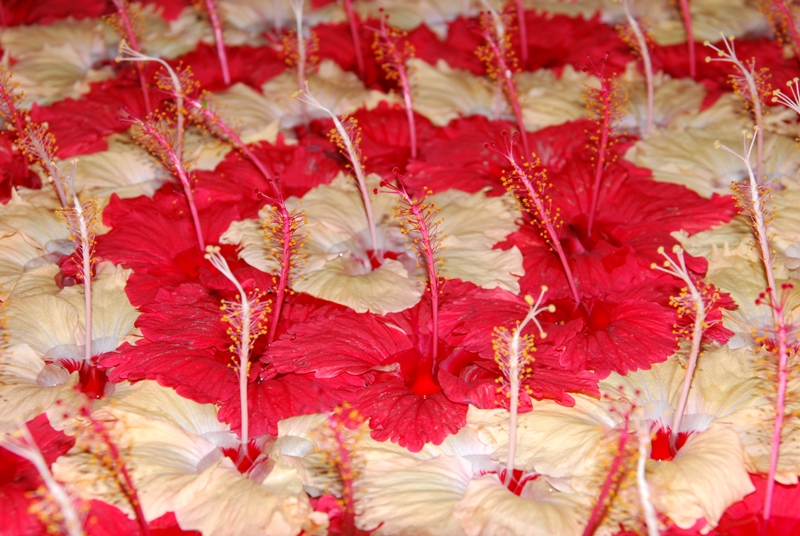
How to use hibiscus flowers for hair growth?

Spread the love

Hair fall is a major worry and for this one can make use of hibiscus flower as a beneficial remedy. This flower contains vitamin C, Phosphorous, riboflavin as well as calcium. One’s hair gets plenty of nourishment as the hibiscus flower does contain carotene which also prevents graying of hair at a very early stage.

It is advisable to make use of hibiscus flower juice to control hair fall, dandruff as well as graying of hair even if was nearing 50 years of age.

One needs to be familiar as to how to make hibiscus oil or even shampoo by making use of its leaves. The oil will certainly improve the texture of one’s hair after 2 to 3 weeks of its usage.

What are the benefits of hibiscus for hair?

As hibiscus has plenty of Vitamin C it boosts collagen production which is good for healthy hair and its growth. It also has lots of amino acids which strengthen the roots and nourish them as well. The hair tresses are lustrous, shiny and healthy.

Hibiscus also prevents balding and helps in re-growth and adds volume and bounce to one’s hair. It helps in treating frizz and also brittle hair and conditions the hair. It prevents split –ends and keeps the hair well nourished and hydrated for a long period of time. It also helps in treating itchiness of scalp as well as dandruff problems.

How to use hibiscus flowers for hair growth?Hibiscus yogurt hair mask

Take 1 hibiscus flower, 3 to 4 hibiscus leaves and a bowl of fresh yogurt. Grind the hibiscus leaves into a thick paste along with hibiscus flower. Mix it with Yogurt and then make it into a paste and apply it evenly in the hair as well as on the scalp. It must reach the roots. Let the hair nourish well and then wash off with lukewarm water. Do this once a week.

Hibiscus with fenugreek

This has anti-dandruff properties. Take a few hibiscus leaves, fenugreek seeds, and buttermilk. Soak the fenugreek seeds overnight and then grind them with the hibiscus leaves until it forms into a thick paste. Mix the paste with buttermilk and then apply the paste onto one’s hair. This hair mask will definitely soothe the itchy scalp and thus prevent dandruff. Wash it off with a mild shampoo after an hour or so. Repeat every week.

Coconut milk with hibiscus

Take a cup of coconut milk with hibiscus petals, yogurt, and aloe vera gel. Blend them into the thick paste and apply on the scalp to condition it. It prevents frizz, split ends and breaking of hair.

Egg and hibiscus pack

Take a couple of egg whites and grind them with hibiscus flower. Blend the mixture to get the thick paste. Add yogurt to get rid of bad smell. Apply it on the hair and wash it off with lukewarm water. This mixture is rich in proteins and revitalizes brittle hair and also stimulates the secretion of oils in the scalp.

Neem and hibiscus

Take a few neem leaves and grind them and sieve the juice. Then grind the hibiscus flower and mix both the ingredients and add water for maintaining consistency. Apply the content on one’s till root absorb it. It has anti-bacterial contents that are available in neem leaves. It keeps the hair strong and healthy.

How to make hibiscus hair care oil?

Ingredients:

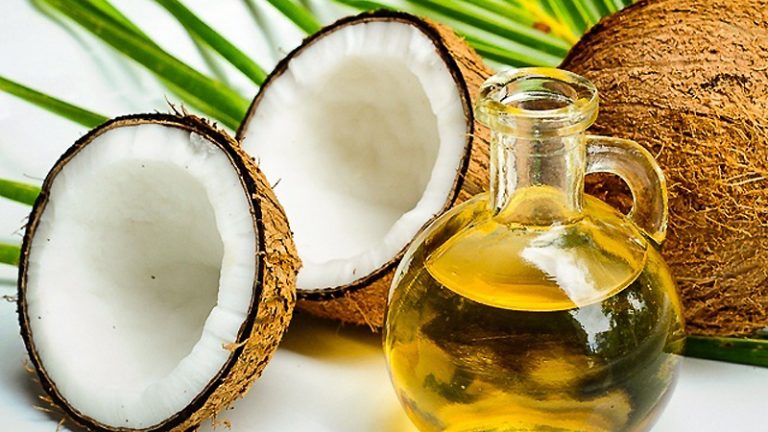
• Coconut oil
• Hibiscus leaves
• Clean container
• Hibiscus leaves
• Stone mortar and pestle.

How to make hibiscus hair oil for hair?

Crush the petals of the hibiscus flower and with the help of mortar as well as pestle. Then take a clean container and add about the ½ amount of coconut oil. Dip the crushed flowers and petals inside the oil and then boil for 4 to 5 minutes. Let the oil cool down. Then apply on scalp and massage the oil gently on the scalp. The oil will penetrate into the roots and thus provide proper nourishment in one’s hair. After the oil goes into the roots then wrap a towel and let it be for about 10 to 15 minutes. Then making use of lukewarm water and shampoo, wash the hair well.

Hibiscus Hair shampoo to prevent hair loss

One can prepare hibiscus shampoo at home. Crush some petals of the flower making use of a pestle and mortar. Then in a small bowl, take the hibiscus flowers and also make a fine paste of it. Add some olive oil and make a thick paste. Apply the paste on one’s hair like a shampoo. As it contains olive oil there is no need for lather formation. The paste must reach the roots of the hair. Let it be for 15 minutes and then wash off with lukewarm water.

Olive oil with hibiscus for hair re-growth

Prepare a solution with hibiscus leaves to swell as flowers with some olive oil and make use of it like a shampoo. One needs about 3 to 4 hibiscus flowers and some leaves of the same quantity of the same tree. One can make use of pestle as well as mortar to crush the hibiscus petals. Then add a few drops of olive oil and water to make the paste smoother and apply it to cause re-growth of hair. These packs need to be kept for 15 minutes and then wash it off.

Hibiscus with onion for new hair

As we are well aware onion juice is good for health. Even the leaves and flowers of the hibiscus are good for hair growth and prevent hair fall. Take a fresh onion and then peel it. Make a pulp in the grinder. Squeeze out the water from the pulp and then keep it in the container. Add some juice of the hibiscus leaves and then mix well. Apply on the scalp for hair growth and to prevent hair loss.

Hibiscus and amla for healthy black hair

Amla has been in use for hair treatment for ages down the line. It prevents hair loss. One can consume it raw as well. Try to combine the juice of Amla with some hibiscus leaves which is good to prevent hair loss and for hair growth.

Ginger and hibiscus leaves for hair re-growth

People worry about hair fall. Take a small portion of ginger root and then crush it and then remove the juice and add the juice of hibiscus flower to it. Apply the content on the hair and this will help re-growth of hair.

Hibiscus and curry leaves for thick black hair

Add drops of coconut oil to curry leaves and make a smooth paste and apply t on the roots. It is good nourishment for the hair and prevents hair fall.

Ram Charan Workout and Diet Secrets Revealed

Spread the love

Actors have to maintain their physique and diet at all cost as looks matter a lot in the film industry and one cannot afford to go out of shape. Similar in approach to other Hollywood actors, famous Tollywood actor Ram Charan also ensures that he is in fit shape at all times.

Ram Charan, famous actor of the South Indian films keeps himself in good shape by adequate workouts and proper diet plans. His special mission is to keep his body in top shape and with his sporting and tough looks he does attract women audience well. Before shooting he makes sure he is in good shape by following a proper diet and exercise regimen. He is indeed a health fad and knows that good looks matter in the film industry. He is a top actor on account of this and many of his male fans would like to look like him.

Ram Charan is well known for his physique. He has a tough guy look that draws a large number fan towards him.

How does he maintain it?

He follows a strict diet and goes to the gym regularly. His famous trainer is Rakesh Udaiyar. He believes in the strict exercise routine. His hard work at the gym reflects in his body shape.

Workout:

Ram Charan’s work out much depends upon his body shape. He gains weight if his body requires it so and also loses weight if required. He goes in for abs workout regimen and has well laid out exercise regimen. Like all celebrities he makes sure he sticks to a workout regimen and does not neglect his exercise routine. He believes in fitness mantra and despite his tight films shooting schedule, he makes sure he gets sufficient exercise.

Ram Charan believes in following a special diet plan which keeps him hale and hearty with a lot of energy to carry out his tight work schedule. Eating right is what he believes in and this does reflect in his physical appearance.

Ram Charan Workout and Diet Secrets RevealedDiet:

• Breakfast: eggs, brown bread, milk
• Lunch: Homemade Healthy Food, Fruits, Vegetable Soup, Chicken
• Dinner: Chapati, Dal and Green Salad
• Favorite: Dessert, South Indian Foods

Food habits do matter in the film industry and one has to be careful of what one eats. The actor has to eat the right kind of food which provides him with all the energy and also at the same time he must not put on weight. Ram Charan is aware of this and accordingly has planned his diet regimen. He eats nutritious food which is healthy as well as tasty.

Ram Charan is known for his good looks and is a superb actor as well. The combination of both has stood him well. Eating well and carrying out his daily exercise routine has ensured that he remains in the best of shape at all times. He is young, energetic and full of bubbling youthful attitudes that have earned him a reputation in the film industry that has made him popular and famous among his fans.  These are ram charan diets and workout like Other Tollywood Superstar Mahesh Babu follows

5 Proven Benefits of Coconut Oil for Burns

Spread the love

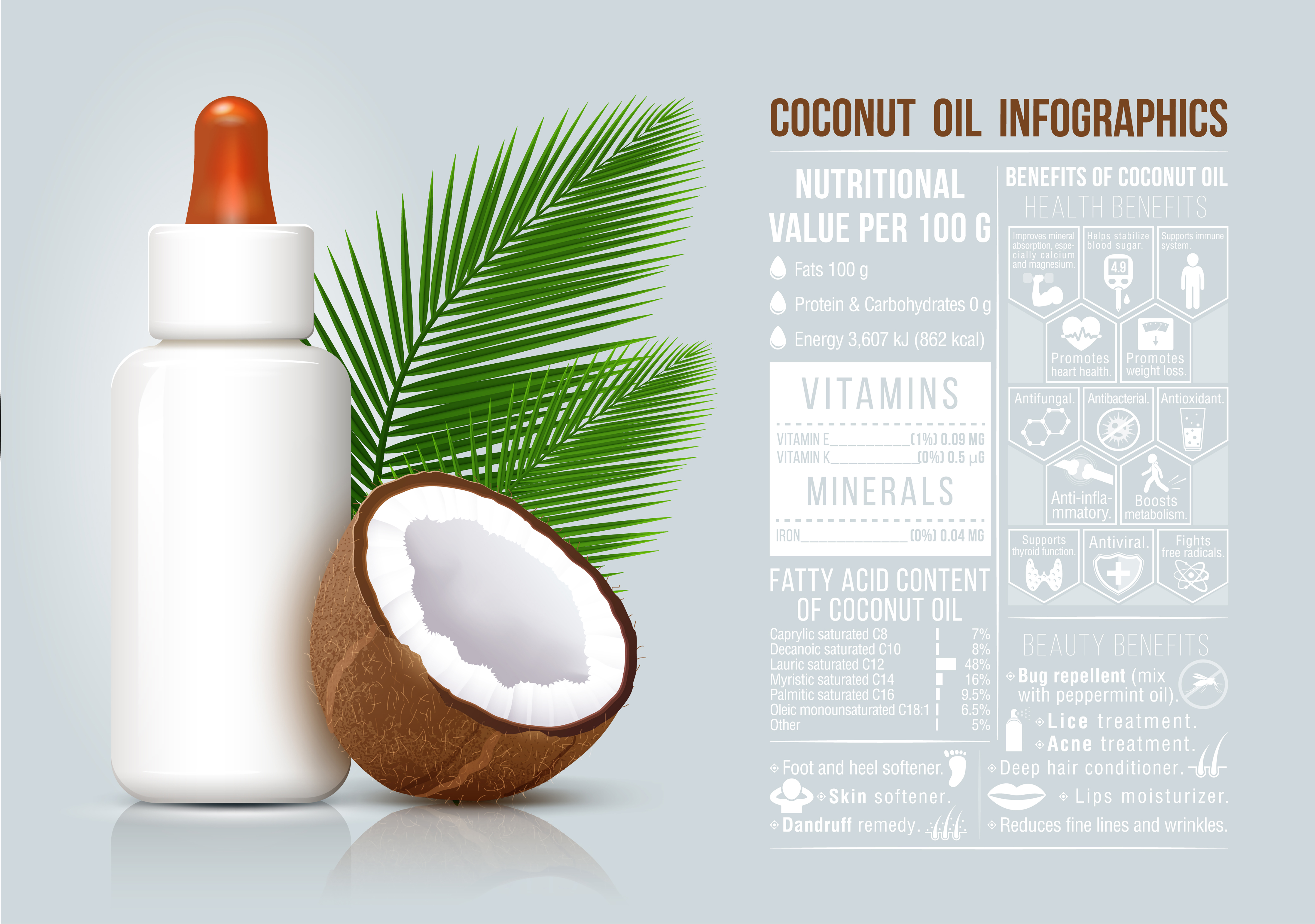
Coconut oil is the very good form of natural treatment for burns and is used to deal with the treatment of these painful skin conditions. Coconut oil has very crucial properties that do make it effective for not only treating burns but also preventing secondary infections, moisturizing one’s skin, speeding up the healing process, as well as minimizing permanent scarring or marks from one’s burns.

Burns are rather typically classified as first-, second- or even third-degree burns thus moving from least to most severe types. First-degree burns usually do affect the outer layer of one’s skin, such as sunburn, whereas the second-degree burns do extend a few layers deeper, resulting in more pain and also possibly affecting one’s blood vessels as well as nerves. Third-degree burns do require specialized care, and may also include hospitalization.

Coconut oil is indeed recommended as a treatment for first-degree burns and some second-degree burns, which do include sunburns, water burns, rope burns, minor chemical burns, acid burns, as well as radiation burns.

No doubt, third-degree burns are often life-threatening and need to be treated in official burn units by specialists. Coconut oils can also be made use of after its formal medical treatment for third-degree burns in order to help minimize scarring. Yet, it must not be used as a first-response treatment to for severe injuries, which so often result from being in a fire or even experiencing serious chemical burns.

Benefits of Coconut Oil for Burns

Coconut oil can indeed deliver a number of important benefits for those people who suffer from burns of different sorts and that are severe in nature. This does include protecting against infections as well as increasing the rate of healing, soothing pain and no doubt inflammation, keeping the area moisturized as well as cool and also reduces scarring.

Relieves Pain

Research has rather shown that coconut oil contains an analgesic as well as anti-inflammatory properties, which do help in soothing the discomfort as well as pain caused by burns of all types. This is also mainly on account of the vitamin E that is found in coconut oil which is also known as tocopherol.

Protects Immune System

The rich content of medium-chain fatty acids is found in this oil, namely lauric, capric and caprylic acids, which have antibacterial as well as antiseptic qualities that can also protect the exposed burns from several pathogens, irritants and pollutants from the external environment. One of the biggest risk factors that complicate burns is the risk of infection; applying coconut oil can, of course, reduce one’s susceptibility to these dangerous secondary infections.

5 Proven Benefits of Coconut Oil for BurnsSpeeds up Healing

Coconut oil tends to penetrate deeply and also increase the rate of growth as well as healing of damaged skin cells. The vitamins and polyphenols in this oil can indeed reduce oxidative stress in these already damaged cells and also significantly speed up the healing process, thus making for a quicker recovery. Coconut oil does stimulate the flow of blood to the burned areas, which does bring oxygen as well as nutrients where they are required most.

Moisturizes Skin

Coconut oil can penetrate the skin deeply, thus making it particularly effective for second-degree burns as well as rope burns, which often peel off multiple layers of one’s skin. By delivering required moisture to these exposed areas, it can also prevent dryness and the accompanying pain, while providing soothing comfort, especially when applied rapidly following the event of a burn.

Reduces Scar

This oil is high in antioxidant vitamins and polyphenolic compounds, which can promote collagen cross-linking and strengthen the dermal tissue to promote regrowth and healing. [8] It can minimize the appearance of scarring, which so often results from burns. While it won’t be able to prevent all scarring from a burn, coconut oil can reduce it and leave the new skin with full elasticity, rather than giving it a wrinkled or leathery appearance.

How to Use Coconut Oil For Curing Burns?

You can use virgin organic coconut oil for burns by gently applying the oil – generously and frequently – to the affected areas. It is also recommended that you use other essential oils in conjunction with the base oil to further promote healing and reduce inflammation. Lavender oil or (very small) amounts of tea tree oil are excellent, as these are disinfectant in nature.

Before treating your burn with coconut oil, it is wise to run the burn under cold water for a few minutes, which will soothe the pain and clear out any other irritants and substances that may have entered the burn. This will partially numb the area for a short amount of time. This also helps to prevent scarring in the area, as it quickly stimulates blood flow to the area.

Immediately following this, generously apply the oil mixture to the site of the burn; there is no need to rub or massage the oil into the area. Simply allow it to permeate the skin.

Leave the oil mixture on the skin for 10-15 minutes before gently washing it off with water. If possible, allow the entire mixture to soak into the skin, and try not to move or twist the burned ar

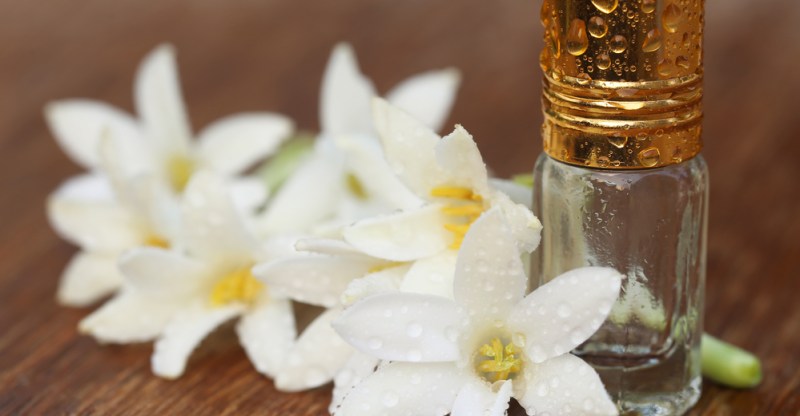
10 Best Benefits of Tuberose Essential Oil

Spread the love

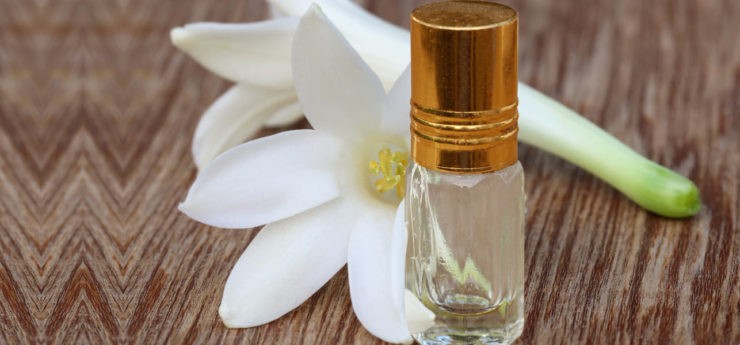
Tuberose or ‘Night Queen’ is no doubt a sweet-smelling flowering tree, which does attract snakes. It is also a strong aphrodisiac that relaxes one’s mind.

What Is Tuberose Essential Oil?

Tuberose is, of course, a waxy white flower, which has many monikers. The most popular moniker is ‘Raat ki rani’ or ‘queen of the night’. The flower does get its unique name as its flowers do bloom only at night. It is available in many perfumes and cosmetics. Contrary to popular belief, the plant is indeed a native of Mexico and not India.

1. Deodorant:

It has a powerful fragrance and is used in perfumery. Its rich floral, as well as long-lasting fragrance, does make it very popular in tropical nations, where people usually suffer from body odor. So to smell good instead of using chemical products, one can make use of tuberose essential oil. It is not as harsh as chemicals are.

2. Aphrodisiac:

Apart from the snake myth, the names “Night Queen” and “Mistress of the Night” hint at other properties of tuberose. The essential oil is an effective aphrodisiac. Aromatherapists do make use of this oil in order to help patients overcome frigidity and a lack of libido. Tuberose essential oil has a very strong, intense and intoxicating fragrance that does induce romantic feelings.
The oil also does help in stimulating nerves that do control arousal, libido, and sexual feelings.

3. Antidepressant:

Tuberose essential oil is indeed acknowledged as an effective antidepressant. It does help reduce one’s anxiety and also calms one’s mind. Aromatherapists also do make use of the oil in order to treat depression, nervousness, hysteria and other neurological disorders as well. The oil helps boost blood circulation and also helps one meditate as well.

4. Antispasmodic:

Tuberose essential oil has indeed several health benefits. It does help calm spasms such as cramps and also even reduces internal spasms such as intestinal cramps. The antispasmodic activity does make it an effective remedy for spasmodic coughs, convulsions as well as cramps. So in case one suffers from leg cramps or a spasmodic cough, one can think of making use of some tuberose essential oil.

10 Best Benefits of Tuberose Essential Oil5. Sedative:

Tuberose essential oil is a good sedative and can help reduce anxiety, stress, depression, and even help in curing insomnia. It triggers off impulses in the nervous system that do signal the brain to go to sleep. This property does make it an excellent option for reducing inflammation in one’s respiratory system. One may need to make use of more than the usual dose to induce the sedative effect.

6. Warming:

Tuberose essential oil does help to reduce cold turkey and induces a rather warming effect on one ’s body. It is especially useful in the winters when the wind can be very biting, and one’s body gets cold. As a good circulatory, tuberose essential oil does boost blood circulation, and this does warm one’s body.

7. Boosts Blood Circulation:

Tuberose essential oil is known to be an effective circulatory as it helps boost blood circulation. The property can be quite useful to people who do suffer from joint pains as well as arthritic conditions. The warming effect of the oil is on account of its circulatory properties.

8. Useful In Aromatherapy

Tuberose essential oil in aromatherapy gives a pleasurable and health-boosting experience for one’s mind and body. It relieves stress and also calms the mind from anxiety. The tuberose’s rich as well as a creamy fragrance that releases certain compounds that do help stimulate the vagus nerve of the parasympathetic nervous system, which is responsible for calming one down.

Tuberose essential oil is very effective in getting rid of emotional as well as mental negativity. It dispels depression, treats obsessive-compulsive behavioral problems, and also promotes a sense of well-being.

Unlike daily prescription drugs, aromatherapy is a rather a holistic approach to addressing certain mental as well as physical issues without producing any sort of adverse effect.

9. Treats Nausea and Headaches

Nausea can be in the form of an extreme headache or vomiting. Tuberose essential oil can no doubt treat the onset of nausea in order to avoid the uncomfortable sensation of wanting to puke all the time. This is indeed believed on account of the anti-emetic properties of its oil, which does suppress the activity of the vagus nerve and sensitivity of odors.

10. Improves Blood Circulation

Inhaling the powerful, fragrant essential oil of the tuberose flowers does stimulate as well as improve blood circulation throughout the circulatory system. This property is very beneficial for individuals who are able to endure joint pains as well as arthritic conditions that occur on account of poor circulation. Proper blood circulation does help eliminate toxins from one’s organ systems and out of one’s body. Receiving a sufficient supply of oxygen is vital in maintaining normal bodily functions, especially the preservation of optimal cardiac function.

One must keep this essential oil in one’s medicine cabinet as it has several health benefits.

Mahesh Babu Workout and Diet Secrets Revealed

Spread the love

Mahesh Babu is a big star of action and romance in Tollywood and has a large following of admirers. His looks are very appealing and he does maintain them well. He is slim and very agile and is popular for his good looks. The audience just falls for his good looks. His films have indeed made a mark.

A physique for an actor does matter and Mahesh Babu does ensure that he maintains one well. Mannava his physical trainer ensures that Mahesh Babu attractive physical appearance keeps him in good stead on the screen. Mahesh Babu is a fitness freak. He keeps a good watch on his diet and physical workouts. He works very hard on his physical workouts and has a busy schedule on account of them.

Let us see how Mahesh Babu maintains his good-looking physique which is indeed robust. Mahesh Babu is much motivated and heads for the gym regularly and does his workouts without missing out on any of them. He is well aware that he needs to be conscious about his physical appearance. He wants to remain lean and also build on his muscles. He focuses on strength and flexibility.

Mahesh Babu Workout and Diet Secrets RevealedMahesh Babu Fitness Program:

His fitness program involves one body part a day and ensures that his body is healthy and fit. He concentrates on stretching and has been able to do many stunts in films on account of this. He believes in all-around fitness and the work out is for about an hour and a half.

Mahesh Babu is tall and therefore has tall limbs. He tries hard to get muscles on his arms and legs.

Mahesh Babu Diet secrets:

Mahesh Babu has a balanced with a proper mix of protein, carbohydrates, and fats. He has six meals every day and 2 of them are supplement shakes. He does not believe in fad diets.

For Breakfast:

He has oats, eggs, fruits, and nuts.

After workout: Any shake.

Lunch: Any source ( Chicken/Fish/Lamb) with Carbs ( Brown Rice)/Quiona/Khus Khus

Dinner: Any carb source and protein and it could be whole wheat brown bread with eggs as well chicken.

His wife ex-actor Namrata Shirodkar takes the personal interest in his diet. Mahesh Babu never misses his meal despite a busy schedule. He also does not miss out on the gym visits. Kris Gethin is his coach who also worked with Hrithik Roshan.

Mahesh Babu does not mind Chinese or Indian food as he does have fried chicken and rice. He is not bored with this menu even if he is served on a daily basis.

His foods items are oats, broccoli, fish, spinach, pasta, grilled chicken and so forth. Indeed he has a nutritious diet.

Mahesh Babu does believe in making sure that his looks are not compromised in any way and he has a healthy glow on account of his physical regimen. He does maintain a physique that is the cynosure of all eyes, be it female admirers or males.

Mahesh Babu is an icon in the film industry who has carved a popular niche for himself and his looks have indeed done him well in the industry.

10 Amazing Benefits of Lotus Root

Spread the love

Lotus Root has several health benefits such as improving bowel regularity, regulating blood pressure, supporting weight management, preserving heart health, boosting body immune system, boosting mood, treating anemia as well as preventing cancer. Other benefits are providing diabetic support, treating diarrhea and reducing inflammation and so forth.

What is Lotus Root?

It is flower that is sacred to Asians, especially Indians. Although it is usually not considered edible yet it is very nutritious and edible rhizome. It is indeed a native dish. It is accepted as a substitute to white potatoes.

Nutrition Info (per 100 serving, cooked)

  • Calories-66.3% RDA
  • Total Carbohydrates-16g
  • Dietary Fiber-3g 12% RDA
  • Vitamin C-27.5mg 46% RDA
  • Thiamin-0.1mg 8% RDA
  • Niacin-0.3mg
  • Vitamin B6-o.25mg 11% RDA
  • Folate-8mcg 2% RDA
  • Pantothenic Acid-0.3mg 3%
  • Calcium-26mg 3% RDA
  • Iron-0.9mg 5%RDA
  • Magnesium-22mg 8%RDA
  • Phosphorous-78mg 8% RDA
  • Potassium-360mg 10% RDA
  • Zinc-0.3mg 2% RDA
  • Manganese-0.2mg 11% RDA

Health Benefits of Lotus Root:

10 Amazing Benefits of Lotus RootImproves Bowel Regularity:

It helps in preventing constipation and is made of insoluble fiber. The latter helps digestion. Colon cancer can be prevented.

Helps regulate Blood Pressure:

The electrolyte minerals in blood pressure do impact the blood pressure and this can result in excessive water retention. Potassium facilitates blood vessel dilation, promotes excessive water as well as elimination of sodium.

Helps Weight Management:

It is good to consume food that keeps the stomach full for longer period of time as then one will not eat. This will result in weight loss. Lotus Root is high insoluble fiber and is low in sugar and helps one to lose weight. Foods high in carbohydrates prevent the burning of fat process while exercising.

Boosts One’s immune System

Lotus Root has a lot of Vitamin C which is good for the immune system functioning. One is less prone to illnesses.

Boosts Mood

It has beneficial effects on the brain as it improves one’s mood and well-being. This is due to presence of vitamin B6 which involves the synthesis of serotonin as well as dopamine.

Treats Anemia

It contains plenty of minerals, iron and copper which are good for the blood. This contains anemia.

Prevents Cancer

Vitamin C in Lotus Root helps preserve the DNA structure and can help in preventing mutated cells being produced. Vitamin C can combat free radicals.

Good for Controlling Diabetes

Since Lotus Root has potato-ish taste it controls cravings for this starch. It is rich in fiber and low in carbohydrates which help in maintaining healthy sugar levels. It is filling meal. One can have next meal hours later.

Controls Diarrhea

Diarrhea is linked with intestinal mal-absorption or bacterial infection of one’s digestive tract.

Reduces Inflammation

Inflammation is required but can go out of hand and cause swelling in several parts of one’s body. Many diseases do cause inflammation. Lotus Root is useful in treating painful effects of rheumatoid arthritis, muscles aches as well as pains and also inflammatory bowel diseases.

Good for the Heart

Lotus Root improves blood pressure and blood vessel health. It promotes healthy heart muscle functioning.

Lotus Root indeed has several benefits. It is good to have it and thus maintaining good health. As it has lots of fiber it is good for those who are weight conscious and would like to shed some pounds.


Try Fairness with rice powder OR Skin whitening with rice powder

Spread the love

Environmental pollution and stress and strains of life make our skin look dull and listless. One’s skin gets exposed to sun, dust and other pollutants in the air and this one suffers from dark spots, dark patches as well as pigmentation. One needs to get fresh air for a bright and glowing skin.

One way for a glowing skin is to make use of a homemade product in the kitchen-rice powder. It is better to make the skin fair rather than harsh chemicals.

How to get ice powder?

One needs to grind plain uncooked rice into fine powder. This powder contains – PABA (para-aminobenzoic acid), ferulic acid as well as allantoin. These protect the skin from damage as well as pollution. It also promotes healing as well as skin repair. It contains a lot of anti-oxidants which reverses the aging process and provides a healthy and youthful look.

Instant results with rice powder:

Rice powder whitens the skin fast. How?

Rice powder and Milk face mask

On must add milk as well as honey as milk is rich in vitamins and essential fatty acids which help in purifying and cleansing the skin well. Honey moisturizes the skin and provides a clean skin tone.

One must apply the mix one’s face as well as neck and gently massage in a rather circular motion. Let it be on for about 20 minutes and then wash it off with cold water.

Try Fairness with rice powder OR Skin whitening with rice powderRice Powder and Egg Mask:

One wants to get rid of dull skin. One needs some kitchen rice powder and eggs. The white portion of eggs does close up as well as tightens the pores thus providing the skin a young look. It also controls the production of melanin thus making the skin fair.

How? Take the egg whites from a single egg and add about 3 tablespoonfuls of rice powder as well as a spoonful of honey to it. Apply the mask on one’s face as well as neck and then leave it for about 20 minutes. Then wash it off with some lukewarm water.

Rice powder Body scrub:

One has to make use of the herbal body scrub in order to exfoliate as well as get smooth and silky soft skin.

In order to prepare this scrub, one requires 2 tablespoonfuls of gram flour, ½ cup of rice powder, 1/4th cup of sugar, 4 tablespoons of honey as well as few drops of coconut oil. This will exfoliate one’s skin and also hydrate, moisturize as well as intensely nourishing one’s skin. Mix up the ingredients well and then apply it all over one’s body. Scrub well for about 3 minutes and also take a bath.

Fruity Rice Powder Face Mask:

It is good to combine rice powder with essential vitamins. For a radiant skin tone try combining fruits with rice powder and prepare a face mask. This face mask is rich in vitamins and anti-oxidants.

One can make use of fruits such as apples, oranges, cherries, yogurt or curd. Add fruits in a blender and 2 tablespoonfuls of rice powder and blend well. Now add about 2 tablespoonfuls of cold yogurt to the mix and apply a thick face mask on one’s face and neck. Allow it to remain for 30 minutes then wash it off with cold water.

Rice Powder and Lemon toner

One needs to make use of rice powder as a toner in order to get acne-free, oil-free and a fair skin tone. One can thus avoid harsh chemicals. One can use this home-made skin toner. Lemon juice contains a lot of Vitamin C which helps in boosting the ingredient value of rice powder.

Best Shower Tips to Keep Your Hair Healthy

Spread the love

Usually, one gets used to a particular way of washing one’s hair and continues to do so, particularly women when they have to wash their kids’ hair. They might be wrong but are habituated to it, though of course there is nothing inherently wrong with the routine way of washing one’s hair. The problem arises when it damages one’s hair. The problem begins when it actually starts damaging one’s hair. One feels one has split ends and experiences hair fall. It is also possible that there may be something wrong with the products one is using to wash one’s hair. One needs to check it out.

1. Tips for Shampooing

Steam one’s hair before shampooing it:

The pores on one’s scalp are usually clogged with oil as well as dirt. The best way to cleanse them away is by steaming one’s hair. To do so, soak a towel in some hot water and then wring out the excess water. Wrap this towel around one’s head and leave it on for 20 minutes before jumping into the shower.

Massage steamed hair before shampoo:

after steaming one’s hair, gently massage one’s scalp with one’s fingers for a few minutes. This can also help loosen up the dirt and buildup and also root out the weak hair strands from one’s scalp.

Use cool or lukewarm water:

It is well realized that using heat styling tools on one’s hair too frequently can damage the hair. Well, the same holds true for hot water. The heat from hot water can strip off natural oils and leave one’s hair cuticles open, thus allowing all the moisture to escape from it. On the other hand, washing it with cool or lukewarm water can also help close the cuticle as well as lock in the moisture, thus giving one shinier as well as smoother locks. It can also help reduce the frizz.

Use paraben and SLS free shampoo:

One is also familiar with shampoos that are free of sulfates (SLS) and parabens. Parabens are often added as a preservative, and SLS does help in forming the lather. Both these chemicals have long been known to cause skin irritation as well as allergic reactions. But recent studies have also indicated that they can be carcinogenic and also cause severe eye damage among children. It is advisable to use organic shampoos that are SLS- and paraben-free.

Apply shampoo only on scalp:

The purpose of shampoo is to clean the hair and remove the dirt, dead skin cells, as well as product buildup from one’s scalp. By shampooing on the lengths of one’s hair it is possible one may tend to strip it of its natural oils and also leave it looking dry, dull as well as lifeless. It is advisable to make a quarter-sized amount of shampoo as well as massage it into one’s roots and scalp until it lathers up.

Gently massage while shampooing:

When lathering the shampoo, gently massage one’s scalp with one’s fingers, moving in a circular motion. Not only one can easily cleanse away the dirt from one’s scalp, the message will also help in improving the blood circulation to the hair follicles and also boost hair growth.

Avoid washing one’s hair daily:

Most shampoos do contain chemicals that can make one’s hair extremely dry as well as brittle if used daily. So, it is better to wash one’s hair no more than twice or thrice a week to maintain its health as well as optimum moisture level.

Do not stretch shampooing time:

Hair is fragile when wet. One should shampoo as well as condition one’s hair within 15 minutes of wetting it to keep the damage as well as breakage at the minimum.

Best Shower Tips to Keep Your Hair Healthy2. Tips for Conditioning

Condition one’s hair with oil before shower: One needs to condition as well as moisturize one’s hair and the best way is to massage it with hair oil. Massage a little bit of coconut, almond, or olive oil onto one’s hair and then scalp an hour before one washes it. This oil will indeed penetrate one’s hair shaft and also nourish it from within in order to give one softer, shinier as well as frizz-free hair.

Towel dry before conditioning:

This step may sound a bit tedious to oneself but one wants frizz-free hair. Once shampooing is over hair, and then wrap a towel around one’s head to soak up all the excess water and then apply conditioner. The conditioner will indeed get absorbed into one’s towel-dried hair much more easily and it also prevents it from frizzing up.

Do not make use of too much conditioner:

Applying too much conditioner will indeed weigh one’s hair down and also make it look super greasy.

Do not apply conditioner on scalp:

One must not apply conditioner to one’s scalp, as it will form a build upon one’s scalp and clog one’s pores, leading to reduced hair growth as well as increased hair fall.

Do not leave the conditioner in for too long:

If one thinks to leave the conditioner on one’s hair for extra time and that it would moisturize one’s hair better, then this view is wrong. Conditioners do have their effect on wet hair as cuticles become swollen as well as open up. The conditioner can also percolate further than it has already done when initially applied. In fact, leaving the conditioner on for too long can actually make one’s hair greasy.

Deep condition every two weeks: One needs to deep condition one’s hair at least every 2 weeks, in case it is curly or kinky hair as these hair types do tend to dry up rather quickly.

3. Tips for Drying

Microfiber towel/Cotton t-shirt:

One indeed may not realize terrycloth towels do soak out the moisture from one’s hair and remove excess water, thus leaving the hair dry. Besides, the texture of these towels can also frizz up one’s hair and also cause breakage. A better option would be to make use of either a microfiber towel or a cotton t-shirt that are gentler on one’s hair and do not strip all the moisture out of it.

Do not aggressively rub one’s hair while drying it:

A majority of women do either rub their hair vigorously with a towel or coil it up in a towel that in order to dry it. Both methods of drying hair are bad as they cause knotting, frizzing, as well as breakage of one’s hair. The proper method is to use a cotton t-shirt or a microfiber towel in order to gently pat dry one’s hair to remove all the excess water and then allow it to air dry.

Avoid using a blow dryer:

The heat from a blow dryer can also damage one’s hair and also cause split ends the same way that other heat styling tools do. It is better to avoid it as far as possible. Go in for cool setting if one essentially needs to use a blower.

4. Tips for Detangling

Detangle when there’s conditioner in your hair:

To avoid losing too much hair one can detangle one’s hair in the shower after one has applied the conditioner. Then use a wide-toothed comb through the lower half of one’s hair to remove all the knots and tangles rather easily.

Detangle one’s hair when it’s semi-dry:

If one loses huge clumps of hair while brushing it is on account of doing it immediately after showering. Hair is delicate at that point of time and most prone to breakage when it is actually wet. The hair must be at least 70% dry before one detangles it with a boar bristle brush or even a wide-toothed comb.

5. Some More Things to Keep In Mind

Apply a leave-in conditioner after drying one’s hair:

One wants to get rid of frizzy hair after one has a shower. Simply apply a bit of leave-in conditioner or smoothening serum after one’s hair has dried partially. If one has particularly dry hair, one can make sure to use a product that is alcohol-free as alcohol does dry out one’s hair.

Limit using hair care products:

Avoid applying too many hair styling products such as hair sprays, mousses, gels, etc on one’s hair as they do tend to build upon one’s hair as well as scalp, clog the pores, and thus cause hair fall.

Keep showers short:

Try to get finishing showering quickly. Wetting the hair too much can make it fragile and breakable.

8 Correct Ways to Do Sit-Ups to Get a Flat Tummy And Prevent Injuries

Spread the love

One must be tired of holding one’s breath and also pulling one’s tummy every time one tries on the dress. Or perhaps when admirers are around one tends to do so. One must go in for sit-ups as a flat tummy does help. One also suffers from obesity-related diseases.

Which Muscles are involved in Sit-ups?

Sit-ups work the rectus abdominis, tensor fascia lata, obliques, rectus femoris, chest, and neck muscles. These are the muscles that hold one’s spine as well as body straight, thus preventing collapsing or twisting of one’s spine, and this also helps in the neck as well as hip movement. Sit-ups are indeed different from crunches in the way they are performed and the muscles that they tend to activate. Crunches only work on the ab muscles. But sit-ups work on almost one’s entire body and hence are rather effective.

How to Do Basic Sit-ups

First as well as foremost, one needs to follow these guidelines:

3 Basic Guidelines to Do Sit-ups Correctly

1. Never anchor one’s legs.
2. Always maintain a posterior tilt or do ensure one’s lower back is completely on the ground.
3. Do not strain one’s neck by tucking it in.

Now, one is ready to do one’s first sit-up – slowly as well as correctly.

Basic Set-up Steps

1. Sit on a mat. Keep one’s legs hip-width apart, feet flat on the floor, hands placed on the sides of one’s thighs, and spine straight.

2. Roll back down on the mat until one’s upper back touches the mat, and one’s knees are pointing toward the ceiling.

3. When one lies down, one needs to lower the back so that it is curved, which is also called an anterior tilt. This happens to be dangerous for one’s spine while doing sit-ups. Change the anterior tilt to posterior tilt by rather pushing one’s pelvic region up so that one’s tends to lower the back which touches the mat completely.

4. Engage one’s core. Keep the neck in line with the spine, look diagonally up at the ceiling, and also try to inhale.

5. Exhale and make use of one’s core muscles to sit up. As one does so one must hold one’s hands that will slide up from one’s thighs to one’s knees. Keep one’s shoulders relaxed.

6. Inhale as well as slowly roll back down to the starting position. Make sure one’s lower back is completely flat on the mat.

7. Again, exhale and sit up.

Tip: Do it slowly so that one can engage one’s ab muscles and not the hip flexors to rather push one’s body up. Always try to maintain a posterior tilt. Constantly changing from an anterior tilt to a posterior tilt will indeed put a lot of stress on one’s spine and also eventually lead to lower back pain or even a slipped disc.

What about sit-up exercises?

8 Effective Sit-ups for Strong Abs as well as a Flat Tummy

1. Hands to Heels

How to Do Hands to Heels

1. Lie down on a mat. Keep one’s knees flexed, feet flat on the floor, as well as legs hip-width apart.

2. Extend one’s hands above one’s head and keep them shoulder-width apart. Make sure one’s lower back is in a posterior tilt.

3. Exhale as well as push one’s upper body up. Simultaneously, swing one’s hands from above one’s head to the side of one’s heels.

4. Inhale as well as roll back down to the starting position.

5. Do not tuck one’s chin. Keep one’s gaze diagonally up at the ceiling.

Sets and Reps : 3 sets of 10 reps

2. Straight Leg Sit-ups

8 Correct Ways to Do Sit-Ups to Get a Flat Tummy And Prevent InjuriesHow To Do Straight Leg Sit-ups

1. Lie down on the floor. Keep one’s legs hip-width apart, and hands above one’s head, and look up at the ceiling. This is the starting position.

2. Exhale as well as pull one’s upper body up into a sitting position. Keep one’s hands extended above one’s head.

3. Inhale as well as roll back down on the mat.

Sets and Reps : 3 sets of 10 reps

3. Butterfly Sit-ups

How to Do Butterfly Sit-ups

1. Sit on a mat. Keep one’s knees flexed, and feet flat on the floor.

2. Open one’s thighs and then place the sole of one’s right foot against the sole of the left foot.

3. Roll back down slowly on the mat. Extend one’s hands above one’s head, and look up at the ceiling. This is the starting position.

4. Exhale as well as pull one’s upper body up into a sitting position. Simultaneously, swing one’s hands from above one’s head to just beyond one’s toes.

5. Inhale and slowly roll back down to the starting position.

Sets and Reps : 3 sets of 10 reps

4. Bent Leg Sit-ups

How to Do Bent Leg Sit-ups

1. Lie down on the floor. Flex the knees and place the feet flat on the floor, and one’s hands above one’s head, and also look up at the ceiling. This is indeed the starting position.

2. Exhale as well as pull up one’s upper body up in a sitting position. One’s hands should remain above one’s head.

3. Inhale as well as roll back down to the starting position.

Sets and Reps : 3 sets of 10 reps

5. V-Ups

How To Do V-Ups?

1. Lie down on a mat. Keep one’s legs together, hands extended above one’s head, and one’s spine in a posterior tilt.

2. Lift both one’s legs and the upper body simultaneously. Try to touch one’s toes. Keep one’s gaze diagonally up at the ceiling.

3. Inhale as well as roll back down to the starting position.

Sets and Reps : 3 sets of 10 reps

6. Oblique V-Ups

How To Do Oblique V-Ups?

• Lie down on one’s right side. Keep one’s right hand extended in front of oneself for support, one’s left hand extended up toward the ceiling, legs together, knees slightly bent, and core engaged.

• Lift both of one’s legs and one’s upper body, and touch one’s left leg with one’s left hand.

• Exhale and roll back down to the starting position.

• Do this 10 times before switching sides.

Sets and Reps

• 3 sets of 10 reps on each side

7. Weighted Sit-ups

How to Do Weighted Sit-ups

1. One can do this making use of a dumbbell or a plate.

2. Sit down on a mat. Keep one’s legs hip-width apart, feet flat on the floor, spine straight, and shoulders relaxed.

3. Hold the weight with one’s both hands and lift it just above one’s head. Make sure one’s elbows are slightly bent.

4. Roll back slowly. Make sure one’s spine is flat on the floor, and one’s hands are right above one’s head. This is the starting position.

5. Exhale as well as sit up. Do not lift one’s legs off the floor. Keep the back straight. Do not tuck your chin. Look diagonally up at the ceiling.

6. Inhale as well as go back to the starting position.

Sets and Reps : 3 sets of 10 reps

8. V-Sit Russian Twist

How to Do V-Sit Russian Twist

1. Lie down on one’s back. One’s legs should be shoulder-width apart, shoulders relaxed, as well as palms together. Make sure one’s lower back is in a posterior tilt. This is the starting position.

2. Exhale as well as lift one’s legs off the floor and bend one’s knees. Simultaneously, do a sit-up.

3. Twist to one’s right and then to one’s left.

4. Do this two times and then roll back down to the starting position. Inhale as one does so.

5. Exhale, lift one’s legs, sit up, and twist to one’s right and then left. Do this 4 times.

Sets and Reps : 3 sets of 10 reps

Following these tips will ensure you do the exercise in the correct form and help you avoid injuries. Apart from getting a flat tummy, there are many other benefits to doing sit-ups. Scroll down to find out.

Sit-ups Benefits

• Improve core strength.
• Improve hip flexor strength.
• Increase flexibility.
• Help lose tummy fat.
• Tone the ab area.
• Improve posture.

Sit-ups, when done correctly, can be rewarding. One needs to follow the proper method, as then there will not be the risk of injuring one’s back or neck. Go ahead and turn some heads as one transforms one’s body.