

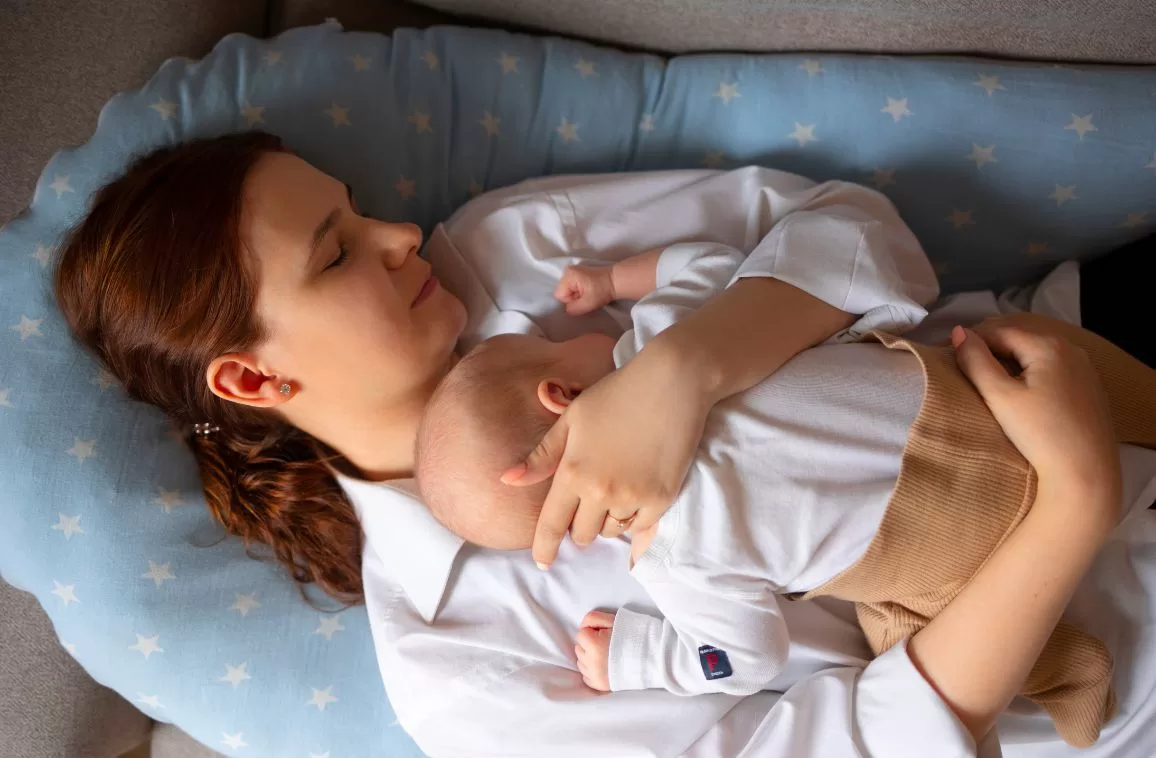
The journey of motherhood is beautiful, but the period after childbirth—known as the postpartum stage—can be challenging for many women. Your body goes through immense physical, emotional, and hormonal changes, and it needs time, care, and attention to fully heal. While caring for your newborn becomes your top priority, it’s equally important to care for yourself. Proper postpartum recovery ensures better long-term health, emotional balance, and a smoother transition into motherhood. Here are essential health tips for new moms to support healing, strength, and overall well-being.
Table of Contents
1. Rest Whenever Possible
Sleep becomes unpredictable once a baby arrives, but rest is crucial for healing. Your body has undergone weeks of pregnancy and labor, and now it needs recovery time. Try to sleep when your baby sleeps, even if it’s for short naps. Ask family members to help with household chores so you can focus on resting. Proper rest reduces exhaustion, supports emotional stability, and helps your body recover faster.
2. Nourish Your Body with Healthy Foods
A balanced diet is one of the most important elements of postpartum healing. Your body requires additional nutrients to recover, especially if you are breastfeeding. Choose foods rich in protein, iron, fiber, calcium, and omega-3 fatty acids. Include vegetables, fruits, whole grains, nuts, and dairy products in your meals. Hydrate well throughout the day to support milk production and maintain overall energy levels. Following a healthy lifestyle through proper nutrition ensures long-term strength and immunity.
Also read, Best Ways to Deal with Postpartum Hives.
3. Support Your Pelvic Floor
Pregnancy and childbirth put enormous pressure on the pelvic floor muscles. To restore strength, consider doing gentle pelvic floor exercises (Kegels), but only after consulting your doctor. Strengthening these muscles helps reduce the risk of urine leakage, improves posture, and supports abdominal healing.
4. Take Care of Your Mental Well-Being
Many new moms experience mood swings due to hormonal changes, lack of sleep, and the overwhelming responsibilities of caring for a newborn. It’s normal to feel emotional, anxious, or tired. However, if you experience intense sadness, disconnection, or anxiety for more than two weeks, you may be facing postpartum depression. Seeking support is a sign of strength, not weakness. Speak to your partner, family, or a healthcare professional. Prioritizing mental health during this stage is essential for your well-being and your baby’s comfort.

5. Be Gentle with Physical Activity
Your body needs time before returning to intense workouts. Start with gentle activities like walking, stretching, and light breathing exercises. These movements improve circulation, reduce stress, and help stabilize your energy. Avoid heavy lifting and strenuous exercises until your doctor permits you. Listen to your body—it will guide you.
6. Care for Your Incision or Stitches
If you had a C-section or episiotomy, proper wound care is essential. Keep the area clean and dry, follow your doctor’s instructions, and watch for signs of infection such as redness, swelling, fever, or pain. Avoid harsh soaps and tight clothing around the incision. Healing takes time, so avoid rushing the process.
7. Stay Hydrated and Maintain Good Breast Care
Breastfeeding can be both rewarding and challenging. Drink plenty of water, as nursing increases your body’s hydration needs. If you experience soreness, cracked nipples, or engorgement, consult a lactation expert or use warm compresses for relief. Proper hydration also improves digestion and overall wellness.
8. Accept Help When Needed
Postpartum recovery becomes easier when you have support. Allow friends or family to help with cooking, cleaning, or babysitting. Delegating tasks lets you focus on rest, healing, and bonding with your baby. You don’t have to do everything alone.
9. Practice Kindness Toward Yourself
Your body has achieved something incredible. Instead of judging your appearance or energy levels, appreciate the strength that brought your baby into the world. Healing looks different for everyone—there is no timeline. Celebrate little progress and follow your body’s pace.
Conclusion
The postpartum period is a delicate and transformative phase. Prioritizing postpartum recovery, emotional stability, and a healthy lifestyle helps new moms regain strength and confidence. With proper rest, nutrition, support, and attention to mental health, you can navigate postpartum changes with balance and positivity. Remember, taking care of yourself is the first step toward taking care of your baby.