

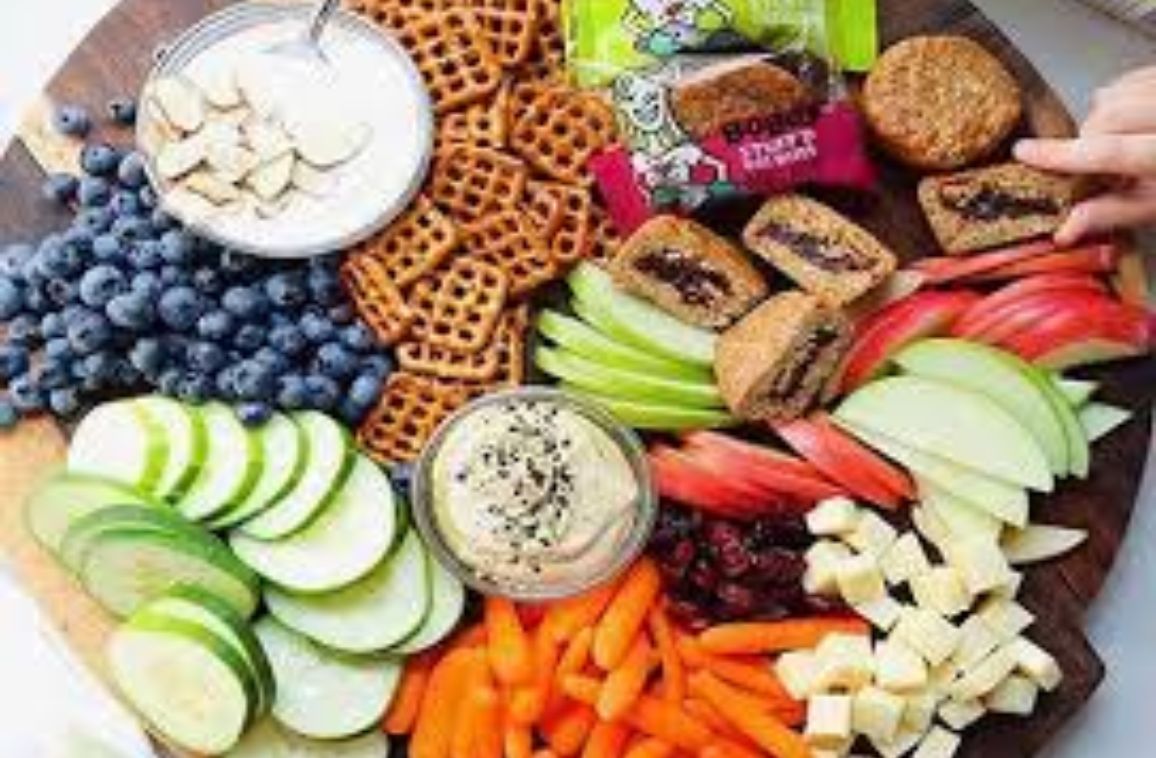
Snacking often gets a bad reputation, but when done right, it plays a powerful role in maintaining energy, focus, and overall health. Choosing smart snacks helps stabilize blood sugar, prevents overeating at meals, and supports a healthy lifestyle. The key is selecting foods that are nutritious, balanced, and easy to prepare. Below are practical and healthy snacking ideas explained in clear points to keep you energized throughout the day.
Table of Contents
1. Understand the Importance of Healthy Snacking
Healthy snacks provide your body with steady fuel between meals. Long gaps without food can lead to fatigue, irritability, and unhealthy cravings. Smart snacking supports metabolism, improves concentration, and keeps energy levels consistent. Instead of processed foods high in sugar or salt, choosing wholesome options promotes better digestion and long-lasting vitality.
2. Combine Protein with Carbohydrates
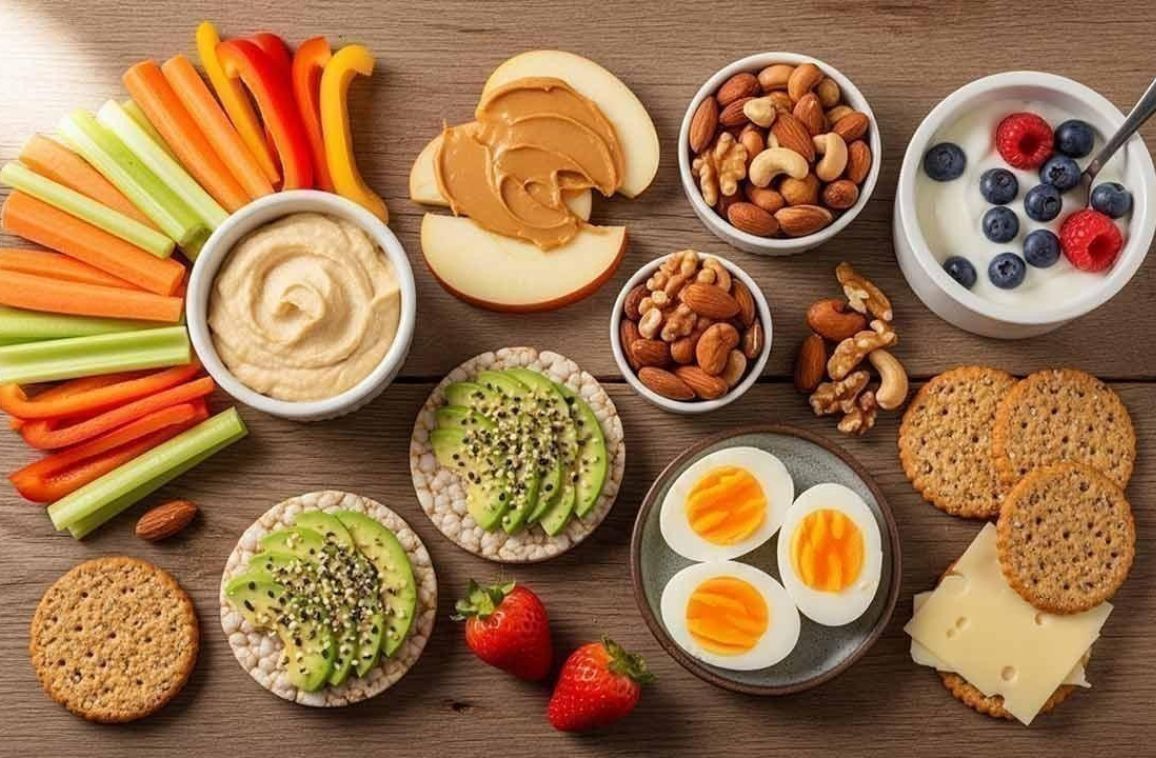
One of the best snacking rules is pairing protein with complex carbohydrates. This combination slows digestion and provides sustained energy. Examples include apple slices with peanut butter, whole grain crackers with hummus, or yogurt with fruit. Protein supports muscle health, while carbohydrates provide quick fuel, making this balance essential for healthy snacking.
3. Choose Whole Foods Over Packaged Snacks
Whole foods are naturally rich in nutrients and free from unnecessary additives. Fresh fruits, vegetables, nuts, and seeds are excellent snack choices. They provide vitamins, minerals, and fiber that support digestion and energy. Replacing packaged snacks with whole foods is a simple step toward better health and improved daily performance.
4. Keep Healthy Snacks Easily Accessible
Busy schedules often lead to unhealthy snacking choices. Preparing snacks in advance helps avoid this problem. Keep cut fruits, roasted nuts, boiled eggs, or homemade energy bars ready at home or work. When healthy options are within reach, it becomes easier to maintain a balanced diet and resist junk food temptations.
5. Include Fiber for Lasting Fullness
Fiber plays an important role in keeping you full and energized. Snacks high in fiber slow digestion and prevent sudden energy crashes. Foods like oats, chia seeds, berries, popcorn, and vegetables are excellent sources. Fiber-rich snacks also support gut health and improve overall digestion.
6. Smart Snacking for Work and Office Hours
Office environments often encourage mindless eating. Choosing nutritious snacks helps improve productivity and focus. Trail mix with nuts and dried fruits, yogurt cups, vegetable sticks with dip, or whole-grain toast are ideal office snacks. These options support steady energy without causing sluggishness during work hours.
Also read, How to Reduce Sugar Cravings Naturally!
7. Healthy Snacking for Fitness and Physical Activity
Snacks are especially important before and after physical activity. Pre-workout snacks like bananas or dates provide quick energy, while post-workout snacks with protein help muscle recovery. Cottage cheese with fruit, protein smoothies, or nuts are effective choices. Proper snacking supports fitness goals and prevents exhaustion.
8. Hydration Matters Alongside Snacking
Sometimes fatigue is caused by dehydration rather than hunger. Drinking enough water throughout the day is essential. Pairing snacks with hydration improves nutrient absorption and energy levels. Coconut water, herbal teas, or plain water complement healthy snacks and support overall wellness.
9. Control Portion Sizes Mindfully
Even healthy snacks should be eaten in moderation. Overeating can lead to unnecessary calorie intake. Use small bowls or containers to control portions. Listening to hunger cues helps you snack only when needed. Mindful eating encourages better digestion and prevents emotional eating habits.
10. Healthy Sweet Snack Alternatives
Cravings for sweets are common, but they can be managed wisely. Choose natural sweet snacks like fruits, dark chocolate in small amounts, or yogurt with honey. These options satisfy cravings while providing nutrients. Avoid refined sugars that cause energy spikes followed by crashes.
11. Snack Timing for Maximum Energy
Timing your snacks correctly is just as important as choosing the right foods. Mid-morning and mid-afternoon are ideal times to snack, as energy levels often dip during these periods. Eating small, balanced snacks at the right time prevents overeating during meals and keeps blood sugar levels stable. Planned snacking supports better focus and sustained productivity throughout the day.
Conclusion
Healthy snacking is a simple yet powerful habit that supports energy, focus, and overall well-being. By choosing whole foods, balancing nutrients, staying hydrated, and practicing portion control, you can maintain consistent energy levels throughout the day. Incorporating these healthy snacking ideas into your routine helps build a sustainable and energized lifestyle. Consistency is key, and even small improvements in snack choices can lead to long-term health benefits. With thoughtful planning, mindful eating, and awareness of your body’s needs, snacking becomes a positive step toward better nutrition, improved performance, and a healthier daily routine that supports energy, focus, motivation, immunity, digestion, and long-term wellness goals. These habits encourage consistency, reduce cravings, support metabolism, and help you feel confident, active, and energized during demanding days and busy professional schedules and routines daily.